Image source: Bing (Web (fair-use with source credit))
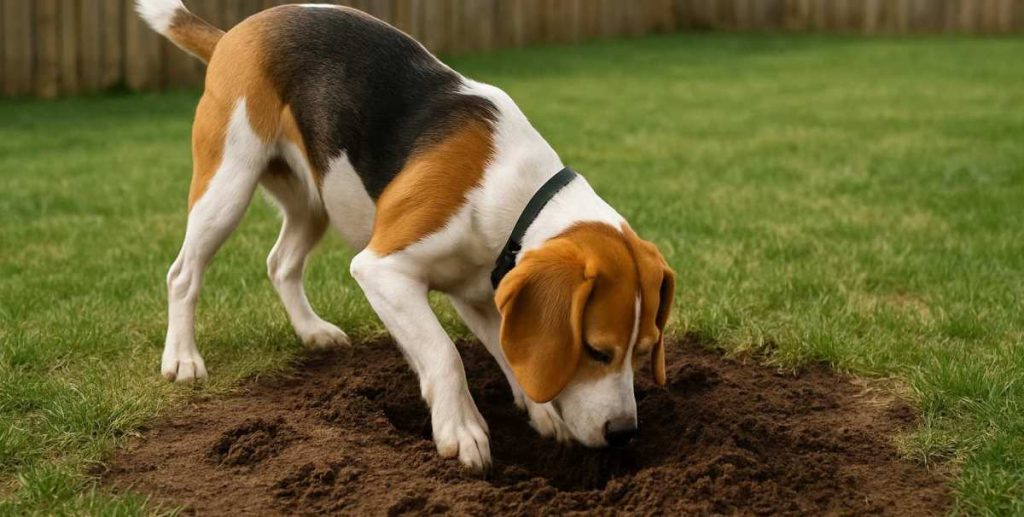
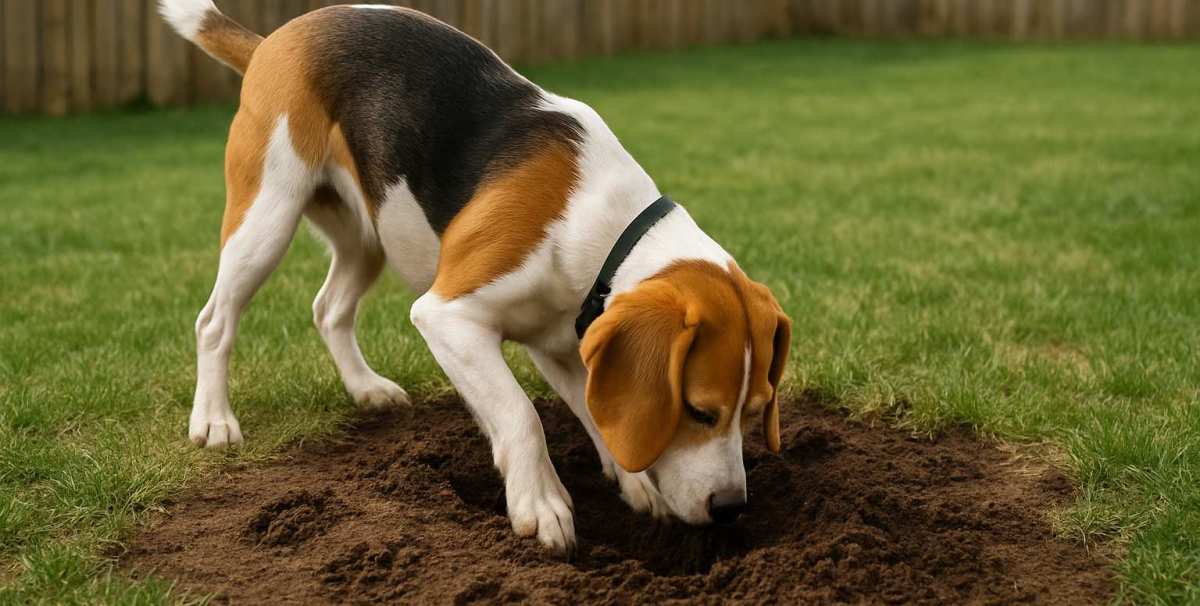
If you've ever watched your dog tear up a patch of lawn, snout-first, you've probably wondered: do dogs eat grubs, and is it actually safe? The short answer is yes, most dogs will happily eat grubs they find in the soil, and in small numbers, common lawn grubs aren't toxic. But the full picture is more complicated than a simple yes or no.
The real danger isn't usually the grub itself. It's what's ON the grub, what species it is, and how many your dog just swallowed. Per ASPCA Animal Poison Control data, the majority of grub-related calls involve pesticide exposure rather than the insect alone.
Let's walk through what you actually need to know.
Quick Answer
Dogs do eat grubs, and most common lawn grubs are not toxic in small quantities. The bigger risks are pesticides on treated lawns, intestinal blockages from eating too many, and parasite transmission from contaminated soil. Watch for vomiting, diarrhea, or lethargy within 24 hours.
Call your vet if symptoms appear or if you know your lawn was recently chemically treated.
Why Dogs Eat Grubs (And Why It's Not Always Safe)
Dogs are natural scavengers. That instinct to root through soil and snap up wriggling larvae is hardwired, not a behavioral problem. Grubs are packed with protein and fat, roughly 15 to 25% protein by dry weight depending on species, which makes them genuinely appealing to a dog's nose and palate.
The problem is that your dog doesn't know the difference between a harmless white grub and one coated in commercial insecticide. A dog foraging in a treated lawn is essentially eating whatever chemicals were applied to that soil weeks or months earlier. Some organophosphate-based lawn treatments remain active in the top layer of soil for extended periods.
There's also the species issue. Most grubs dogs encounter are scarab beetle larvae, the classic C-shaped white grubs with brown heads. These are generally low-risk in small numbers.
But not every larva in your yard belongs to a harmless species, and some can cause more significant gastrointestinal irritation.
What Happens When a Dog Eats Grubs
In most cases, a dog that eats a few grubs will be perfectly fine. The dog's digestive system handles insect matter without much trouble. The chitin in a grub's exoskeleton is partially digestible, and the soft body breaks down quickly in stomach acid.
The trouble starts when quantity or contamination enters the picture. A dog that eats a large number of grubs in one session can develop gastroenteritis, vomiting, diarrhea, and abdominal discomfort. The exoskeletons, while partially digestible, can irritate the stomach lining in bulk.
If the grubs came from a lawn treated with chemical pesticides, the dog may show signs of toxicity. These signs can include drooling, tremors, dilated pupils, and in severe cases, seizures. The onset is typically within a few hours but can be delayed up to 24 hours depending on the chemical involved.
Parasite transmission is another concern. Soil-dwelling grubs can carry roundworm eggs or other parasites. A dog that regularly eats grubs from contaminated soil may be at higher risk for intestinal parasites over time.
Which Grubs Are Dangerous and Which Aren't
Not every grub poses the same level of risk. Here's a breakdown of the most common types dogs encounter:
| Grub Species | Appearance | Risk Level | Notes |
|---|---|---|---|
| Japanese beetle larva | Cream-colored, C-shaped, brown head, up to 1 inch | Low (chemical-free) | Most common lawn grub in the eastern US |
| European chafer larva | Similar to Japanese beetle, slightly larger | Low (chemical-free) | Common in northern US and UK |
| May/June beetle larva | Larger, up to 2 inches, creamy white | Low to moderate | Bigger size means higher blockage risk in quantity |
| Black vine weevil larva | Smaller, legless, white with brown head | Low | Common in compost and potted plants |
| Masked chafer larva | Standard white grub, medium size | Low (chemical-free) | Widespread across the US |

Image source: Bing (Web (fair-use with source credit))
The species itself is rarely the primary danger. The real variable is what's in the soil around them. A grub from an organic, untreated lawn is a very different proposition than one from a yard treated with imidacloprid or carbaryl.
If you can't identify the grub species, don't panic. Focus instead on whether your lawn has been chemically treated and how many your dog consumed.
The Real Risks: Pesticides, Parasites, and Blockages
Let's break down the three main danger categories so you know exactly what to watch for.
Pesticide exposure is the most serious and most common risk. Many commercial lawn grub treatments use systemic insecticides that persist in soil. If your dog is eating grubs from a treated lawn, they're ingesting whatever residue remains on and inside those larvae.
Symptoms of pesticide toxicity include excessive drooling, vomiting, diarrhea, muscle tremors, difficulty breathing, and in severe cases, seizures. The ASPCA Animal Poison Control Center handles thousands of pesticide exposure cases annually, and lawn treatment chemicals are a leading cause.
Intestinal blockage is less common but worth knowing about. A dog that gorges on grubs, especially larger species, can develop a partial or complete blockage in the stomach or intestines. This is more likely in smaller dogs or puppies.
Signs include repeated vomiting, refusal to eat, abdominal pain, and absence of bowel movements. This is a veterinary emergency.
Parasite transmission is a longer-term concern. Grubs live in soil that may contain roundworm eggs, hookworm larvae, or other parasites. A dog that regularly eats grubs is repeatedly exposing itself to these parasites.
Routine fecal testing at your vet becomes even more important if your dog is a habitual grub-eater.
Signs Your Dog Ate Something Harmful
Most dogs who eat a few grubs show zero symptoms. But you should monitor your dog closely for 24 hours after you know or suspect they've been eating grubs, especially from an untreated or unknown lawn.
Watch for these warning signs:
- Vomiting or retching, especially repeated episodes
- Diarrhea, particularly if it contains blood or mucus
- Excessive drooling or foaming at the mouth
- Lethargy or unusual weakness
- Loss of appetite lasting more than one meal
- Abdominal pain, shown by a hunched posture or sensitivity when touched
- Muscle tremors or uncoordinated movement
- Dilated pupils or unusual eye movements
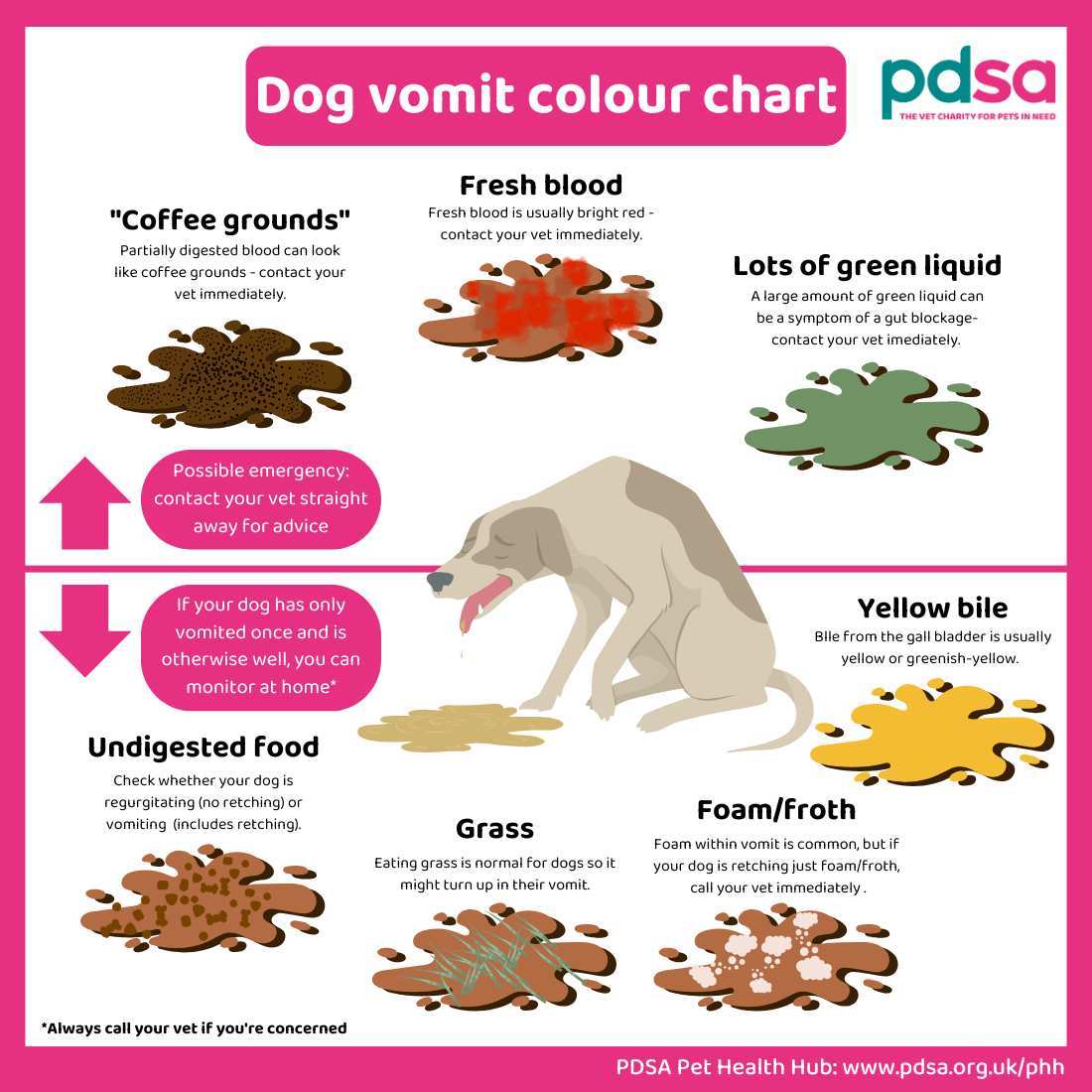
Image source: Bing (Web (fair-use with source credit))
If your dog shows any of the neurological signs, tremors, seizures, or difficulty breathing, that's an emergency. Don't wait to see if it gets better. Get to a vet immediately.
Mild stomach upset, a single episode of vomiting or loose stool, warrants a call to your vet's office for guidance but isn't necessarily an emergency. When in doubt, call.
What to Do Right After Your Dog Eats Grubs
First, don't panic. Most dogs handle a few grubs without any issue. Your job right now is to gather information and monitor.
Start by figuring out how many grubs your dog likely ate. A single grub or two is very different from a dog that tore up a lawn section and swallowed a dozen. If you can, check the area where your dog was digging.
Count the remaining grubs in the exposed soil to estimate how many are missing.
Next, determine whether your lawn or any neighboring lawns have been treated with pesticides. Check your own records first. If you use a lawn service, call them and ask what products were applied and when.
If you rent, ask your landlord or property manager. This single piece of information determines your next steps more than anything else.
If the lawn is chemical-free and your dog only ate a small number of grubs, monitor at home. Offer fresh water and stick to their normal feeding schedule. Watch for the symptoms we covered earlier over the next 24 hours.
If you know or suspect pesticide exposure, call your vet or the ASPCA Animal Poison Control Center before symptoms appear. Early guidance can make a significant difference in outcome.
When to Call the Vet Immediately
Some situations don't warrant a wait-and-see approach. Get veterinary help right away if:
- Your dog ate grubs from a lawn treated with pesticides within the last 30 days
- Your dog is showing neurological symptoms like tremors, seizures, or disorientation
- Your dog is a small breed or puppy and ate a large quantity of grubs
- Vomiting persists beyond two episodes in a short window
- Your dog refuses to drink water or can't keep it down
- You notice blood in vomit or stool
When you call, have this information ready: the approximate number of grubs consumed, the time of ingestion, any known pesticide products used on the lawn, and your dog's weight and breed. This helps the vet assess risk quickly.
The ASPCA Animal Poison Control Center charges a consultation fee but provides expert toxicology guidance when your own vet isn't immediately available. Pet Poison Helpline is another option. Save one of these numbers in your phone now, before you need it.
Safer Ways to Satisfy Your Dog's Foraging Instinct
Your dog wants to dig and forage. That instinct isn't going away, so giving them a safer outlet makes sense.
Controlled insect feeding is one option gaining traction. Freeze-dried whole grubs, mealworms, and black soldier fly larvae are sold as dog treats and training rewards. These are raised in controlled environments, free from pesticides and parasites.
They give your dog the same nutritional profile as lawn grubs without the risks.
Snuffle mats and foraging toys redirect the digging impulse indoors. These fabric mats hide kibble or treats among folds of material, forcing your dog to root and sniff to find their reward. They're especially effective for dogs that dig out of boredom rather than hunger.
Designated digging zones work well for outdoor dogs. Set aside a sandbox or specific patch of soft soil where digging is allowed. Bury safe toys or treats there to encourage your dog to dig in that spot instead of your lawn.
This won't eliminate grub-eating entirely, but it gives you more control over where your dog forages.
Increased exercise and mental stimulation reduces compulsive foraging behavior. A dog that's physically tired and mentally engaged is less likely to spend an hour excavating your flower beds.
Insect Protein in Commercial Dog Food vs. Lawn Grubs
The insect protein trend in pet food has grown significantly, with several brands now offering formulas based on black soldier fly larvae or cricket meal. These products are nutritionally consistent, tested for contaminants, and formulated to meet AAFCO nutritional standards.
Lawn grubs are none of those things. Their nutritional content varies by species, soil quality, and season. They may carry parasites, pesticide residue, or bacteria.
Feeding your dog lawn grubs is essentially feeding them an unregulated, untested protein source.
That said, the nutritional argument for insect protein is real. Black soldier fly larvae contain roughly 40 to 44% protein and 25 to 30% fat on a dry matter basis, with a solid amino acid profile. Several commercial dog food brands have incorporated insect protein as a primary ingredient, and early research from university animal science departments suggests it's highly digestible for most dogs.
If you're interested in the nutritional benefits your dog gets from eating grubs, a commercial insect-based treat or food is the safer way to deliver those same nutrients. You get the protein and fat without the unknowns.
How to Make Your Yard Safer for a Grub-Eating Dog
If your dog is a committed grub hunter, making your yard safer is a practical priority.
Switch to pet-safe grub control. Beneficial nematodes, specifically Heterorhabditis bacteriophora, are microscopic organisms that target grubs without harming pets, people, or beneficial insects. They're applied to soil and actively seek out grub larvae. Milky spore powder is another organic option that targets Japanese beetle grubs specifically, though it works more slowly.
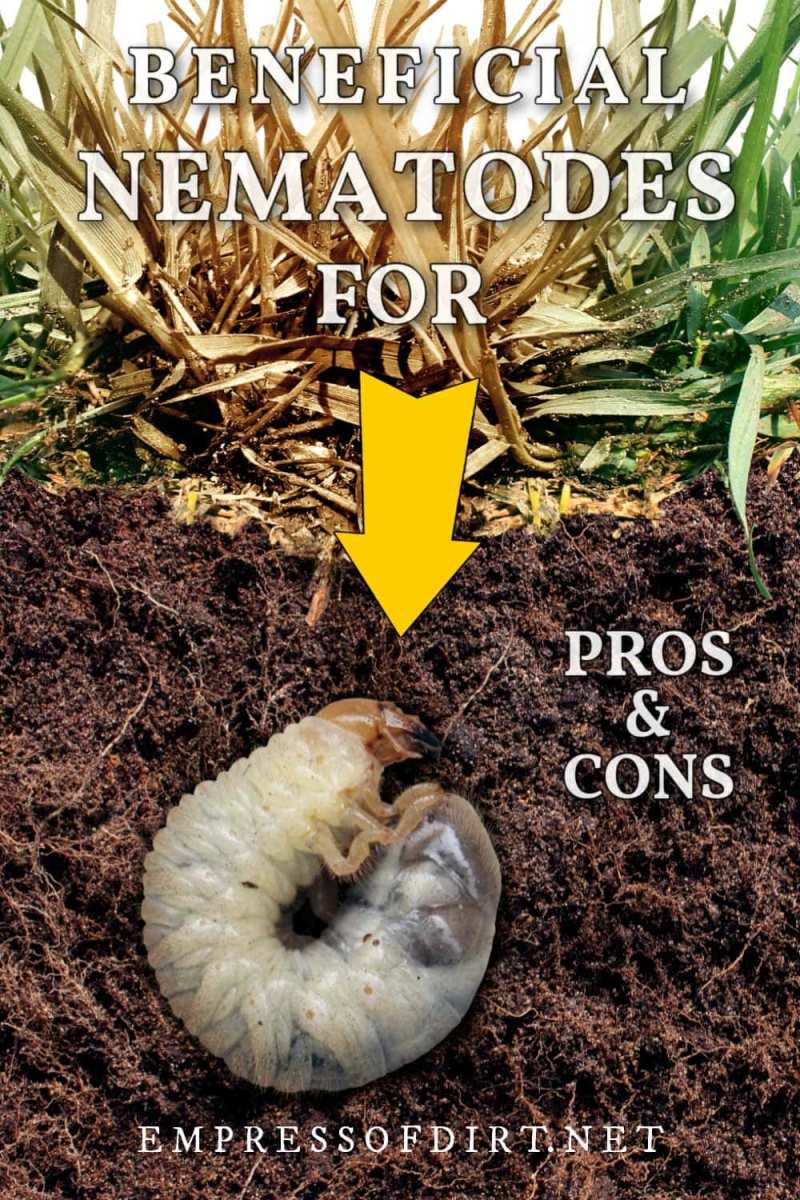
Image source: Bing (Web (fair-use with source credit))
Avoid systemic insecticides entirely if your dog forages in the yard. Products containing imidacloprid, chlorantraniliprole, or carbaryl pose the highest risk to dogs that eat grubs. Even products labeled "pet safe" after drying can be problematic if your dog is eating the grubs that absorbed the chemical.
Maintain your lawn to reduce grub populations naturally. Grubs thrive in thick thatch and overwatered soil. Aerate your lawn annually, avoid excessive irrigation, and mow at the appropriate height for your grass type. A healthy lawn with fewer grubs means fewer opportunities for your dog to snack.
Supervise outdoor time during peak grub season, late summer through early fall, when larvae are closest to the surface and most accessible. This is when dogs do the most damage to lawns and consume the most grubs.
Common Mistakes Owners Make With Grub-Eating Dogs
The most common mistake is assuming all grubs are the same. Owners hear that grubs aren't toxic and stop paying attention. They don't consider pesticide exposure, species differences, or the cumulative effect of regular grub consumption over months.
Another frequent error is waiting too long to call the vet after known pesticide exposure. Some owners monitor at home for hours while their dog's condition worsens. Early intervention matters significantly with chemical toxicity.
If you know the lawn was treated, don't wait for symptoms.
Overreacting to a single grub ingestion is the opposite mistake but less dangerous. A healthy adult dog that eats one or two grubs from a chemical-free lawn is almost certainly fine. Inducing vomiting at home without veterinary guidance can cause more harm than the grubs themselves.
Ignoring the underlying behavior is a missed opportunity. If your dog is regularly digging up and eating grubs, that's a foraging habit worth redirecting. Left unchecked, it increases the odds of a bad outcome over time, especially if lawn treatments change or new chemicals are applied.
Finally, skipping routine parasite screening is a quiet risk. Dogs that regularly eat soil-dwelling insects should have fecal tests at least twice a year. Many intestinal parasites are asymptomatic in early stages but cause serious problems if left untreated.
FAQs About Dogs and Grubs
Can puppies eat grubs?
Puppies are more vulnerable than adult dogs due to their smaller size and developing digestive systems. A few grubs from a chemical-free lawn are unlikely to cause serious harm, but puppies are at higher risk for intestinal blockages and parasite infections. Supervise puppies closely outdoors and discourage grub-eating early.
How many grubs are too many for a dog?
There's no universal threshold. A large dog might eat five or six small grubs without issue, while the same number could cause problems for a toy breed. The species, the dog's size, and whether the grubs were chemically contaminated all factor in.
When in doubt, call your vet and describe the situation.
Do grubs have any nutritional value for dogs?
Yes, grubs provide protein, fat, and some micronutrients. The protein content ranges from roughly 15 to 25% by dry weight depending on species. The fat content supports skin and coat health.
However, commercial insect-based dog treats deliver these same nutrients without the risks of lawn foraging.
Can dogs get worms from eating grubs?
Grubs themselves aren't a direct source of worms, but they live in soil that may contain roundworm eggs or hookworm larvae. A dog that eats grubs is also ingesting surrounding soil, which is where the parasite risk comes from. Regular deworming and fecal testing are important for any dog that forages outdoors.
What should I do if my dog eats grubs from a treated lawn?
Call your vet or a pet poison helpline immediately, even if your dog seems fine. Note the product name if you know it, the approximate amount of time since application, and how many grubs your dog likely consumed. Do not wait for symptoms to appear before seeking guidance.
The Bottom Line: Should You Let Your Dog Eat Grubs?
Dogs eat grubs because it's natural, and in most cases, a few grubs from a chemical-free lawn won't cause harm. That's the honest starting point.
But "won't cause harm" depends entirely on conditions you need to verify. Is your lawn free of systemic insecticides? Can you confirm what your neighbors or lawn service have applied?
Are you keeping up with parasite screening? If you can't answer yes to those, letting your dog eat grubs is a gamble.
The safest approach is to redirect the foraging instinct toward controlled alternatives. Commercial insect-based treats, foraging toys, and designated digging zones give your dog what they're looking for without the unknowns. If your dog does eat grubs, monitor closely for 24 hours and have your vet's number ready.
You don't need to treat every grub like a crisis. You just need to know what's in your soil and make informed decisions based on that.