
Deep watering grass is crucial for mature turf, encouraging roots to grow deeper for better drought resistance and overall health. Instead of frequent, shallow watering, aim for infrequent, deep soakings. This approach builds a stronger, more sustainable lawn.
We all want that lush, green carpet of grass in our yards. It’s a sign of a healthy, well-maintained lawn, and it’s something many homeowners strive for. But achieving and maintaining that perfect lawn isn’t just about mowing at the right height or fertilizing at the right times. One of the most critical, yet often misunderstood, aspects of lawn care is how we water our grass. For mature turf, especially, the science of watering is key to its long-term health and vigor.
Many of us have a habit of watering our lawns frequently, giving them a quick sprinkle every day or every other day. While this might seem like we’re being attentive, it can actually do more harm than good to established grass. Shallow watering leads to shallow roots, making your lawn vulnerable. The real secret to a strong, resilient, and beautiful mature lawn lies in understanding and implementing deep watering. Let’s dive into the science behind it.
Key Takeaways
- Deeper Roots: Deep watering encourages grass roots to grow further into the soil, making the turf more resilient to drought and heat stress.
- Less Frequent Watering: Mature lawns benefit more from watering less often but for longer durations, allowing water to penetrate deeply.
- Watering Frequency Depends on Factors: The exact frequency and duration are influenced by grass type, soil type, climate, and season.
- Signs of Underwatering: Wilting, a bluish-gray tint, and footprints that remain visible on the grass are indicators the lawn needs water.
- Proper Drainage is Key: Ensure your soil has good drainage to prevent waterlogging, which can harm grass roots and encourage disease.
- Timing Matters: Watering in the early morning is generally best to minimize evaporation and prevent fungal diseases.
- Observe Your Lawn: Regular observation of your grass will help you understand its specific watering needs.
Quick Answers to Common Questions
Why is deep watering important for mature grass?
Deep watering encourages grass roots to grow deeper into the soil. This makes the turf more resilient to drought, heat stress, and foot traffic, leading to a healthier and more robust lawn.
How often should I deep water my lawn?
Instead of watering frequently, aim for less frequent, deep watering sessions. This could mean watering for a longer duration once or twice a week, depending on factors like grass type, soil, climate, and season.
How can I tell if I’m watering my grass deeply enough?
After watering, use a trowel or screwdriver to check soil moisture depth. It should be easy to push in at least 4-6 inches. If resistance is met beyond an inch or two, you’re likely not watering deeply enough.
What are the signs that my lawn needs water?
Look for a dull, bluish-gray color, wilting grass blades, and footprints that remain visible on the lawn. These are indicators that the grass is stressed from a lack of moisture.
Does soil type affect how I should deep water?
Yes, soil type significantly impacts watering. Sandy soils drain quickly and require more frequent watering (though still deep), while clay soils hold water longer and need less frequent watering.
📑 Table of Contents
The Science Behind Deep Watering
So, what exactly is deep watering, and why is it so important for mature grass? At its core, deep watering means applying enough water to moisten the soil to a significant depth, typically 4 to 6 inches for most turfgrasses. This is in contrast to light, frequent watering, which only wets the top inch or so of soil.
Think of it like this: if you only ever give a plant a little sip of water every day, its roots will stay close to the surface, where the water is. But if you give it a good, deep drink occasionally, the roots will have the incentive to grow deeper into the soil, seeking out that moisture. This is exactly what happens with your lawn.
Mature turfgrass has a well-established root system. Deep watering encourages these roots to extend further down into the soil. This has several significant benefits. Firstly, it makes the grass much more resistant to drought. When the surface soil dries out, deeper roots can still access moisture, keeping the grass alive and healthy. Secondly, deep-rooted grass is more tolerant of heat stress and foot traffic. It’s generally a more robust and forgiving plant.
How Deep Should You Water?
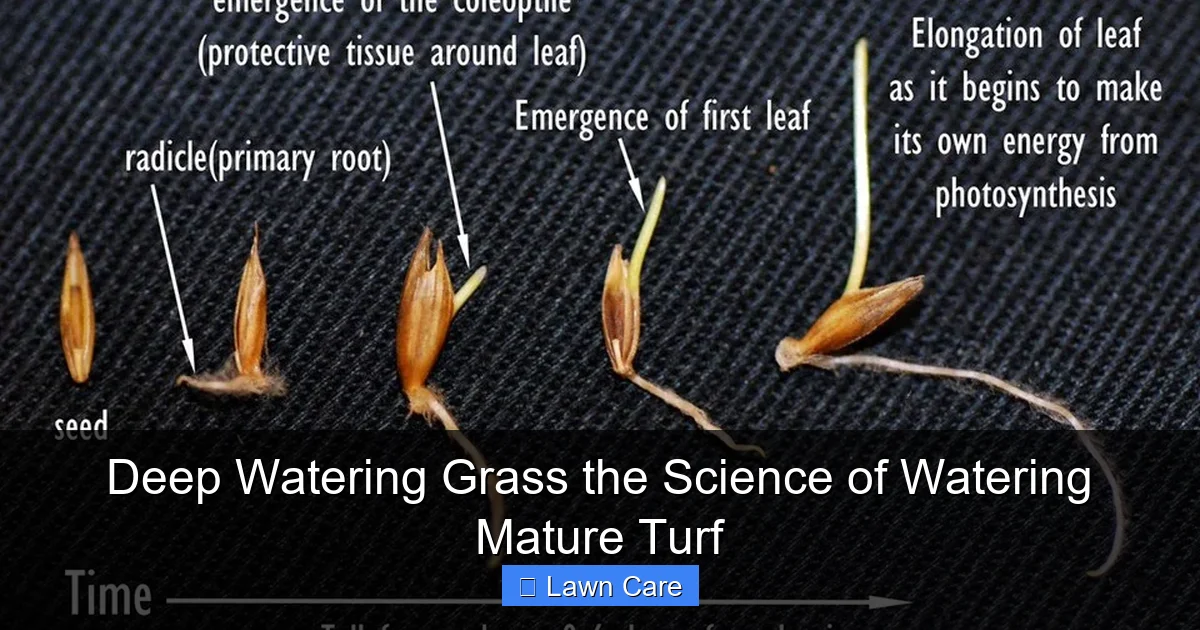
Visual guide about Deep Watering Grass the Science of Watering Mature Turf
Image source: turf.purdue.edu
The ideal watering depth varies slightly depending on the type of grass you have. Most common cool-season grasses, like fescues and bluegrasses, benefit from root systems that go 4 to 6 inches deep. Warm-season grasses, such as Bermuda or Zoysia, can develop even deeper root systems, sometimes reaching 2 to 3 feet or more in ideal conditions. For mature turf, aiming for that 4-6 inch depth consistently is a great target.
To check how deep your water is penetrating, you can use a simple tool. After watering, take a trowel or a screwdriver and push it into the soil. It should go in easily for at least 4-6 inches. If it’s hard to push in beyond an inch or two, you’re likely not watering deeply enough.
How to Implement Deep Watering
The key to deep watering is to water less frequently but for longer periods. Instead of watering for 15-20 minutes every day, you might water for 45-60 minutes, or even longer, once or twice a week, depending on conditions. The exact frequency will depend on several factors, which we’ll discuss next.
Watering Frequency Factors
* Grass Type: Some grasses are naturally more drought-tolerant than others. For example, Bermuda grass has a deep root system and can withstand longer periods between watering than, say, a fine fescue.
* Soil Type: Sandy soils drain quickly and require more frequent watering, though you might still opt for longer durations when you do water. Clay soils hold water longer, so you’ll need to water less often.
* Climate and Season: Hot, dry, and windy weather will cause water to evaporate faster and increase the grass’s need for water. In cooler, humid, or rainy seasons, your lawn will require significantly less watering.
* Sun Exposure: Lawns in full sun will need more water than those in shady areas.
Practical Tips for Deep Watering
* **Observe your lawn:** Learn to read the signs your grass is giving you. Wilting, a dull or bluish-gray color, and footprints that stay pressed down are all indicators that your lawn is thirsty.
* **Adjust based on weather:** If you’ve had a good rain, skip a scheduled watering. If it’s been unusually hot and dry, you might need to water more frequently, but still aim for depth.
* **Calibrate your sprinklers:** Understand how much water your sprinklers are putting out. Place several empty cans or containers around your lawn and run your sprinklers for a set amount of time. Measure the water in the cans to determine your sprinkler’s output rate. This will help you know how long to run them to achieve the desired depth.
* **Water early in the morning:** The best time to water your grass is generally between 4 AM and 10 AM. This minimizes evaporation from sun and wind, and it gives the grass blades time to dry off before nightfall, reducing the risk of fungal diseases. Watering in the middle of the day can lead to significant water loss through evaporation, and watering late at night can encourage disease.
* **Avoid watering during the hottest part of the day:** While watering grass in the sun might seem like it makes sense, it can actually be less efficient due to evaporation and can potentially scorch the blades if water droplets remain on the leaves.
Why Shallow Watering is Detrimental
Let’s be clear: frequently watering your mature lawn with just a little bit of water is a recipe for disaster. It trains your grass to rely on surface moisture. When the top layer of soil dries out, the grass wilts, turns brown, and becomes stressed. This makes it much more susceptible to pests and diseases.
Furthermore, shallow roots mean the grass can’t anchor itself as firmly. This can lead to increased soil erosion, especially on slopes. It also makes the grass less able to take up nutrients from deeper soil layers. Over time, a shallowly watered lawn will look thinner, be prone to weeds, and simply won’t have the vibrant green color that deep-rooted grass possesses. If you’re struggling with weeds, a healthy, deeply watered lawn is often the best defense.
Recognizing When Your Lawn Needs Water
Knowing when to water is as important as knowing how to water. Your lawn will tell you when it’s thirsty if you know what to look for.
Common Signs of Thirst
* **Color Change:** Healthy grass is typically a vibrant green. When it starts to turn a dull, bluish-gray color, it’s a sign that the grass is stressed from lack of water.
* **Wilting:** Individual blades of grass will start to droop and curl inwards.
* **Footprint Test:** If you walk across your lawn and your footprints remain visible for a long time after you’ve stepped off, it indicates that the grass blades don’t have enough moisture to spring back. Healthy, well-hydrated grass will usually spring back quickly.
* **Slow Recovery After Mowing:** If your grass doesn’t “stand up” quickly after being mowed, it could be a sign of dehydration.
Remember, these are signs of *stress*. Ideally, you want to water *before* your lawn reaches this advanced stage of thirst. A good watering schedule, based on observation and the principles of deep watering, will prevent this extreme stress.
The Role of Soil Health and Drainage
Deep watering is incredibly effective, but it relies on your soil’s ability to accept and hold water. Compacted soil or soil with poor drainage can hinder the effectiveness of even the deepest watering.
Compacted Soil
Over time, foot traffic, machinery, and even rainfall can compact your soil. Compacted soil has small pore spaces, making it difficult for water and air to penetrate. This means your sprinklers might run for a long time, but the water just sits on the surface or runs off. Aerating your lawn, which involves creating small holes in the soil, can significantly improve water penetration and drainage. This is especially important for mature lawns that have been subjected to years of wear and tear.
Drainage
While you want your soil to hold moisture for your grass, you don’t want it to become waterlogged. Poor drainage can lead to root rot and fungal diseases. If you notice standing water on your lawn for extended periods after rain or watering, you might have drainage issues. Improving drainage might involve amending your soil with organic matter or, in severe cases, installing a drainage system.
Watering Considerations for Different Grass Types
While the principle of deep watering applies to most mature lawns, there are nuances for different grass types. Understanding these can help you fine-tune your watering strategy.
Cool-Season Grasses (e.g., Fescue, Kentucky Bluegrass, Ryegrass)
These grasses thrive in cooler climates and are typically dormant during hot summers. They generally need about 1 to 1.5 inches of water per week, applied in one or two deep watering sessions. During periods of extreme heat, they may require more frequent, though still deep, watering.
Warm-Season Grasses (e.g., Bermuda Grass, Zoysia Grass, St. Augustine Grass)
These grasses thrive in warmer climates and go dormant in the winter. They are often more drought-tolerant due to their deeper root systems. Bermuda grass, for instance, can develop extensive root systems that reach significant depths. They typically need about 1 inch of water per week, applied less frequently than cool-season grasses. St. Augustine grass, while a warm-season grass, can sometimes have shallower roots than Bermuda and might need slightly more attention during dry spells.
When in doubt about your specific grass type, research its ideal watering needs or consult a local lawn care professional. Understanding the different types of grass and choosing the right one for your climate is the first step to successful lawn care.
Conclusion
Deep watering is not just a technique; it’s a fundamental principle for building a healthy, resilient, and beautiful mature lawn. By encouraging roots to grow deeper, you equip your grass to withstand drought, heat, and other environmental stresses. It’s about watering smarter, not necessarily more often.
Remember to observe your lawn, understand your soil, and adjust your watering based on the specific conditions of your yard and your local climate. Moving away from frequent, shallow watering towards less frequent, deep watering sessions will transform your lawn, making it a more sustainable and less water-intensive landscape. Invest the time to water deeply, and you’ll reap the rewards of a truly thriving turf for years to come.
Frequently Asked Questions
How long should I run my sprinklers for deep watering?
The duration depends on your sprinkler system’s output and your soil type. Generally, aim for a longer watering period (e.g., 45-60 minutes or more) once or twice a week to saturate the soil to a depth of 4-6 inches.
What’s the best time of day to deep water my lawn?
The best time is early morning, between 4 AM and 10 AM. This minimizes water loss from evaporation and allows the grass to dry before nightfall, reducing the risk of fungal diseases.
Can deep watering lead to overwatering?
It’s possible, especially with clay soils or poor drainage. The key is to water deeply but less frequently, allowing the soil to dry out slightly between waterings. Always check soil moisture and observe your lawn for signs of stress.
How does deep watering help with drought tolerance?
By encouraging deeper root growth, your grass can access moisture further down in the soil profile when the surface dries out. This significantly improves its ability to survive and thrive during dry periods.
Is deep watering suitable for new grass seed?
No, deep watering is for mature turf. New grass seed requires frequent, light watering to keep the top layer of soil consistently moist until germination and establishment. Learn more about planting grass seed for optimal results.
What if I have a sloped lawn? How does deep watering apply?
On slopes, water may run off more easily. To achieve deep watering, you might need to water in shorter intervals, allowing water to soak in between bursts, or use a sprinkler system designed for slopes. Ensure your lawn is not excessively compacted, as this will worsen runoff.