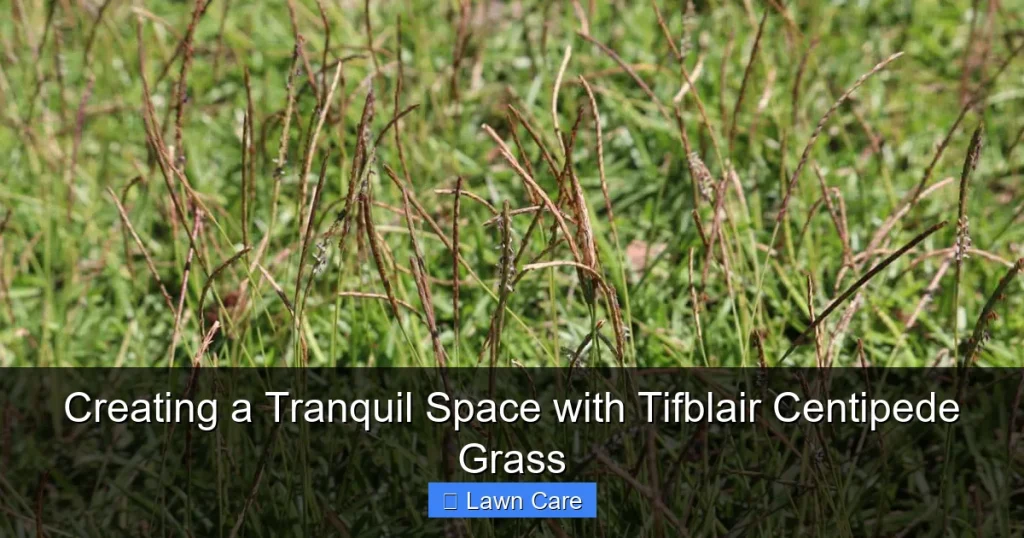
Transform your yard into a peaceful retreat with Tifblair Centipede grass. This low-maintenance grass offers a beautiful, soft texture and a rich green color, perfect for creating a tranquil outdoor space. With simple care, you can enjoy a consistently stunning lawn with minimal effort.
Have you ever dreamt of stepping out into your backyard and feeling an immediate sense of calm? A place where the soft green underfoot washes away the day’s stresses, and the gentle sway of grass blades invites quiet contemplation? Creating such a tranquil space might seem like a distant aspiration, but it’s more achievable than you think, especially with the right lawn. Enter Tifblair Centipede grass, a champion of low-maintenance beauty that can transform your outdoor area into a serene sanctuary.
Tifblair Centipede grass is renowned for its beautiful, fine-textured blades and its rich, emerald-green color. It forms a dense, uniform turf that looks and feels incredibly inviting. Unlike some fussier grass varieties that demand constant attention, Tifblair is a forgiving and resilient choice. It’s the kind of grass that lets you relax and enjoy your yard, rather than feeling like you’re constantly working on it. If you’re looking for a way to bring more peace and natural beauty into your life, your lawn could be the perfect starting point.
This article will guide you through everything you need to know to create and maintain a tranquil space with Tifblair Centipede grass. We’ll cover its unique benefits, how to establish it, and the simple care routines that will keep it looking its best, season after season. Get ready to embrace the serenity of a Tifblair Centipede lawn.
Key Takeaways
- Tifblair Centipede Grass is Ideal for Relaxation: Its fine texture and uniform appearance create a visually calming effect, contributing to a tranquil outdoor environment.
- Low Maintenance Champion: This grass variety requires less mowing, fertilizing, and watering compared to many other turf types, saving you time and effort.
- Adaptable to Various Conditions: While it thrives in full sun, Tifblair Centipede can tolerate some shade and is relatively drought-tolerant once established.
- Promotes a Lush, Green Carpet: It forms a dense, attractive turf that suppresses weeds and provides a soft surface for barefoot enjoyment.
- Simple Establishment: Tifblair Centipede grass can be established from sod, seed, or plugs, offering flexibility for different project needs.
- Proper Mowing is Key: Mowing at the correct height (around 1.5 to 2 inches) is crucial for maintaining its health and appearance.
- Seasonal Care is Minimal: Primarily focused on occasional fertilization and proper watering during establishment or extreme drought.
Quick Answers to Common Questions
What is the best time of year to plant Tifblair Centipede grass seed?
The best time to plant Tifblair Centipede grass seed is in late spring or early summer when soil temperatures are consistently warm, ideally between 70-85°F (21-29°C).
How often should I fertilize Tifblair Centipede grass?
Tifblair Centipede grass requires minimal fertilization. A single application of a slow-release, low-nitrogen fertilizer in late spring or early summer is usually sufficient. Over-fertilizing can be harmful.
Can Tifblair Centipede grass grow in shady areas?
While Tifblair Centipede grass prefers full sun, it can tolerate partial shade. However, its density and vigor may be reduced in heavily shaded areas.
What is the ideal mowing height for Tifblair Centipede grass?
The ideal mowing height for Tifblair Centipede grass is between 1.5 and 2 inches. Mowing at this height promotes a denser turf and helps the grass withstand stress.
Is Tifblair Centipede grass suitable for barefoot walking?
Yes, Tifblair Centipede grass has a fine texture that makes it very soft and pleasant for walking barefoot, contributing to its appeal for creating a tranquil space.
📑 Table of Contents
- Understanding the Serene Appeal of Tifblair Centipede Grass
- Establishing Your Tifblair Centipede Oasis
- Caring for Your Tifblair Centipede Lawn: Simple Steps to Serenity
- Dealing with Pests and Diseases: Maintaining Peace
- Maximizing Your Tranquil Space
- Seasonal Tips for Year-Round Serenity
- Conclusion: Embrace the Calm with Tifblair Centipede Grass
Understanding the Serene Appeal of Tifblair Centipede Grass
What makes Tifblair Centipede grass so special when it comes to creating a tranquil environment? It’s a combination of its aesthetic qualities and its easy-going nature. For starters, its color is a consistent, deep green that looks lush and healthy without needing excessive feeding. This visual appeal is a big part of what makes a lawn feel calming. A uniform, vibrant green acts as a natural stress reliever, a soft blanket for your senses.
Beyond its color, the texture of Tifblair Centipede grass is remarkably soft. This makes it a pleasure to walk on barefoot, adding to the sensory experience of relaxation. Imagine the feeling of cool, soft grass beneath your feet as you sip your morning coffee or enjoy an evening breeze. This inviting texture encourages you to connect with your outdoor space on a more intimate level, fostering a sense of peace.
Low Maintenance for Maximum Relaxation
One of the most significant contributions Tifblair Centipede grass makes to a tranquil space is its incredibly low maintenance requirements. This isn’t just about saving time; it’s about reducing stress. When your lawn demands less of your energy and attention, you have more time and mental space to simply enjoy it. Tifblair requires less frequent mowing than many other turf grasses. Its slow growth habit means you won’t be constantly battling overgrown blades.
Furthermore, Tifblair Centipede grass is not a heavy feeder. It thrives on moderate fertility, meaning you won’t need to apply fertilizers as often as you might with other grass types. This not only saves you money but also reduces the environmental impact and the worry associated with over-fertilizing. Similarly, it’s relatively drought-tolerant once established, meaning it can often bounce back after dry spells without constant watering. This resilience means less worry about wilting or browning during hot, dry periods, contributing to the overall peace of mind.
Establishing Your Tifblair Centipede Oasis
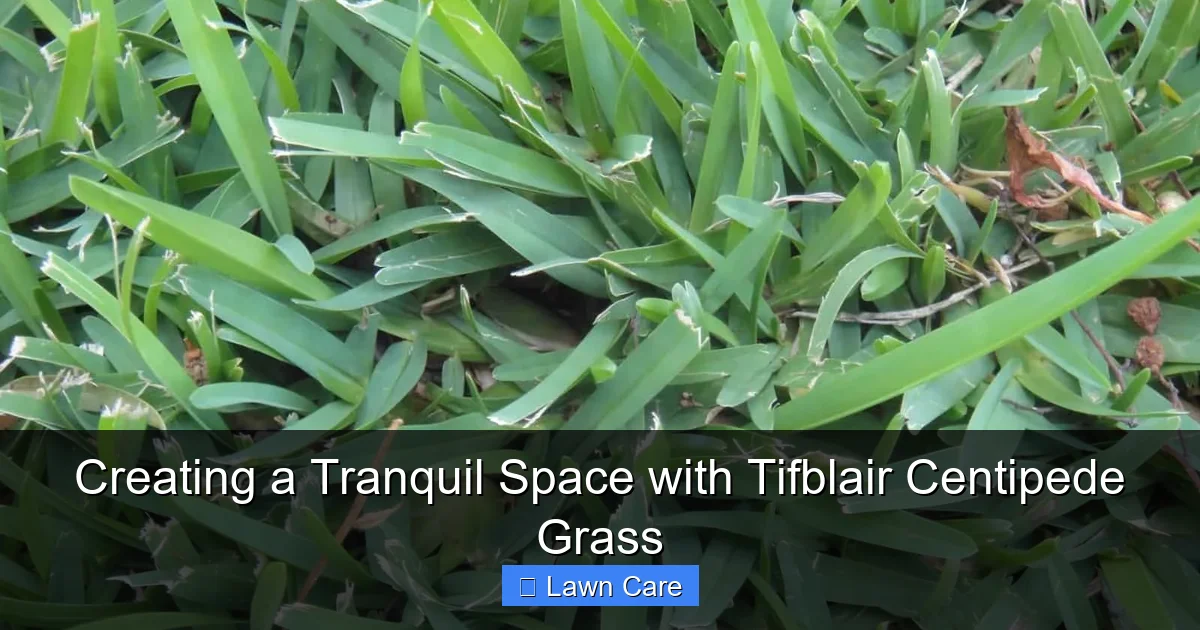
Visual guide about Creating a Tranquil Space with Tifblair Centipede Grass
Image source: planetnatural.com
Getting Tifblair Centipede grass established is the first step towards creating your tranquil haven. Fortunately, it’s a relatively straightforward process. You have a few options for establishment, each with its own advantages. Choosing the right method depends on your timeline, budget, and how quickly you want to see results.
Sodding for Instant Tranquility
If you’re looking for an almost immediate transformation, laying sod is the way to go. Sod is pre-grown grass that comes in rolls or sections. You can lay it directly onto your prepared soil, and within a few weeks, it will root and establish itself. This is the fastest way to achieve that lush, green carpet of Tifblair Centipede grass.
When sodding, it’s crucial to prepare your soil properly. This involves removing any existing weeds or grass, leveling the area, and ensuring good soil drainage. Once the sod is laid, regular watering is essential for the first few weeks to help it establish its root system. While more expensive upfront, sod offers the quickest path to enjoying your tranquil space.
Seeding for a Budget-Friendly Approach
Establishing Tifblair Centipede grass from seed is a more economical option, though it takes longer to achieve a mature lawn. You’ll need to ensure you purchase high-quality Tifblair seed. The best time to sow centipede grass seed is in late spring or early summer when soil temperatures are consistently warm.
Prepare the soil as you would for sodding, ensuring it’s free of debris and well-raked. Sow the seed evenly over the surface and lightly rake it in. Keep the seedbed consistently moist until germination occurs, which can take a few weeks. Patience is key with seeding, but the reward is a beautiful, cost-effective lawn.
Plugging for Targeted Establishment
Another method is using plugs, which are small pieces of sod containing roots and grass. You can buy centipede grass plugs and plant them into your prepared soil. This method is excellent for filling in existing lawns or for smaller areas. Space the plugs according to recommendations and keep them well-watered. Plugs take longer to fill in than sod but are more visually appealing than seed over time.
Caring for Your Tifblair Centipede Lawn: Simple Steps to Serenity
Once your Tifblair Centipede grass is established, the care routine is refreshingly simple. The goal is to maintain its health and appearance with minimal intervention, allowing you to truly relax.
Mowing for a Perfect Finish
Tifblair Centipede grass prefers to be mowed at a slightly higher height than some other turf grasses. The ideal mowing height is generally between 1.5 and 2 inches. Mowing at this height encourages the grass to spread and thicken, creating a denser, more weed-resistant turf. It also helps the grass stay cooler during hot weather.
It’s important to mow regularly, but not excessively. Because Tifblair grows relatively slowly, you won’t need to mow every few days. Aim to mow only when the grass reaches about one-third taller than your desired height. Always use a sharp mower blade to ensure a clean cut, which helps prevent disease and stress on the grass. You can find great tips on maintaining your mower and proper mowing techniques in articles like how to cut long grass with a good trimmer technique, which can also apply to maintaining a neat lawn edge.
Watering Wisdom
Tifblair Centipede grass is known for its drought tolerance, especially once it’s well-established. However, it still needs water to thrive. The best approach is deep, infrequent watering. Aim to water thoroughly when the grass shows signs of needing it, such as a dull, grayish-green color or footprints remaining visible after walking on it.
Water deeply enough to moisten the soil several inches down. This encourages the roots to grow deeper, making the grass more resilient to drought. Avoid light, frequent watering, which can lead to shallow root systems and a weaker lawn. If you’re unsure about how much water your lawn needs, resources on how to water lawn with a hose evenly can provide valuable insights.
Fertilization: Less is More
As mentioned, Tifblair Centipede grass is not a demanding grass when it comes to fertilizer. In fact, over-fertilizing can be detrimental, leading to excessive thatch buildup and making the grass more susceptible to diseases. A light application of a slow-release, low-nitrogen fertilizer in the late spring or early summer is usually sufficient.
Look for fertilizers specifically formulated for centipede grass or for the active growing season. Avoid fertilizing in the fall, as this can encourage weak growth that won’t withstand the winter. The less you have to fertilize, the more time you have to enjoy your tranquil space.
Dealing with Pests and Diseases: Maintaining Peace
Even the most low-maintenance lawn can occasionally face challenges from pests and diseases. However, a healthy Tifblair Centipede lawn is often its own best defense.
Common Pests and Solutions
While not typically plagued by many pests, grubs can sometimes be an issue. If you notice irregular brown patches or see grubs when you dig into the soil, you might have a problem. Insecticides are available to treat grub infestations, but always follow product instructions carefully. Often, a healthy lawn that is properly watered and mowed can withstand minor pest pressures.
Preventing and Treating Diseases
Fungal diseases can occur, especially in conditions of excessive moisture or when the grass is stressed. Symptoms can include spots, patches, or wilting. Proper mowing, watering, and avoiding over-fertilization are the best preventative measures. If you do suspect a fungal disease, identify the specific type and use an appropriate fungicide. Good lawn care practices can help prevent issues from arising in the first place, contributing to a stress-free experience. If you have patchy areas, you might also want to explore how to repair lawn with patchy grass.
Maximizing Your Tranquil Space
Creating a tranquil space isn’t just about the grass itself; it’s about how you integrate your lawn into your overall outdoor living experience. Tifblair Centipede grass provides the perfect canvas for this.
Creating a Relaxing Atmosphere
Consider adding comfortable seating, such as chairs or a bench, strategically placed to enjoy the view of your lawn. Soft outdoor lighting can extend the usability of your space into the evening, creating a magical ambiance. Adding a small water feature, like a bird bath or a small fountain, can enhance the soothing sounds of nature and attract wildlife.
Integrating with Other Elements
Your Tifblair lawn can beautifully complement other landscape features. Soft, flowing flower beds along the edges can add color and fragrance. Consider pathways made of natural materials like gravel or stepping stones that lead through or around the lawn. If you have areas where Tifblair might not thrive, like heavily shaded spots, consider complementary ground covers or shade-loving plants. While Tifblair is a great standalone, knowing can I mix Bermuda and Centipede grass might be useful for larger, more complex landscape designs, though it’s often best to let Tifblair shine on its own for pure tranquility.
Seasonal Tips for Year-Round Serenity
While Tifblair Centipede grass is low-maintenance, a few seasonal considerations will ensure its health and your continued enjoyment.
Spring Awakening
In spring, as temperatures rise, Tifblair will begin to green up. Lightly rake the lawn to remove any dead grass or debris from winter. You can do a light fertilization if needed, following the guidelines mentioned earlier. This is also a good time to overseed any thin patches if necessary.
Summer Lushness
During summer, focus on proper watering. If your area experiences a drought, ensure your lawn gets adequate water. Continue mowing at the recommended height. Keep an eye out for any signs of stress or disease.
Autumn Transition
In the fall, reduce watering as temperatures cool. Avoid heavy fertilization. You can do a final mow, perhaps leaving the grass slightly longer to protect it over winter. Rake any fallen leaves to prevent them from smothering the grass.
Winter Dormancy
Tifblair Centipede grass is a warm-season grass, meaning it will go dormant and turn brown during the winter months in cooler climates. This is a natural process. While it looks dormant, the roots are still alive. Avoid walking on the frosted or frozen grass to prevent damage.
Conclusion: Embrace the Calm with Tifblair Centipede Grass
Creating a tranquil space in your home is about cultivating an environment that promotes relaxation and well-being. Tifblair Centipede grass is an exceptional tool in achieving this goal. Its beautiful appearance, soft texture, and exceptionally low maintenance requirements mean you can spend less time worrying about your lawn and more time enjoying it.
From its easy establishment to its simple care routine, Tifblair Centipede grass allows you to build a foundation of natural beauty that fosters peace. Imagine your weekends filled with quiet moments on a soft, green carpet, or evenings spent unwinding in a serene backyard. By choosing Tifblair Centipede grass, you’re not just investing in a lawn; you’re investing in a lifestyle of tranquility. So, step outside, breathe deep, and let the calming embrace of your Tifblair Centipede lawn wash over you.
Frequently Asked Questions
How do I prepare my soil for Tifblair Centipede grass?
Soil preparation involves removing existing weeds and grass, leveling the area, and ensuring good drainage. Loosening compacted soil and incorporating a small amount of organic matter can also be beneficial.
What should I do if my Tifblair Centipede lawn turns brown in winter?
It is normal for Tifblair Centipede grass to go dormant and turn brown during winter in cooler climates. This is a natural part of its life cycle, and it will green up again in the spring as temperatures rise.
Can Tifblair Centipede grass be mixed with other grass types?
While it’s possible to mix grasses, Tifblair Centipede grass is often best grown as a monoculture to maintain its uniform appearance and low-maintenance benefits. Mixing can sometimes lead to uneven growth or different care needs.
What are the benefits of Tifblair Centipede grass for a tranquil space?
Tifblair Centipede grass offers a serene aesthetic with its uniform green color and soft texture, making it ideal for relaxation. Its low maintenance also reduces stress associated with lawn care.
How do I deal with weeds in a Tifblair Centipede lawn?
A healthy, dense Tifblair Centipede lawn is the best defense against weeds. Proper mowing and occasional spot-treatment of persistent weeds are generally effective. Avoiding over-fertilizing also helps prevent weed growth.
When is the best time to water Tifblair Centipede grass?
Water Tifblair Centipede grass deeply but infrequently, preferably in the morning. Aim to water when the grass shows signs of stress, rather than on a strict schedule. This encourages deep root growth.