Cordless Tiller Cultivator Compatible
Electric Rototiller Garden Tiller
When it comes to preparing your garden for planting season, choosing the right tool can make all the difference. Whether you’re tackling stubborn clay soil, weeding raised beds, or just aerating compacted patches, having a reliable tiller or rototiller is essential. Two popular options currently making waves on Amazon are the Cordless Tiller Cultivator Compatible and the Electric Rototiller Garden Tiller. Both promise efficiency and ease of use, but they cater to slightly different needs and environments. As more gardeners shift toward electric tools for their eco-friendliness and convenience, understanding the nuances between cordless and corded electric models becomes crucial.
This comparison dives deep into these two top-rated garden tillers, examining their power, portability, durability, and overall value. We’ll explore real user experiences, dissect performance under different conditions, and evaluate which one truly delivers on its promises. Whether you’re a seasoned gardener with limited storage space or a retiree looking for a lightweight solution to maintain your backyard plot, this guide will help you make an informed decision. By the end, you’ll know exactly which tiller fits your lifestyle, soil type, and gardening goals.
View Electric Rototiller Garden Tiller on Amazon →
In-Depth Look: Cordless Tiller Cultivator Compatible
CUSTOMER REVIEWS
⏳ Loading…
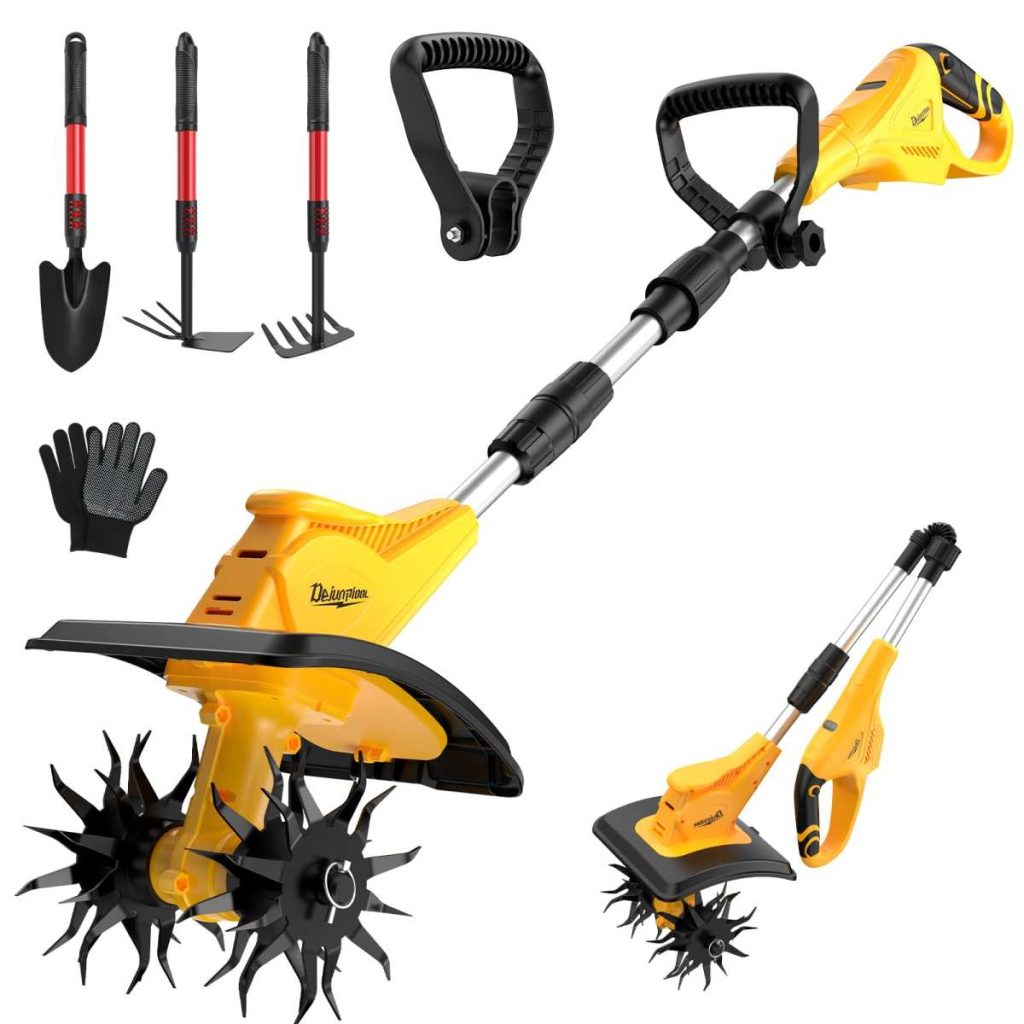
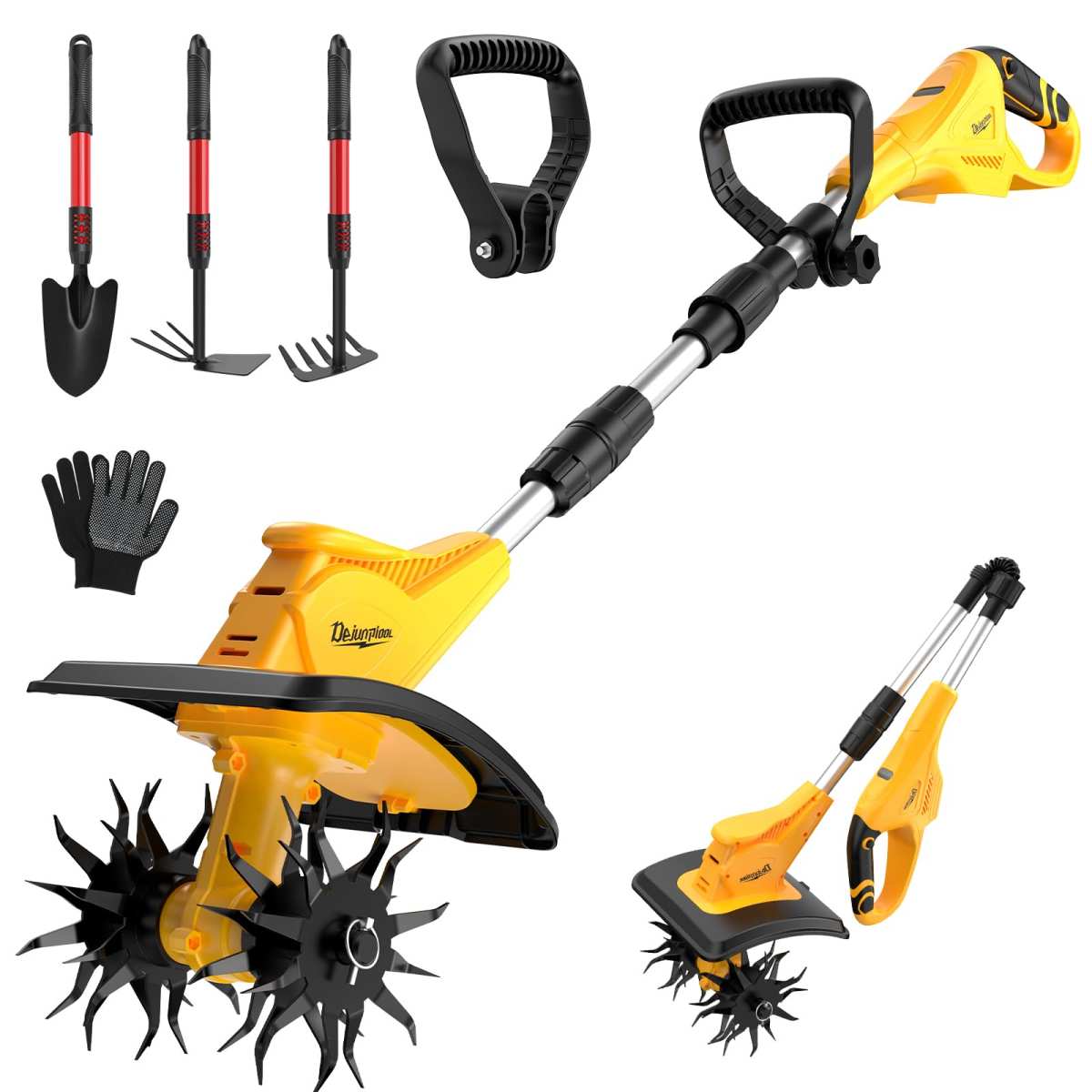
The Cordless Tiller Cultivator Compatible is designed with urban gardeners and small-space farmers in mind. Its standout feature is compatibility with popular 20V MAX batteries from DEWALT or Milwaukee, making it a smart addition to existing tool collections. You get a powerful 500W motor that spins at 310 RPM, capable of slicing through clay and compacted soil with surprising ease. With a tilling width of 9.1 inches and depth of 6.3 inches, it’s ideal for raised beds, narrow rows, or delicate planting areas where precision matters.
One of its most innovative features is the dual safety activation system. To start the tiller, you must press both the trigger and the safety lock simultaneously—this simple design prevents accidental starts around children or pets. The built-in low-voltage protection also ensures your battery isn’t drained too deeply, extending its lifespan over time.
What really sets this tiller apart is its versatility. Whether you’re weeding, aerating, mixing compost, or preparing seedbeds, this tool handles it all without clogging thanks to its four-blade setup with 40 precision teeth. These blades create ultra-fine soil texture that promotes healthier root growth—up to 30% deeper aeration than traditional methods.
Portability is another strong suit. At just 4.3 feet long, it’s lightweight and made of durable aluminum. But what’s even better is how it folds in half, saving up to 50% of storage space. That makes it perfect for apartments, tiny homes, or anyone with limited garage or shed space. The adjustable handle allows for customizable height, reducing back strain during extended use.
In the box, you’ll find everything needed to start gardening right away: the tiller itself, a hand trowel, rake, hoe, gloves, and an extra handle for added comfort. While some users have noted that the included hand tools feel flimsy and may require duct tape to stay together during heavy use, the main unit holds up well under regular conditions.
Pros:
- Lightweight and highly portable
- Folds for compact storage
- Works with existing DEWALT or Milwaukee batteries
- Deep soil aeration and fine texture creation
- Safe dual-trigger activation
- Includes useful gardening accessories
Cons:
- Battery not included (must purchase separately)
- Included hand tools are low-quality and fragile
- Limited tilling width compared to gas or heavier electric models
- May struggle with extremely hard or rocky soil without pre-preparation
Customer Reviews:
“Love that tiller for seeding clover wood lots. Last long Power is good. Easy cleaning. Light weight.”
“Cultivator works well, easy to use. Added hand tools need improvement as they come apart while working (three pieces each tool) but duct tape does miracle to hold them together.”
“Works good. But handle is very cheap. Broke both that came in the box before it was even used.”
Best For:
This tiller shines for small-space gardeners, apartment dwellers, and those already invested in DEWALT or Milwaukee battery systems. It’s also excellent for raised bed cultivation, weed control, and light soil preparation where portability and quiet operation are priorities.
In-Depth Look: Electric Rototiller Garden Tiller
CUSTOMER REVIEWS
⏳ Loading…
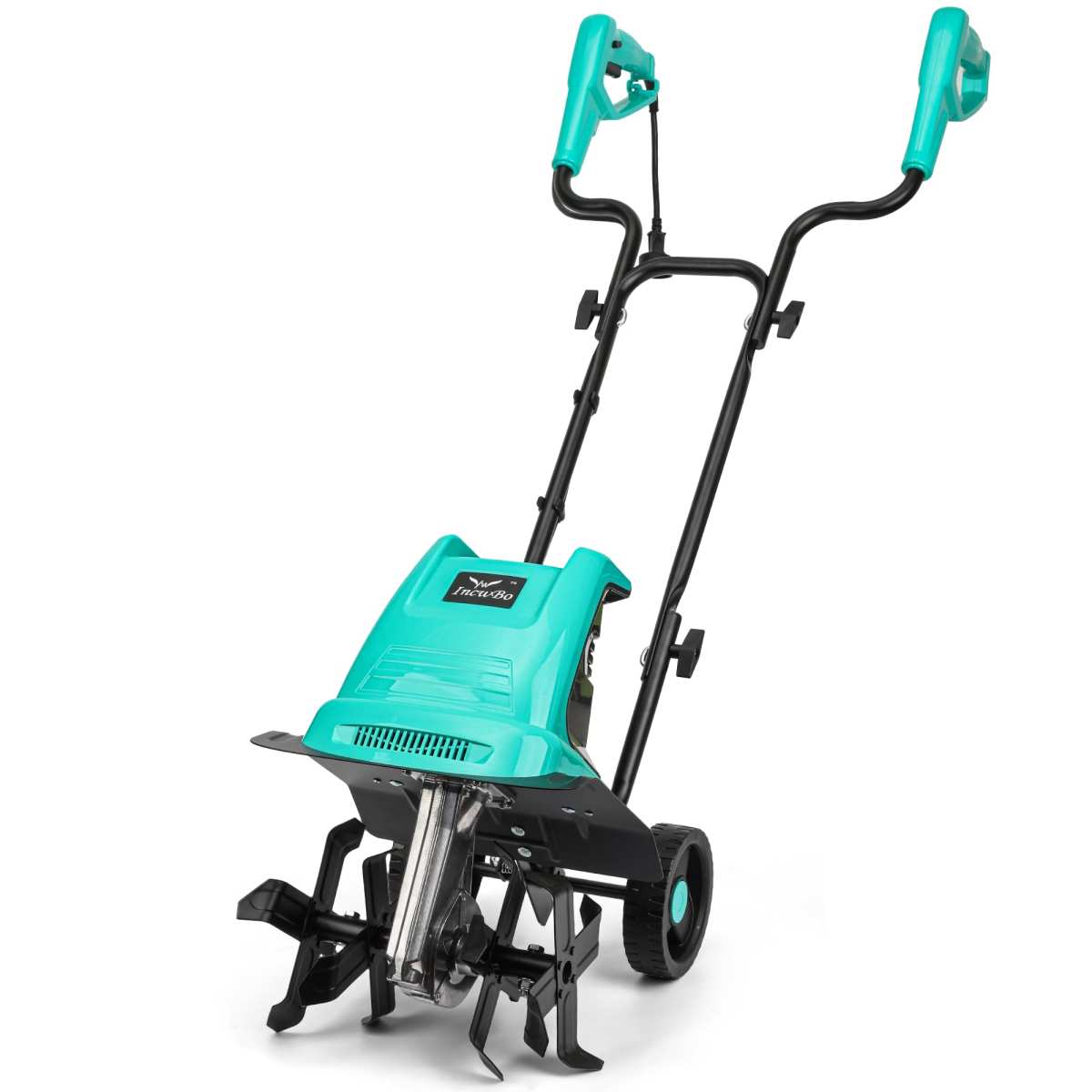
Stepping up the power game, the Electric Rototiller Garden Tiller delivers serious muscle with its 10.5-amp motor—equivalent to roughly 1,260 watts of continuous power. This makes it significantly more robust than the cordless model, especially when tackling dense, compacted, or rocky soil. It boasts an impressive 12-inch tilling width and 8-inch depth, allowing you to cover larger areas quickly and deeply.
Equipped with four heavy-duty, rust-resistant blades, this rototiller excels at breaking through tough ground conditions. Unlike many competitors, it includes a unique equipment spur—a metal protrusion near the front that helps anchor the tiller into the soil, giving you better control and reducing user fatigue. This feature is especially helpful when working on slopes or uneven terrain.
Safety is built-in with mechanical overload protection. If the tiller gets jammed by a root, rock, or other obstacle, it automatically shuts off to prevent motor burnout or damage. This adds peace of mind during demanding tasks.
Assembly is straightforward, though some users have mentioned that the instruction manual’s diagrams for attaching wheels are confusing. Once set up, however, the tiller performs reliably whether used with wheels up (for lighter soil) or down (for deeper penetration).
Many reviewers—especially those over 60—praise its ease of use and reliability. One 75-year-old user noted, “It’s a workhorse. It digs deep and doesn’t bog down,” highlighting its dependability for long-term garden maintenance. It’s particularly effective for large garden beds, vegetable plots, or anyone needing to till more than 100 square feet regularly.
While it’s corded, meaning you’re tethered to an outlet, that also guarantees consistent power without battery drain concerns. Just keep your extension cord handy!
Pros:
- High power output (10.5 amp) for tough soil
- Larger tilling width (12 inches) and depth (8 inches)
- Includes helpful equipment spur for control
- Overload protection prevents motor damage
- No battery dependency—always ready to go
- Handles heavy-duty tasks with ease
Cons:
- Corded design limits mobility
- Bulkier and heavier than cordless alternatives
- Lacks foldable design—takes up more storage space
- Not ideal for very small or delicate planting areas
- No battery included (obviously, since it’s corded)
Customer Reviews:
“Don’t think twice, get this machine! It’s the best balance of price and quality. Easy to assemble, powerful, and elegant piece of equipment. Most importantly, it will get the job done, no sweat.”
“This is fantastic! I am 75 and have no problem tilling up my garden. It’s a workhorse. It digs deep and doesn’t bog down. I would recommend this tiller.”
“Was easy to put together however direction pictures for attaching the wheels was awful but figured it out. Took about 20 minutes to put together. It worked well with wheels up or down. I have a mantis gas tiller but only starting it up a few times a year is hard to do now that I’m older. This thing is just what I needed for my above grown garden bed of 12 ft long by 5 ft wide.”
Best For:
This rototiller is perfect for larger gardens, heavy-duty tilling jobs, and users who prioritize raw power over portability. It’s ideal for preparing new plots, breaking up hardpan soil, and maintaining extensive vegetable beds where consistent, high-torque performance is essential.
Head-to-Head Comparison
Power and Performance
The Electric Rototiller Garden Tiller clearly dominates in raw power with its 10.5-amp motor, delivering far more torque than the 500W cordless model. This translates to better performance in clay, rocky, or heavily compacted soils. The rototiller’s 12-inch width and 8-inch depth allow it to cover more ground faster, making it suitable for serious gardeners with large plots.
In contrast, the Cordless Tiller Cultivator Compatible offers sufficient power for light to medium-duty tasks like weeding, aerating, and preparing raised beds. Its 9.1-inch width and 6.3-inch depth are perfect for precision work but may require multiple passes over larger areas.
Portability and Convenience
This is where the cordless tiller has a massive edge. With no cord and a foldable design, it’s incredibly easy to store, transport, and use in tight spaces. The ability to extend the handle to 5 feet reduces bending and back strain, and the lightweight aluminum frame makes it manageable for most adults.
The electric rototiller, while effective, is bulkier and requires a grounded outlet nearby. The cord restricts movement, and the non-foldable structure demands more dedicated storage space—something not ideal for renters or those with small garages.
Ease of Use and Safety
Both models include thoughtful safety features. The cordless tiller uses a dual-trigger system and low-voltage cutoff, while the electric version relies on mechanical overload protection. Both prevent accidental starts and protect against battery or motor damage.
However, the cordless model edges ahead in user comfort. The adjustable handle and ergonomic design reduce fatigue during extended sessions. The electric tiller, while powerful, can feel heavy and unwieldy over long periods, especially for shorter individuals or seniors.
Value for Money
The Electric Rototiller Garden Tiller offers better long-term value if you need heavy-duty performance regularly. Its higher initial cost is justified by its durability and capacity for large jobs.
The Cordless Tiller Cultivator Compatible is more affordable upfront and adds value if you already own compatible batteries. It’s a smarter choice for occasional use or smaller gardens, offering flexibility without sacrificing functionality.
Maintenance and Longevity
Both tools are built to last, but the cordless model benefits from reduced wear since it lacks a cord (prone to fraying) and doesn’t require oil changes or spark plug replacements. The electric tiller’s cord may need occasional inspection and replacement, and the motor must handle continuous high load.
That said, the rototiller’s overload protection helps preserve the motor during accidental jams, extending its lifespan under tough conditions.
Frequently Asked Questions
Q: Can the Cordless Tiller Cultivator Compatible work with other battery brands?
A: No, it’s specifically designed to work only with DEWALT 20V MAX or Milwaukee 18V batteries (depending on color). It will not function with Ryobi, Greenworks, or other brands.
Q: Do I need to buy a battery separately for the Cordless Tiller Cultivator Compatible?
A: Yes, the battery is not included. You’ll need to purchase a compatible 20V MAX or 18V battery separately. Check our guide on how long electric lawn mower batteries take to charge for tips on maintaining battery health.
Q: Is the Electric Rototiller Garden Tiller safe for use on slopes?
A: While it can be used on gentle slopes, we recommend caution. The equipment spur helps with control, but both models are best suited for flat terrain. Always follow manufacturer guidelines for safe operation.
Q: Which tiller is better for raised beds?
A: The Cordless Tiller Cultivator Compatible is ideal for raised beds due to its narrower width, lightweight design, and precision control. Its ability to fold and extend makes it easy to maneuver in tight spaces.
Q: Can these tillers handle rocky or clay-heavy soil?
A: The Electric Rototiller Garden Tiller is better equipped for rocky or extremely clay-heavy soil thanks to its higher torque and deeper tilling capability. The cordless model may struggle without pre-breaking up the soil first.
Q: Are replacement blades available for both models?
A: Yes, replacement blades are typically available through the manufacturer or third-party sellers on Amazon. Check compatibility before purchasing to ensure a proper fit.
Final Verdict: Which One Should You Choose?
Choosing between the Cordless Tiller Cultivator Compatible and the Electric Rototiller Garden Tiller ultimately depends on your gardening needs, space constraints, and preferred level of power.
If you value portability, quiet operation, and ease of storage, and primarily work in small gardens or raised beds, the Cordless Tiller Cultivator Compatible is your best bet. It’s lightweight, folds compactly, and integrates seamlessly with existing DEWALT or Milwaukee systems. Its dual safety features and deep aeration make it a gardener-friendly tool for everyday maintenance.
On the other hand, if you have larger plots, hard-packed soil, or need consistent high torque without worrying about battery life, the Electric Rototiller Garden Tiller delivers unmatched performance. Its 12-inch width and 8-inch depth allow you to till efficiently across big areas, and the overload protection ensures reliability under stress.
For most home gardeners—especially those in apartments or with limited yard space—the cordless model offers the best balance of functionality and convenience. However, serious vegetable growers or those with expansive plots will find the electric rototiller’s power hard to beat.
In summary:
– Choose the Cordless Tiller Cultivator Compatible for small gardens, raised beds, and portability.
– Choose the Electric Rototiller Garden Tiller for large areas, tough soil, and heavy-duty tilling.
No matter which you pick, both tools represent excellent investments in your garden’s health and your sanity during planting season. Happy tilling!