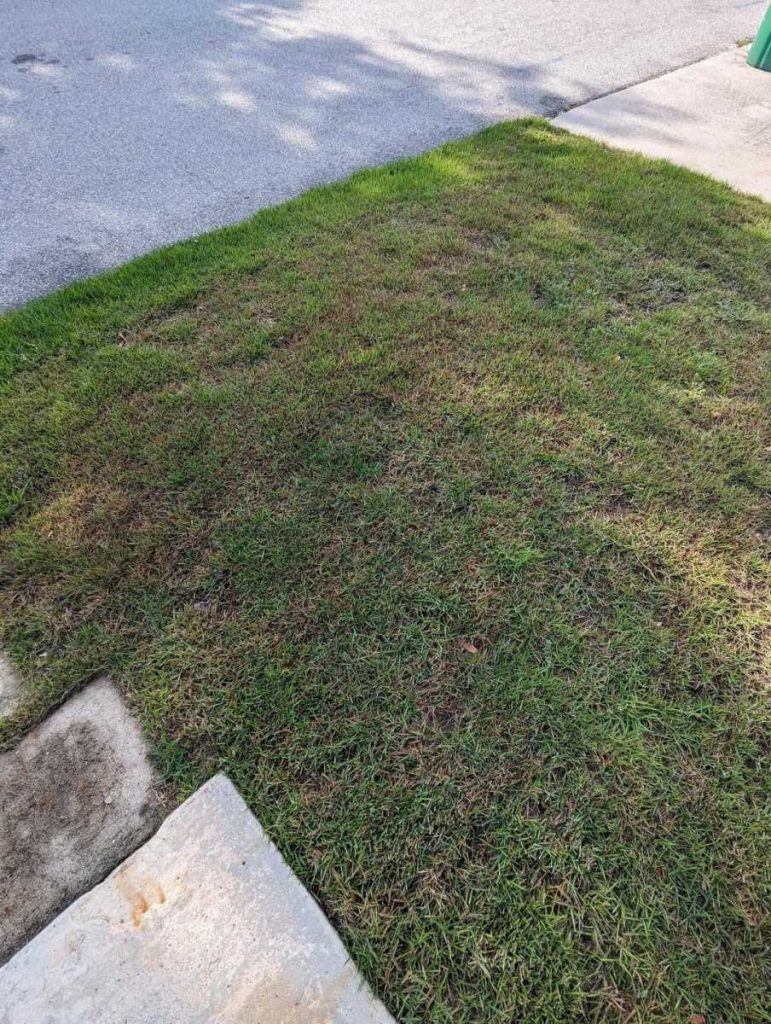
Yes, Zoysia grass can be overseeded, but it’s not always necessary or beneficial. Overseeding is more common with cool-season grasses, while Zoysia, a warm-season grass, generally maintains its density without the need for overseeding. However, in some cases where the lawn has thin patches or winter dormancy, overseeding can help improve its appearance and health.
If you’re wondering whether overseeding Zoysia grass is worth it, the short answer is: it’s possible but usually not essential unless your lawn has bare spots or significant thinning. Zoysia is known for its dense growth, which naturally crowds out weeds, so overseeding should be considered only if your lawn needs reinforcement.
Starting with a lush, green Zoysia lawn is what every homeowner dreams of, but maintaining that pristine look can sometimes be a challenge, especially through seasonal changes. Zoysia grass is resilient and low-maintenance, thriving in warm climates, but it goes into dormancy during colder months. Many people ask if overseeding can help keep their lawns green and thick year-round. The good news is, while you can overseed Zoysia, it’s not a common practice as it doesn’t usually grow well when overseeded with cool-season grasses or other types. Instead, ensuring proper fertilization, watering, and lawn care tends to keep your Zoysia lush and healthy. If you notice patchy or thinning areas, patching or reseeding with Zoysia itself during the active growing season is typically more effective than overseeding with different grass types.

Can Zoysia Grass Be Overseeded? A Complete Guide
Understanding Zoysia Grass and Its Growth Patterns
Zoysia grass is known for its dense, lush appearance and ability to handle heat and drought conditions. It spreads slowly but forms a thick carpet that can choke out weeds naturally. Because of its slow growth rate, overseeding Zoysia requires careful planning.
Characteristics of Zoysia Grass
This grass type features fine blades or broader textures depending on the variety. It prefers full sun but can tolerate some shade, making it suitable for many lawns. Its deep root system helps survive dry spells, but it also means overseeding strategies differ from other grasses.
Growth Cycle and Dormancy
Zoysia enters dormancy during colder months, losing its green color and becoming brown. In spring, it slowly re-greens, which can make overseeding necessary to maintain a vibrant lawn year-round. Recognizing this cycle helps plan effective overseeding.
Is Overseeding Zoysia Grass Possible?
Many homeowners wonder if overseeding Zoysia is a viable option to improve lawn density and color. The short answer is yes, but with specific techniques and timing considerations.
Why Overseed Zoysia?
Overseeding can fill in thin or bare patches caused by winter dormancy or damage. It can also enhance the lawn’s overall appearance and health. However, because Zoysia spreads slowly, overseeding is often more about supplementing than replacing existing grass.
Timing: When to Overseed
The best time to overseed Zoysia depends on your climate. In warm regions, late spring through early summer is ideal. In cooler climates, late spring after the last frost is preferable. Proper timing ensures better germination and establishment.
Preparing Your Lawn for Overseeding
Effective overseeding starts with proper preparation to give new seeds the best chance to grow. This process involves cleaning, soil management, and surface aeration.
Cleaning and Debris Removal
Start by raking away dead grass, leaves, and any debris. A clean surface helps seeds contact the soil and promotes healthy germination.
Soil Testing and Amendments
Test your soil to check pH and nutrient levels. Zoysia prefers a slightly acidic to neutral pH (around 6.0 to 6.5). Amend the soil as needed with lime or fertilizer to optimize conditions.
Core Aeration and Dethatching
Aeration removes compacted soil to improve airflow, water movement, and seed-to-soil contact. Dethatching helps break up the thatch layer, allowing seeds to reach the soil easily.
Choosing the Right Seeds for Overseeding
Since Zoysia is slow to spread, selecting the right seed variety and quality is essential for successful overseeding.
Type of Seeds
Use high-quality Zoysia seed that matches your existing lawn. Popular varieties include Meyer Zoysia, Zeon Zoysia, and Empire Zoysia. These tend to have better germination rates and disease resistance.
Seed Quality and Storage
Choose fresh, clean seed from reputable suppliers. Proper storage in a cool, dry place maintains seed viability.
Seed Mixtures
Mixing Zoysia seed with a small percentage of a fast-germinating grass (such as annual ryegrass) can help establish ground cover until the Zoysia takes hold, especially in cooler climates.
Seeding Techniques
The method used for overseeding influences germination success and lawn uniformity.
Direct Seeding
Spread seeds evenly across the prepared surface, either by hand or using a seed spreader. Ensure uniform coverage for best results.
Slit Seeding
Use a slit seeder or aerator with a seeding attachment to create small incisions and deposit seeds directly into the soil. This technique improves seed-soil contact and germination rates.
Topdressing and Covering
Lightly topdress with a thin layer of soil or compost to protect seeds and encourage germination. Avoid burying seeds too deep, as Zoysia seeds need light to sprout.
Watering and Maintenance Post-Overseeding
Proper watering is critical to successful germination and seedling growth.
Watering Schedule
Keep the soil consistently moist but not waterlogged. Light, frequent watering several times a day is recommended until seeds sprout.
Fertilizing
Apply a balanced starter fertilizer to provide essential nutrients for young seedlings. Follow manufacturer instructions for application rates.
Controlling Competition
Limit foot traffic and weed growth during germination. Pull weeds gently and avoid disturbing new seedlings.
Managing Overgrowth and Integration
As the overseeded grass begins to grow, it’s important to manage its integration with existing Zoysia.
Gradual Mowing
Start mowing once seedlings reach about 2 inches in height. Mow at a higher setting initially to avoid damaging young plants.
Thin Out Dense Areas
If overseeding creates overly dense patches, lightly dethatch or aerate to reduce competition and promote healthy growth.
Monitoring and Adjusting Care
Regularly inspect your lawn for pests, diseases, or uneven growth. Adjust watering and fertilization as needed for optimal health.
Related Topics
- How to Improve Zoysia Grass Thickness
- Common Zoysia Grass Diseases and Prevention
- Maintaining a Zoysia Lawn in Different Climates
- Best Fertilizer Practices for Zoysia Grass
- Comparing Zoysia Varieties for Overseeding Success
Summary
Overseeding Zoysia grass is certainly achievable if you follow the proper steps. Preparation, timing, seed selection, and diligent care are key to successfully filling in gaps and enhancing your lawn’s appearance. While Zoysia’s slow spreading limits rapid coverage, overseeding provides a reliable method to keep your yard vibrant and healthy.
By understanding these crucial aspects and applying best practices, you can enjoy a lush, thick Zoysia lawn that stands out in your neighborhood. Proper oversight and consistent maintenance will help your overseeding efforts pay off, giving you a beautiful yard to admire year-round.
How to Get Zoysia Grass to Spread Faster in Your Yard
Frequently Asked Questions
What is the best time to overseed Zoysia grass?
The optimal time to overseed Zoysia grass is during late spring or early summer when the soil warms up and the grass begins to become more active. This period provides ideal conditions for seed germination and establishment, ensuring a dense and healthy lawn. Avoid overseeding during the peak of summer or in cooler months, as extreme temperatures can hinder seed growth.
Do I need to prepare the Zoysia lawn before overseeding?
Yes, preparing the existing Zoysia lawn improves overseeding success. Mow the grass closely and remove any debris or dead patches. Aerate the soil to loosen compacted areas, and consider dethatching if a thick layer of thatch exists. These steps help the seed make good contact with the soil, promoting better germination and growth.
What type of seed should I use to overseed Zoysia grass?
Use a high-quality seed that is compatible with Zoysia grass or suited for warm-season grasses. Choose a seed blend that matches your existing lawn for uniformity and optimal results. Selecting disease-resistant and drought-tolerant varieties also enhances the lawn’s overall health after overseeding.
Will overseeding affect the color or texture of my Zoysia lawn?
Overseeding can slightly alter the appearance temporarily as new seedings grow in, but once established, the new grass will blend seamlessly with the existing Zoysia. It often results in a thicker, greener, and more uniform lawn, especially if you choose the right seed and follow proper maintenance practices.
How often should I overseed my Zoysia grass for maintenance?
Typically, overseeding once every couple of years helps maintain a dense and healthy Zoysia lawn. Regular overseeding encourages new grass growth, fills in bare spots, and improves resistance to pests and disease. Keep an eye on your lawn’s condition and overseed as needed to sustain its quality.
Final Thoughts
Zoysia grass can be overseeded, but the process requires proper timing and technique. Overseeding can enhance its density and appearance, especially in thinner areas.
Timing is crucial; best results occur during the late spring or early summer. Use a high-quality grass seed compatible with Zoysia for successful overseeding.
In summary, can zoysia grass be overseeded? Yes, overseeding can improve your lawn’s health and look. Proper execution ensures a lush, even green space with minimal effort.