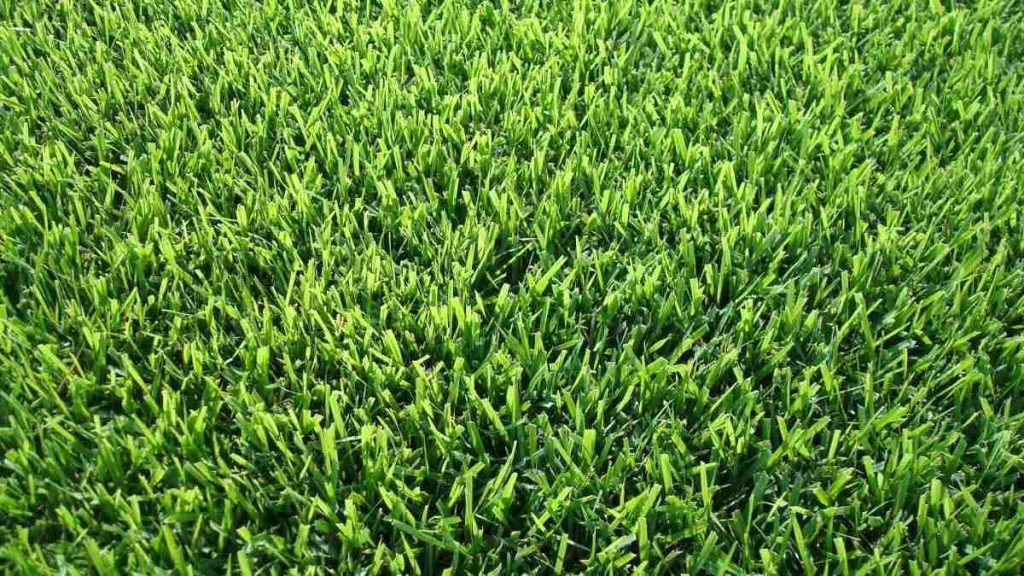
Yes, Zoysia grass can be mixed with Bermuda grass, but it requires careful planning to ensure compatibility and a uniform appearance. Combining these grasses can create a resilient and lush lawn, but it’s important to consider their growth habits and maintenance needs.
In short, Zoysia and Bermuda grasses can be mixed to enhance lawn durability and aesthetic appeal, but they need proper management to ensure they thrive together. This article explores whether these grasses can be successfully blended, what benefits and challenges come with mixing them, and tips for achieving a healthy, beautiful lawn.
Thinking about combining Zoysia and Bermuda grass? Many homeowners wonder if these popular turf options can coexist in a single yard. While both grasses are warm-season varieties, they have different growing behaviors—Bermuda is fast-spreading and vigorous, while Zoysia is more gradual and dense. Mixing them can be beneficial for creating a lawn that’s both hardy and lush, but it’s essential to understand their unique characteristics. Proper planning, soil preparation, and ongoing maintenance are key to successfully blending these grasses without issues like uneven growth or mismatched textures. With the right approach, you can enjoy a vibrant, durable lawn that combines the best of both worlds.

Can Zoysia Grass Be Mixed with Bermuda Turf? A Complete Guide
Understanding Zoysia and Bermuda Grass
Zoysia and Bermuda grasses are two of the most popular warm-season turf grasses used in lawns and landscapes. Zoysia is known for its dense, soft, and slower-growing grass, making it ideal for low-maintenance lawns. Bermuda grass, on the other hand, is a fast-growing, hardy grass often used on sports fields and golf courses.
Why Consider Mixing Zoysia and Bermuda?
Many homeowners and landscapers wonder if combining these grasses can provide the best of both worlds. Mixing Zoysia with Bermuda can potentially lead to a more resilient and visually appealing lawn. It offers advantages such as improved drought tolerance, reduced weed growth, and a more uniform appearance.
Can Zoysia and Bermuda Be Planted Together?
Yes, Zoysia and Bermuda can be planted in the same lawn, but this requires careful planning. Both grasses are warm-season, meaning they thrive in similar climates. However, they have different growth habits and maintenance requirements that can influence how well they blend.
Factors to Consider Before Mixing
Before attempting a mixed lawn, consider these factors:
- Climate suitability: Both grasses prefer warm, sunny environments.
- Soil type: Ensure your soil supports both grasses for healthy growth.
- Watering needs: Bermuda grows quickly and needs more water than Zoysia.
- Maintenance levels: Bermuda may require more frequent mowing; Zoysia, less so.
Advantages of Mixing Zoysia and Bermuda
Combining these grasses can offer many benefits:
- Enhanced resilience: The mix can better withstand drought, heat, and foot traffic.
- Extended growing season: Bermuda greens up earlier and stays active longer, while Zoysia provides coverage during cooler periods.
- Beautiful appearance: The blend creates a lush, dense lawn with varying textures and shades of green.
- Reduced weed invasion: Dense grass coverage minimizes spaces where weeds can grow.
Challenges of Mixing Zoysia and Bermuda
While mixing can be beneficial, there are challenges to consider:
- Growth rate differences: Bermuda spreads rapidly, potentially outcompeting Zoysia if not managed.
- Color variation: Bermuda tends to have a brighter green compared to the more muted tone of Zoysia.
- Maintenance balance: Requires careful mowing and fertilization to meet the needs of both grasses.
- Border issues: Distinct growth patterns may create uneven edges or patchy areas.
How to Successfully Mix Zoysia and Bermuda
To create a healthy, attractive mixed lawn, follow these steps:
Step 1: Prepare the Soil
Ensure the soil is well-draining and fertile. Conduct a soil test to determine pH and nutrient levels. Amend the soil as needed to support both grasses.
Step 2: Choose the Right Varieties
Select Zoysia and Bermuda cultivars suited for your climate and soil conditions. Popular Zoysia types include Meyer and Emerald, while Bermuda options include Tifway and Tifgreen.
Step 3: Proper Planting Techniques
Plant Zoysia and Bermuda through sod, plugs, or seed. For a seamless blend, use sod or plugs for Bermuda and Zoysia, as seed can create uneven patches.
Step 4: Maintain Proper Spacing
Allow enough space for both grasses to establish without crowding. Maintain proper spacing to encourage healthy spread and growth.
Step 5: Regular Mowing and Fertilization
Balance your mowing height based on the grass types. Typically, Bermuda should be mowed at 1 to 2 inches, while Zoysia prefers 1 to 2.5 inches. Fertilize with a balanced lawn fertilizer suitable for warm-season grasses.
Step 6: Watering Strategy
Adjust watering schedules based on the growth habits of each grass. Bermuda may require more frequent watering, while Zoysia needs less.
Maintenance Tips for a Mixed Lawn
Regular maintenance will improve the performance of the mixed grasses:
- Aerate the soil annually to improve nutrient penetration and root development.
- Control weeds by overseeding or spot-spraying to prevent invasion of unwanted species.
- Monitor growth patterns to manage any patches that might dominate or lag behind.
- Adjust fertilization based on seasonal needs and growth response.
Best Practices for Combining Zoysia and Bermuda
For optimal results, consider the following best practices:
- Avoid over-planting Bermuda in areas shaded by Zoysia, as shade can limit Bermuda’s growth.
- Use edging or barriers to contain Bermuda’s aggressive spreading in specific areas.
- Mix Zoysia and Bermuda in parts of your lawn where you want both durability and softness.
Related Topics
You might also explore these related topics:
Maintaining a Cool-Season and Warm-Season Grass Mix
Creating a Drought-Resistant Lawn with Zoysia and Bermuda
Best Fertilizer and Watering Practices for Mixed Lawns
Using Lawn Aeration and Overseeding to Enhance Mixed Grasses
Mixing Zoysia grass with Bermuda is possible and can create a resilient, attractive lawn with proper planning and maintenance. Understanding each grass’s needs and growth habits helps in achieving a seamless blend. With patience and consistent care, this combination can enhance your outdoor space’s beauty and functionality.
Planting Bermuda and Zoysia Seed – Shaded Areas
Frequently Asked Questions
Is it advisable to plant Zoysia grass and Bermuda grass together in the same lawn?
Planting Zoysia and Bermuda grass in the same area can be done, but it’s essential to understand that they have different growth habits and maintenance needs. Bermuda grass tends to establish quickly and forms a dense, fine-textured turf. Zoysia, on the other hand, grows more slowly and has a coarser texture. Combining them can create a varied appearance, but it may lead to uneven growth and maintenance challenges. Proper planning and management can help ensure both grasses thrive together.
What are the benefits of mixing Zoysia grass with Bermuda grass?
Mixing Zoysia with Bermuda grass can offer benefits such as extended growing season and improved drought resistance. Zoysia’s tolerance to shade and cooler temperatures can complement Bermuda’s rapid establishment and resilience in full sun. This combination can create a lawn with diverse characteristics, potentially reducing the need for frequent watering and mowing, depending on the specific climate and maintenance practices.
Are there any challenges associated with blending these two grass types?
Yes, blending Zoysia and Bermuda grass may present challenges like differing growth rates, color variations, and mowing requirements. Bermuda grows quickly and may outcompete Zoysia in some areas, leading to uneven patches. Additionally, their different textures and heights can affect the uniformity of the lawn. Regular maintenance and proper overseeding can help manage these issues effectively.
How should I prepare my soil before planting both Zoysia and Bermuda grass together?
Start by testing your soil to determine pH and nutrient levels. Aim for well-draining soil with a pH between 6.0 and 6.5. Aerate the soil and amend it with organic matter if needed to improve fertility and drainage. When planting both grasses, ensure they receive adequate fertilization tailored to their specific needs, and avoid overwatering, especially during the establishment phase.
Can I use the same mowing height for both Zoysia and Bermuda grass when growing them together?
While both grasses can be maintained at similar heights, Zoysia generally thrives when mowed around 1 to 2 inches, whereas Bermuda grass often prefers 0.5 to 1.5 inches. Since they grow at different rates and textures, setting a mowing height that accommodates both may require some adjustment. Regular mowing and monitoring can help maintain an even appearance and healthy growth for both types.
Final Thoughts
Yes, you can mix zoysia grass with bermuda to create a resilient lawn. Combining these grasses can enhance drought tolerance and improve overall appearance. Proper planning and blending techniques ensure a seamless integration of both types.
Can zoysia grass be mixed with bermuda? Absolutely, it is possible and often beneficial for diverse lawn conditions. This approach offers practical advantages and adds aesthetic variety, making your yard more adaptable and attractive.