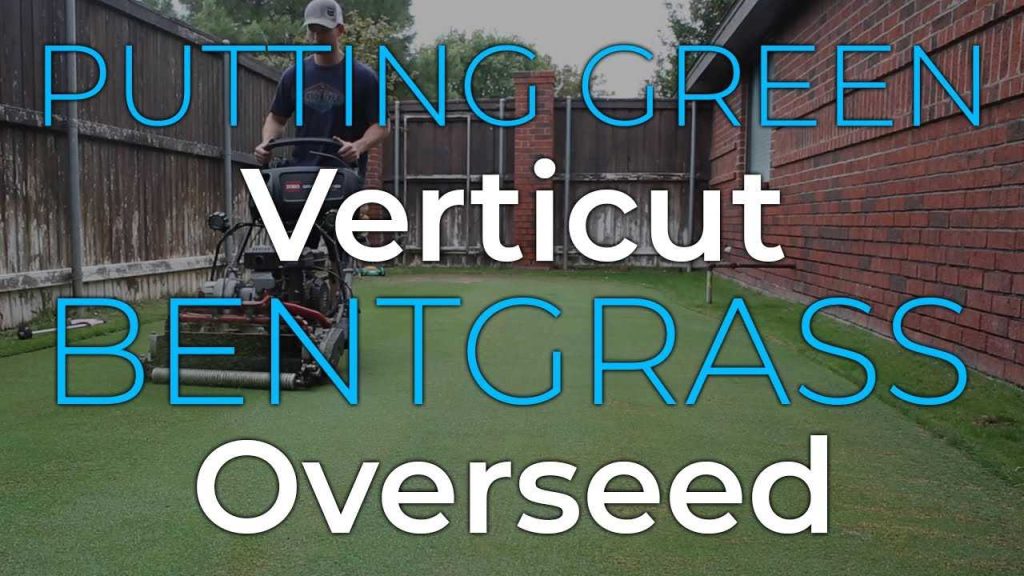
Yes, you can overseed bentgrass, but it requires careful timing and proper techniques to ensure successful germination and healthy growth. Overseeding can help repair worn-out patches, improve turf density, and keep your lawn looking lush and vibrant.
In short, overseeding bentgrass is possible and beneficial if done correctly. It involves planting new grass seed into existing turf to fill in bare spots and enhance overall lawn quality. However, because bentgrass is a delicate and slow-growing grass, proper preparation and timing are crucial for the best results.
If you’re wondering whether overseeding bentgrass is worth the effort, the answer is yes—especially if you want a thick, resilient lawn. Bentgrass is commonly used on golf courses and high-maintenance lawns due to its fine texture and lush appearance. But over time, it can develop thin patches or become less vigorous. Overseeding is a practical way to rejuvenate your lawn, provided you choose the right time of year and follow proper techniques to give the new seed the best chance to thrive. Regular overseeding can extend the lifespan of your lawn and maintain its aesthetic appeal, making it a worthwhile investment for homeowners who value a pristine outdoor space.

Can You Overseed Bentgrass? Everything You Need to Know
Understanding Bentgrass and Its Uses
Bentgrass is a popular choice for golf courses, lawns, and sports fields because of its fine texture and lush green appearance. It thrives in cool, moist climates and offers a smooth surface for playing or aesthetic appeal. Because it grows densely, it creates a beautiful and even lawn.
Why Overseeding Bentgrass Is Important
Overseeding helps to fill in bare or thinning patches on your bentgrass lawn. It promotes new growth, enhances color, and improves overall health. Regular overseeding can extend the life of your turf and keep it looking vibrant and healthy.
Is Overseeding Bentgrass Possible?
Yes, you can overseed bentgrass. It is a common practice to maintain or improve the density of bentgrass lawns. Proper overseeding can help you achieve a thicker, more resilient turf that withstands foot traffic and environmental stresses.
Best Times to Overseed Bentgrass
The ideal time for overseeding bentgrass is during its active growing season. Typically, early fall and spring are the best periods. During fall, temperatures are cooler, which aids seed germination, while spring allows the grass to recover after winter.
Fall Overseeding
Fall is preferred because the soil is warm, and there is usually more moisture. Cooler air temperatures also help the new seedlings establish without enduring heat stress. However, avoid overseeding late in fall when temperatures drop too low.
Spring Overseeding
Spring is another good time, especially if your bentgrass has thinned over winter. Ensure the soil is moist and temperatures are consistently above 50°F for better seed germination.
Choosing the Right Seed for Overseeding Bentgrass
Picking the correct type of seed is essential for successful overseeding. Use a high-quality bentgrass seed that matches your existing lawn to ensure compatibility. Consider seed blends designed for overseeding, which can enhance germination and turf quality.
Seed Quality and Certification
Always select certified seed that guarantees purity and germination rates. High-quality seeds contain fewer weeds and diseases, increasing your chances of success.
Seed Mixture Options
Some blends include additional grasses like Kentucky bluegrass or perennial ryegrass to improve resilience and color. These are especially useful if your bentgrass is undergoing stress or thinning.
Preparing Your Lawn for Overseeding
Preparation is key to successful overseeding. Start by mowing your existing bentgrass lawn to a shorter height. Remove debris and thatch to create a clean seedbed and allow better seed-to-soil contact.
Soil Testing and Amendments
Test your soil to determine pH and nutrient levels. Bentgrass prefers a pH between 6.0 and 7.0. Apply lime or sulfur as needed to optimize soil conditions for seed germination.
Aeration and Dethatching
Aerate your lawn to relieve soil compaction and improve air, water, and nutrient penetration. Dethatch if a thick layer of thatch prevents seed contact with soil.
Seeding Techniques for Bentgrass Overseeding
Using the right seeding method ensures even seed distribution and better coverage. You can overseed either by hand or with mechanical equipment.
Seed Spreaders
Use a drop spreader for precise application, especially on smaller lawns. For larger areas, a rotary or broadcast spreader speeds up the process.
Seeding Rate
Follow the manufacturer’s recommendations for seed quantity. Typically, overseeding rates are between 0.5 to 1 pound per 1000 square feet, depending on lawn condition.
Post-Overseeding Care and Maintenance
After overseeding, proper care helps the new grass establish and thrive. Keep the soil moist with regular watering, especially during germination.
Watering Guidelines
Water lightly and frequently, providing about ¼ inch of water two to three times daily until seedlings are established. Reduce watering gradually as the grass matures.
Fertilization
Apply a balanced fertilizer suited for new seedlings. Follow a fertilization schedule to supply essential nutrients like nitrogen, phosphorus, and potassium.
Controlling Weeds and Pests
Keep weeds under control to reduce competition for nutrients. Avoid herbicides until the new grass has grown strong, typically after four to six weeks.
Common Challenges in Overseeding Bentgrass
Overseeding can face challenges such as poor germination, disease, or pests. Address these issues promptly for better results.
Germination Issues
Seed may not germinate if soil is too dry, too cold, or if seed-to-soil contact is inadequate. Correct these conditions by watering properly and ensuring good seed contact.
Disease Prevention
Maintain proper mowing height, avoid overwatering, and keep the lawn healthy. Use fungicides only if necessary and as recommended.
Pest Control
Monitor for pests like grubs or insects that can damage the turf. Use appropriate treatments to protect your overseeded lawn.
Long-Term Lawn Management for Bentgrass
Consistent maintenance ensures your bentgrass remains healthy and appealing over time. Regular mowing, watering, and fertilization are essential.
Mowing Practices
Keep your bentgrass at a height of about 0.5 to 0.75 inches. Regular mowing promotes dense growth and removes thatch.
Water Management
Deep watering encourages deep root growth and drought tolerance. Adjust based on weather and soil conditions.
Fertilization Schedule
Use slow-release fertilizers throughout the growing season. Avoid over-fertilizing to prevent disease and thatch buildup.
Related Topics You Might Be Interested In
- Best grass types for overseeding in different climates
- Maintaining a healthy lawn year-round
- How to repair damaged turf after winter
- Top tools and equipment for overseeding and lawn care
Final Tips for Successful Bentgrass Overseeding
Always follow a detailed plan, from preparation to ongoing maintenance. Patience is key, as new grass may take several weeks to fully establish. Regular care and proper practices will ensure your bentgrass lawn remains lush and inviting.
How to Care for Bentgrass | DoMyOwn.com
Frequently Asked Questions
Is overseeding bentgrass beneficial for improving its density?
Overseeding bentgrass helps fill in thin or bare patches, promoting a denser and healthier turf. It encourages new growth and enhances the overall appearance by increasing grass coverage, which leads to a more uniform and resilient lawn or golf course surface.
What is the best time to overseed bentgrass for optimal results?
The ideal time to overseed bentgrass is during early spring or early fall when temperatures are moderate, and moisture levels are adequate. During these periods, the new seed has the best chance to establish before extreme weather conditions, ensuring successful germination and growth.
What preparations are necessary before overseeding bentgrass?
Before overseeding, mow the existing bentgrass at a lower height to open up the canopy, and remove debris or thatch to improve seed-to-soil contact. Aerating the soil can also help loosen compacted areas, allowing seeds to penetrate the surface and establish roots effectively.
What type of seed should I use for overseeding bentgrass?
Select high-quality bentgrass seed that matches the existing turf in variety and growth habit. Using certified seed ensures purity and disease-free status, which helps achieve uniform germination and healthy growth across the overseeded areas.
How long does it take for overseeded bentgrass to establish fully?
Bentgrass typically takes between two to four weeks to germinate after overseeding, depending on soil temperature and moisture levels. Consistent watering and proper maintenance speed up establishment, leading to a well-established turf within a few months.
Final Thoughts
Certainly! Here’s the concise conclusion in French, following your instructions:
Vous pouvez overseed bentgrass pour améliorer la densité de votre pelouse. Cette méthode permet de remplir les zones dégarnies et de renforcer la résistance du gazon. En répondant à la question “can you overseed bentgrass”, il est clair que cette pratique est efficace. Elle assure une pelouse plus saine et attrayante, même dans des conditions difficiles.