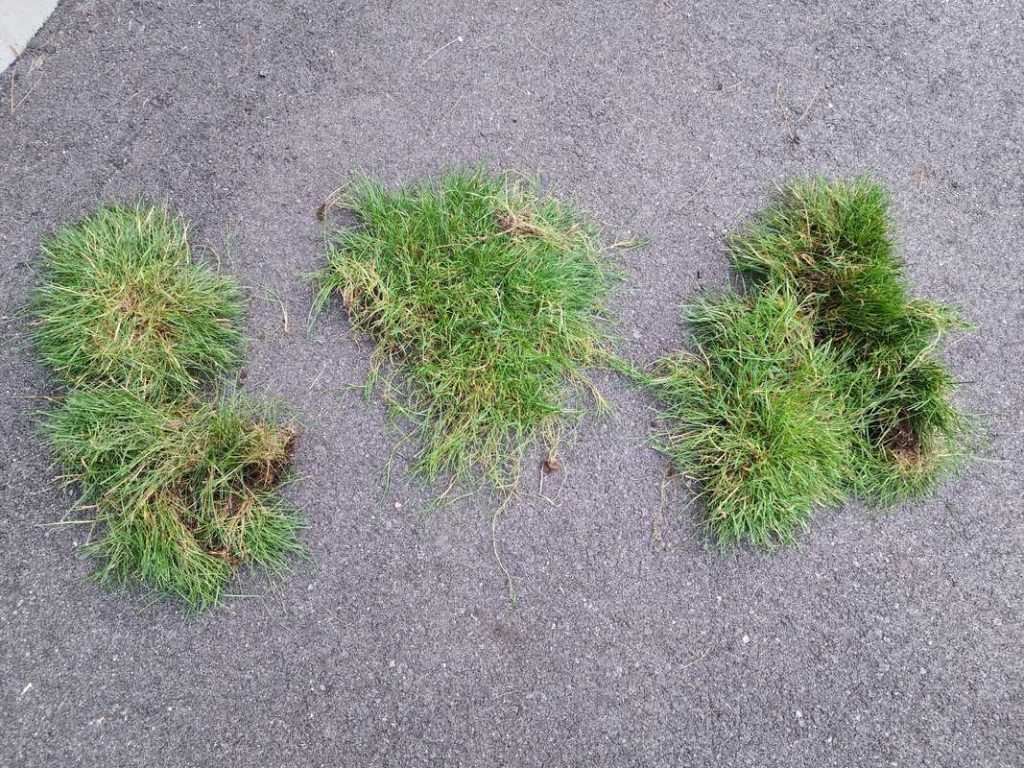
Bentgrass and Poa trivialis each have their unique strengths and weaknesses when it comes to lawn health and appearance. Choosing the right grass depends on your specific needs, climate, and maintenance preferences. For most homeowners, bentgrass offers a fine texture and excellent playability, while Poa trivialis is more resilient to shade and extreme weather conditions.
In short, bentgrass is ideal for high-maintenance, tight-knit lawns or golf courses where a smooth surface is desired, but it requires regular care. Poa trivialis is a better fit for shaded areas or regions prone to drought, as it’s more adaptable and stress-tolerant. Understanding these differences will help you make an informed decision for lush, healthy grass.
If you’re trying to decide between bentgrass and Poa trivialis, the key is to consider your climate, light exposure, and how much time you’re willing to dedicate to lawn care. Bentgrass is perfect for those seeking a pristine, golf-course look, but it’s demanding to maintain. Poa trivialis, on the other hand, can thrive with less attention and is more forgiving in challenging conditions. Knowing your priorities and environment will guide you to the best choice for a vibrant, healthy lawn.

Bentgrass vs Poa Trivialis: A Detailed Comparison for Lawn Enthusiasts and Golf Course Managers
Introduction to Bentgrass and Poa Trivialis
Bentgrass and Poa Trivialis are two popular types of turfgrass used on golf courses, sports fields, and lawns. Both grasses have unique features that make them suitable for different environments. Understanding their differences helps turf managers choose the best grass for their specific needs.
Origin and Classification
Bentgrass, scientifically known as Agrostis stolonifera, is a cool-season grass native to Europe and Asia. It is prized for its fine texture and dense growth habit. Poa Trivialis, or Rough Bluegrass, is also a cool-season grass but originates from Eurasia and Africa. It is recognized for its vigorous growth and adaptability.
Both grasses belong to the Poaceae family, but they differ in growth rate, appearance, and maintenance requirements. Recognizing their classification helps in understanding how they perform in different climates and soil conditions.
Growth Habits and Appearance
Bentgrass Characteristics
- Fine-textured leaves create a smooth and dense turf
- Forms a low-growing, carpet-like appearance
- Produces stolons that spread quickly across the soil surface
Poa Trivialis Characteristics
- Coarser leaves compared to bentgrass
- Produces a dense, vigorous turf but with a slightly more upright growth habit
- Spreads via aggressive rhizomes and stolons
The visual difference is notable: bentgrass offers a finer, more manicured look, whereas Poa Trivialis provides a slightly rougher but lush appearance.
Climate and Environmental Preferences
Bentgrass Climate Tolerance
Bentgrass thrives in cooler temperatures and prefers moist, well-drained soils. It is sensitive to heat and drought, making it best suited for northern climates or shaded areas.
Poa Trivialis Climate Tolerance
This grass is more adaptable to a wide range of temperatures, including warmer climates. It tolerates wet and poorly-drained soils better than bentgrass, making it suitable for low-lying areas.
Understanding climate preferences helps in selecting the right grass based on regional weather patterns.
Maintenance and Care Requirements
Bentgrass Maintenance
- Requires frequent mowing at low heights, often around 0.1 to 0.2 inches
- Needs regular watering to maintain moisture levels
- Requires intensive aeration and dethatching to prevent thatch buildup
- Susceptible to diseases like dollar spot and various fungal issues
Poa Trivialis Maintenance
- Can be mowed slightly higher, around 0.5 to 1 inch
- Less frequent watering needed once established
- Less prone to thatch compared to bentgrass but can require control of aggressive growth
- Resistant to some common turf diseases
Choosing between the two depends on available maintenance resources and desired turf quality.
Growth Rate and Establishment
Poa Trivialis establishes faster than bentgrass due to its aggressive growth habits. It can fill in bare spots quickly, making it a popular choice for repair and overseeding.
Bentgrass takes longer to establish but offers a finer texture and a more uniform surface once mature. Proper planning is essential to ensure successful establishment, especially in the case of bentgrass.
Performance on Different Surfaces
Golf Course Greens
Bentgrass is the preferred choice for golf greens because of its fine texture and smooth surface. It provides excellent ball roll and consistent playability.
Fairways and Roughs
Poa Trivialis is often used for fairways and roughs due to its durability and ability to tolerate traffic and wet conditions. It can handle lower mowing heights and aggressive use.
Disease and Pest Resistance
Bentgrass Disease Susceptibility
Bentgrass can be vulnerable to diseases like dollar spot, rust, and leaf spot. Proper fungicide management and cultural practices help reduce outbreaks.
Poa Trivialis Disease Resistance
This grass shows better resistance to some common turf diseases but can still be affected by pests like armyworms and chafer beetles. Regular monitoring and integrated pest management are essential.
Environmental Concerns and Sustainability
Both grasses require water and fertilization, but Poa Trivialis can be more environmentally tolerant due to its adaptability. Proper turf management practices reduce environmental impact and promote sustainability.
Cost and Availability
The initial cost of establishing bentgrass tends to be higher because of its slow growth rate and delicate establishment process. Poa Trivialis, being hardier and faster to grow, can be more cost-effective initially.
Availability of seed and sod for both grasses varies by region but is generally plentiful for popular turfgrass types.
Summary of Key Differences
| Feature | Bentgrass | Poa Trivialis |
|---|---|---|
| Appearance | Fine-textured, smooth | Coarser, lush |
| Growth Rate | Slower | Faster |
| Climate Preference | Cool, moist | Warm to cool, wet conditions |
| Maintenance | High | Moderate |
| Best Use | Greens and fine turf | Fairways, roughs, low-traffic areas |
Choosing the Right Grass for Your Site
Selecting between bentgrass and Poa Trivialis depends on climate, maintenance capacity, and turf performance goals. Consider the environment and intended use to make the best choice for a healthy, attractive turf.
Eliminate Poa Forever With Velocity PM – Targets Poa Trivialis & Poa Annua
Frequently Asked Questions
How do the drought tolerance levels of bentgrass compare to those of poa trivialis?
Bentgrass generally exhibits higher drought tolerance than poa trivialis. Bentgrass can withstand dry conditions better, making it suitable for areas with limited water availability. Conversely, poa trivialis prefers more consistent moisture and may struggle during prolonged dry spells, requiring more frequent watering to stay healthy.
What are the main differences in maintenance requirements between bentgrass and poa trivialis?
Bentgrass demands regular mowing at fine heights, frequent watering, and careful fertilization to maintain its dense appearance. It also needs frequent aeration to prevent soil compaction. On the other hand, poa trivialis tends to require less frequent mowing but benefits from consistent moisture and fertilization to reduce its tendency to thin out or develop uneven patches.
In what environments does poa trivialis outperform bentgrass?
Poa trivialis performs well in shaded, moist environments where it can thrive with less sunlight and more consistent water supply. It also adapts better to cooler temperatures, making it ideal for lawns in northern regions. Bentgrass prefers full sun and well-drained soil, excelling in warmer climates with drier conditions.
How do disease susceptibilities differ between bentgrass and poa trivialis?
Bentgrass is more prone to fungal diseases like dollar spot and brown patch, especially in humid conditions. It requires preventive fungicide treatments and good air circulation to stay healthy. Poa trivialis tends to be more resistant to certain diseases but can be susceptible to leaf spot and other turfgrass issues if not properly managed through cultural practices and monitoring.
What are the aesthetic differences between bentgrass and poa trivialis on a sports field?
Bentgrass creates a very smooth, dense, and fine-textured surface, ideal for high-quality golf greens and sports fields that demand precision. Poa trivialis has a coarser texture with a lighter green shade and less uniform density, which may be noticeable on closely mowed surfaces but can still provide a playable and visually appealing lawn when managed properly.
Final Thoughts
In comparing bentgrass vs poa trivialis, understanding their growth habits and maintenance needs is essential. Bentgrass thrives in cooler climates and offers a fine texture, making it popular for putting greens. Poa trivialis adapts well to moist soils but can be more challenging to control.
Choosing between them depends on your local environment and desired turf quality. Both have unique advantages and considerations. Ultimately, selecting the right grass depends on your specific lawn conditions and maintenance goals.