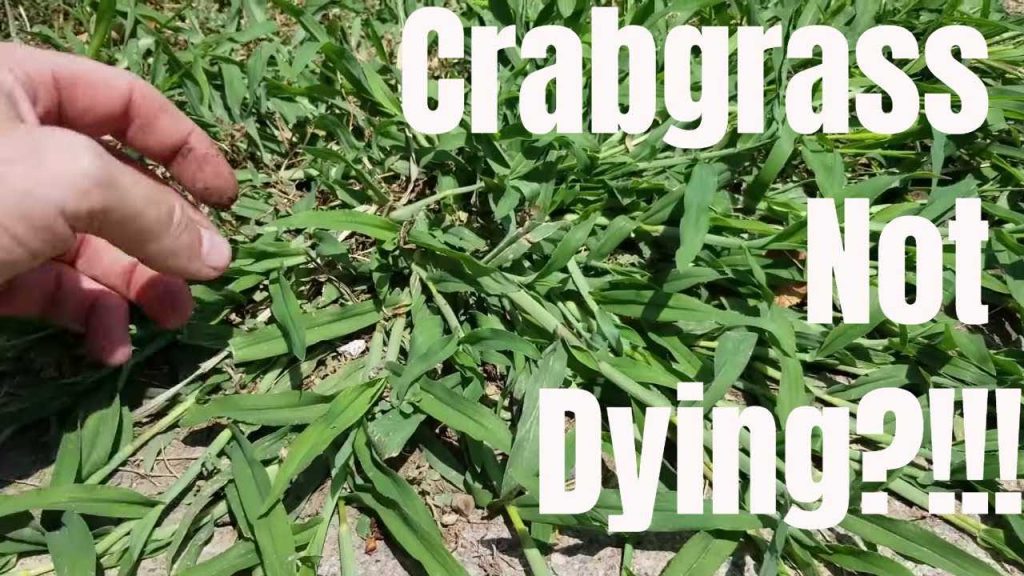
Quick Answer: Yes, crabgrass can be killed, but it requires consistent effort and proper management practices.
Crabgrass is a common and persistent weed that can quickly take over your lawn and ruin its appearance. Its ability to spread rapidly makes it a challenging adversary for many homeowners. However, with the right approach and some patience, you can effectively kill crabgrass and regain control over your lawn.
In this article, we will explore proven methods to combat crabgrass and offer practical tips to prevent its regrowth. From manual removal to herbicides and lawn care practices, we will cover various strategies that can help you eliminate this stubborn weed.
So, if you’ve been wondering whether crabgrass can be killed and seeking effective solutions, keep reading to learn how to reclaim your lawn from this pesky intruder. Let’s dive in!

Can Crabgrass Be Killed?
Crabgrass is a stubborn weed that can quickly take over your lawn and ruin its appearance. If you’re dealing with a crabgrass infestation, you’re probably wondering if there’s a way to get rid of it for good. The good news is, yes, crabgrass can be killed. In this article, we’ll explore various methods and strategies to effectively eradicate crabgrass and prevent it from reappearing in your yard.
The Importance of Early Detection and Prevention
When it comes to dealing with crabgrass, early detection and prevention are key. The best time to address crabgrass is before it has a chance to spread and establish its roots. Here are some steps you can take to prevent crabgrass from taking over your lawn:
- Maintain a healthy lawn: A thick, healthy lawn is less susceptible to crabgrass. Regularly fertilize, water, and mow your lawn to promote strong and dense grass growth.
- Mow at the correct height: Set your lawnmower blades to the recommended height for your grass type. Cutting the grass too short can create bare patches that crabgrass can easily invade.
- Overseed your lawn: Overseeding helps fill in thin areas and reduces the chances of crabgrass taking hold. Choose a grass seed mixture that is compatible with your existing lawn.
- Avoid excessive watering: Too much water can promote crabgrass growth. Water your lawn deeply and infrequently to encourage deep root growth in your desired grass species.
- Use a pre-emergent herbicide: Pre-emergent herbicides create a barrier that prevents crabgrass seeds from germinating. Apply them in early spring before the soil temperature reaches 55-60°F (13-16°C).
Effective Methods for Killing Crabgrass
If you’ve already discovered crabgrass in your lawn, don’t panic. There are several methods you can employ to kill crabgrass and restore the health and beauty of your yard. Let’s explore these options:
Hand Pulling
Hand pulling is a labor-intensive but effective method for removing crabgrass. Here’s how you can do it:
- Identify the crabgrass: Look for the telltale signs of crabgrass, such as its light green color, wide blades, and crab-like appearance.
- Moisten the soil: Water the area where the crabgrass is growing to loosen the soil and make it easier to pull out the roots.
- Gently pull out the crabgrass: Grasp the base of the weed near the soil level and pull it out using a firm, steady motion. Make sure to remove the entire root system.
- Dispose of the crabgrass: Place the pulled crabgrass in a bag and dispose of it to prevent reseeding.
Herbicides
Herbicides can be an effective tool for killing crabgrass, but it’s essential to choose the right product and apply it correctly. Here are some key points to keep in mind:
- Select a post-emergent herbicide: Post-emergent herbicides are designed to kill actively growing crabgrass. Look for a selective herbicide that targets crabgrass and not your desired grass species.
- Read and follow the instructions: Carefully read the herbicide label and follow the recommended dosage and application instructions. Applying too much can damage your lawn, while applying too little may be ineffective.
- Timing is crucial: Apply the herbicide when the crabgrass is actively growing and in its early stages. It’s best to do this during the summer months when crabgrass is most vulnerable.
- Consider spot treatment: If you have a small area of infestation, spot-treating the crabgrass with a non-selective herbicide can be an efficient and cost-effective method.
Natural and Organic Control Methods
If you prefer to avoid chemical herbicides, there are natural and organic methods you can try to kill crabgrass. While these methods may take longer to show results, they can be effective in the long run. Here are some options:
- Vinegar: Spray undiluted white vinegar directly onto the crabgrass to kill it. Repeat as necessary, being careful not to spray your desired plants.
- Boiling water: Pour boiling water over the crabgrass to scorch and kill it. This method may require multiple applications.
- Corn gluten meal: Apply corn gluten meal in early spring or late summer to prevent crabgrass seeds from germinating. This organic product acts as a natural pre-emergent herbicide.
- Manual removal: Similar to hand pulling, manually removing crabgrass can be effective if done consistently and thoroughly.
Keeping Crabgrass at Bay
Killing crabgrass is only part of the battle. To ensure it doesn’t return, you need to implement proper lawn care practices and ongoing maintenance. Here are some tips for keeping crabgrass at bay:
- Maintain a regular mowing schedule: Keep your grass at the recommended height for your grass type to prevent crabgrass from taking over.
- Water your lawn correctly: Water deeply and infrequently to encourage deep root growth in your desired grass species and discourage crabgrass growth.
- Fill in bare patches: Promptly fill in any bare patches in your lawn to prevent crabgrass from finding a space to invade.
- Regularly weed and inspect your lawn: Stay vigilant and promptly remove any new crabgrass plants that may appear.
- Consider professional lawn care services: If you’re struggling to control crabgrass on your own, hiring a professional lawn care service can help ensure your lawn stays crabgrass-free.
Remember, effective crabgrass control requires a combination of prevention, early detection, and consistent maintenance. By following these strategies and utilizing the appropriate methods, you can successfully eliminate crabgrass and enjoy a lush, weed-free lawn.
How to Get Rid of Crabgrass (4 Easy Steps)
Frequently Asked Questions
How can I effectively kill crabgrass?
Crabgrass can be effectively killed by following these steps:
What is the best time to treat crabgrass?
The best time to treat crabgrass is in the spring when the soil temperature reaches around 55 to 60 degrees Fahrenheit. Treating crabgrass during this time ensures that the herbicides are most effective in killing the weeds.
Which herbicides are effective in eliminating crabgrass?
There are several herbicides available that are effective in eliminating crabgrass. Some popular options include products containing ingredients like fenoxaprop, dithiopyr, quinclorac, or mesotrione. It’s essential to carefully read and follow the instructions on the label of the chosen herbicide for optimal results.
Can I remove crabgrass manually?
While manual removal of crabgrass can be an option for small infestations, it may not be effective for larger areas. It’s crucial to ensure that the entire root system is removed to prevent regrowth. However, combining manual removal with herbicide treatment is often the most effective approach.
How can I prevent crabgrass from spreading?
To prevent crabgrass from spreading, it’s important to maintain a healthy and thick lawn by following these practices:
- Mow the grass at the appropriate height
- Aerate the lawn regularly
- Water deeply and infrequently
- Fertilize properly
- Overseed thin or bare areas
Can I prevent crabgrass from returning after treatment?
Absolutely! To prevent crabgrass from returning after treatment, it’s crucial to maintain a proper lawn care regimen. This includes regular mowing, adequate watering, fertilizing as needed, and performing preventive applications of pre-emergent herbicides in early spring. Maintaining a healthy lawn will make it less susceptible to crabgrass and other weeds.
Final Thoughts
Crabgrass, a nuisance for many homeowners, can indeed be eliminated. Regular mowing and proper watering will help weaken the crabgrass, but it may not be enough to completely eradicate it. Utilizing pre-emergent herbicides in early spring can prevent crabgrass from germinating, while post-emergent herbicides can be applied directly to existing crabgrass. However, it is crucial to follow the instructions and safety guidelines provided by the manufacturer. Additionally, manual removal is effective for small infestations. So, can crabgrass be killed? Yes, with a combination of preventative measures, herbicides, and diligent maintenance, it is possible to overcome this pesky weed.