Quick Answer: Yes, applying crabgrass preventer in the fall can be an effective solution to keep this pesky weed at bay.
Introduction:
As the seasons change and the temperatures cool down, you may think that your battle against weeds in your lawn is over. However, one particular weed that can still cause headaches in the fall is crabgrass. Known for its ability to quickly take over lawns and ruin their beauty, crabgrass requires some preventive measures to ensure you have a lush, weed-free lawn.
In this blog article, we will address the question, “Can I apply crabgrass preventer in the fall?” We will explore why fall is actually a crucial time to tackle crabgrass and discuss the benefits of using a crabgrass preventer during this season. So, if you want to maintain a vibrant and weed-free lawn, keep reading to find out why fall may be the perfect time to apply a crabgrass preventer.

Can I Apply Crabgrass Preventer in the Fall?
Understanding Crabgrass Preventer
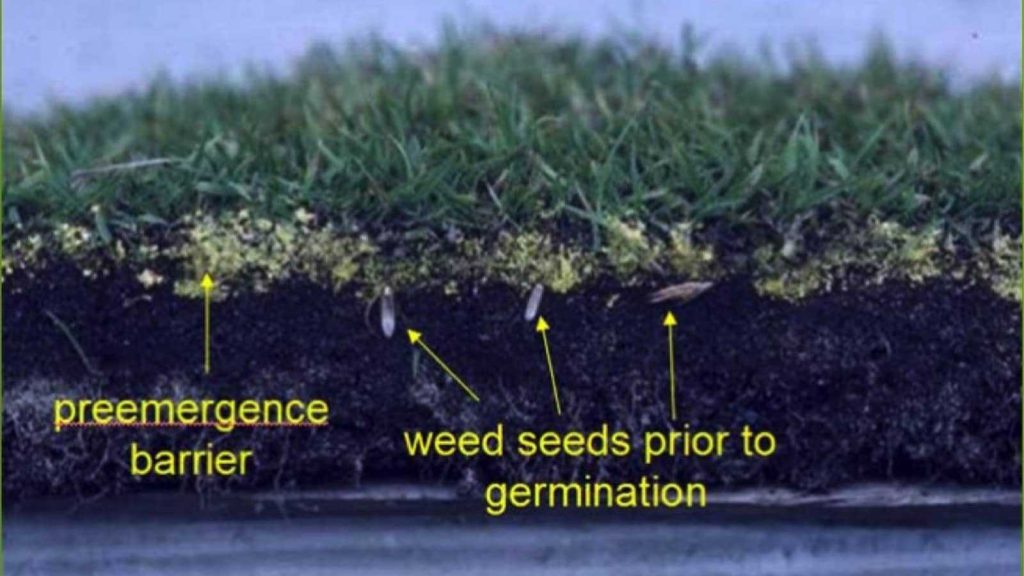
Crabgrass can be one of the most frustrating weeds to deal with in your lawn. Its ability to quickly spread and overtake your grass can leave your lawn looking unsightly and difficult to manage. To combat this invasive weed, many homeowners turn to crabgrass preventers. These products are designed to inhibit the growth and germination of crabgrass seeds, effectively keeping them at bay.
Typically, crabgrass preventers are applied in the spring before the weed has a chance to grow and spread. However, many people wonder if they can also apply crabgrass preventer in the fall to further protect their lawn from this pesky weed. Let’s delve into this topic and explore whether applying crabgrass preventer in the fall is a good idea.
The Fall Crabgrass Prevention Debate
There is some debate among lawn care experts regarding the effectiveness of applying crabgrass preventer in the fall. Some argue that the fall is an ideal time to apply these products, while others believe that spring application is sufficient. Let’s take a closer look at both sides of the argument.
Arguments for Fall Application
1. Extended Protection: Applying crabgrass preventer in the fall provides an additional barrier of protection for your lawn, especially in regions with long growing seasons. This extra layer of prevention can help control any late-germinating crabgrass seeds that may have escaped spring treatments.
2. Targeting Winter Annuals: Fall application of crabgrass preventer can help to control winter annual weeds, such as annual bluegrass and annual ryegrass, which tend to germinate in the fall. These weeds can compete with your lawn and cause further issues if left unchecked.
3. Early Spring Emergence: Crabgrass seeds can begin germinating as early as late winter or early spring, depending on the weather conditions in your area. By applying preventer in the fall, you can create a barrier that lasts throughout the winter and early spring, providing early protection against germinating weed seeds.
Arguments against Fall Application
1. Less Effective: Some experts argue that fall application of crabgrass preventer may not be as effective as spring application. They believe that the preventer’s active ingredients may break down over time, reducing its efficacy by the time spring arrives.
2. Timing Challenges: Timing is crucial when it comes to applying crabgrass preventer in the fall. The preventer should be applied before the first hard frost but after the peak period of summer heat. Determining the optimal time can be challenging and may vary depending on your location and weather patterns.
Factors to Consider
While the debate continues, there are several factors you should consider before deciding whether to apply crabgrass preventer in the fall.
1. Climate: Understanding your region’s climate is vital. Fall application may be more beneficial in areas with longer growing seasons and milder winters, while spring application may suffice in regions with shorter growing seasons and harsh winters.
2. Lawn Condition: Assess the condition of your lawn. If you have a healthy and well-maintained lawn with minimal crabgrass issues, spring application alone may be enough. However, if you frequently battle crabgrass or have a history of infestations, fall application could provide added protection.
3. Product Choice: Not all crabgrass preventers are suitable for fall application. Read the label carefully and choose a product specifically formulated for fall use. These products often contain different active ingredients or have modified application instructions to ensure effectiveness during this period.
While the debate over fall application of crabgrass preventer continues, the decision ultimately depends on your specific lawn conditions and regional climate. Carefully consider the arguments for and against fall application as well as the factors mentioned above. Consulting with a local lawn care professional can also provide valuable insight tailored to your specific circumstances.
Remember, proper lawn maintenance practices such as regular mowing, adequate watering, and appropriate fertilization can also significantly contribute to a weed-free lawn. By combining preventative measures with overall lawn care, you can keep crabgrass at bay and enjoy a healthy, lush lawn throughout the year.
When to put down crabgrass preventer
Frequently Asked Questions
Can I apply crabgrass preventer in the fall?
Yes, applying crabgrass preventer in the fall can be an effective way to control and prevent crabgrass growth in your lawn. However, there are certain factors to consider before applying it.
When is the best time to apply crabgrass preventer in the fall?
The ideal time to apply crabgrass preventer in the fall is when the soil temperature remains consistently between 50-55°F (10-13°C). This usually occurs around late summer to early fall, depending on your region.
How does crabgrass preventer work?
Crabgrass preventer works by creating a barrier on the soil surface. When applied correctly, it forms a protective layer that stops crabgrass seeds from germinating and growing. It can provide season-long control if applied at the right time.
What are the benefits of applying crabgrass preventer in the fall?
Applying crabgrass preventer in the fall has several advantages. It helps to control any existing crabgrass seeds that may be present in the soil and prevents new crabgrass from emerging in the following spring. This proactive approach can save you time and effort in dealing with crabgrass issues later on.
Are there any precautions I should take when applying crabgrass preventer in the fall?
Yes, there are a few precautions to keep in mind. Avoid applying crabgrass preventer if you have recently seeded or overseeded your lawn, as it can inhibit the growth of desired grasses as well. Also, make sure to follow the instructions on the product label regarding application rate and any specific timing recommendations.
Can I apply crabgrass preventer in the fall if I live in a warmer climate?
If you live in a warmer climate where the soil temperature remains above 55°F (13°C) during the fall, it might not be the most effective time to apply crabgrass preventer. In such cases, it’s recommended to consult with a local lawn care expert to determine the best timing for applying crabgrass preventer in your specific region.
Final Thoughts
Applying crabgrass preventer in the fall is a wise decision to protect your lawn from this stubborn weed. By applying the preventer in the fall, you create a barrier that stops crabgrass seeds from germinating in the spring. This proactive approach saves you time and effort in dealing with crabgrass later on. Remember to carefully follow the instructions on the product and apply evenly. Applying crabgrass preventer in the fall is a crucial step to maintaining a healthy and weed-free lawn. Don’t hesitate to take this important preventive measure!