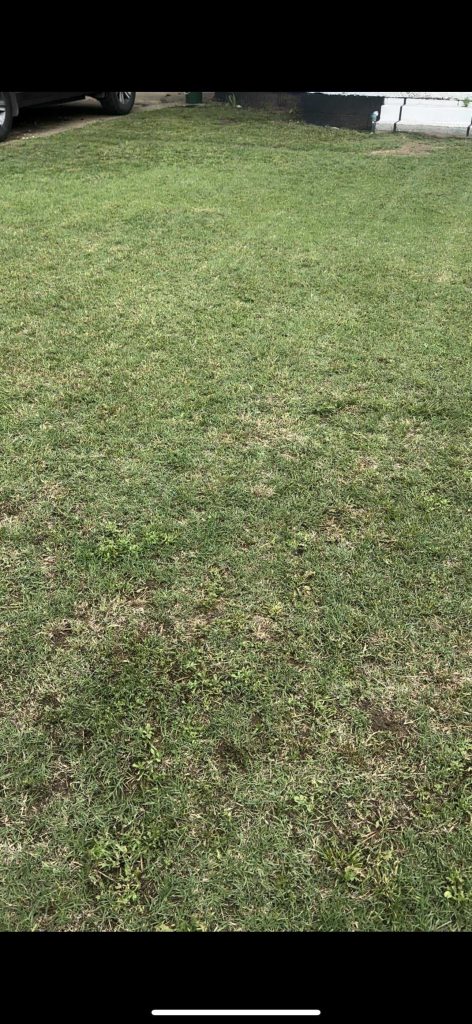
Yes, Bermuda grass can choke out weeds effectively. This hardy, fast-growing grass is often favored for lawns and sports fields due to its thick growth habit, which can create a dense carpet that limits the sunlight and nutrients available to weeds. When properly maintained, Bermuda grass can outcompete many common weeds, making it a popular choice for those looking to achieve a lush, green lawn with minimal weed problems. However, it’s essential to properly care for and establish Bermuda grass to maximize its weed-suppressing abilities. With the right fertilization, watering, and mowing practices, you can enjoy a beautiful lawn that thrives while keeping pesky weeds at bay. Let’s dive deeper into how you can utilize Bermuda grass for a weed-free yard.

“`html
Can Bermuda Grass Choke Out Weeds?
Bermuda grass is a popular choice for lawns, especially in warmer regions. It grows thick and lush, creating a vibrant green carpet. One of the major benefits of Bermuda grass is its ability to compete against common weeds. Many homeowners wonder if Bermuda grass can truly choke out weeds, and the answer leans towards yes. However, the effectiveness of Bermuda grass in weed control depends on several factors.
Understanding Bermuda Grass
Bermuda grass (Cynodon dactylon) is a warm-season grass native to Africa. It thrives in sunny conditions, making it an ideal choice for southern climates. Here are some key features of Bermuda grass:
- Rapid growth: Bermuda grass grows quickly, establishing itself in just a few weeks.
- Drought-resistant: Once established, it requires less water compared to other grass varieties.
- Durability: Bermuda grass can withstand heavy foot traffic, making it perfect for lawns and sports fields.
This grass establishes a dense turf that can inhibit weed growth. Understanding its growth habits is crucial for homeowners looking to create a lush, weed-free lawn.
How Does Bermuda Grass Prevent Weeds?
Bermuda grass can choke out weeds in several ways. Here’s how:
- Dense Growth: The thick mat of Bermuda grass leaves little room for weeds to germinate.
- Light Competition: As a fast-growing grass, Bermuda absorbs sunlight, which weeds need to thrive.
- Nutrient Absorption: Bermuda grass utilizes nutrients in the soil, depriving weeds of essential resources.
These characteristics make Bermuda grass a formidable opponent against weeds. When planted correctly, it provides a natural defense against unwanted plants.
The Best Conditions for Bermuda Grass
To maximize the weed-fighting potential of Bermuda grass, it needs the right conditions. Here are some factors to consider:
Soil Quality
Bermuda grass prefers well-draining soil rich in nutrients. Conducting a soil test can help you understand its pH and nutrient levels.
Sunlight
Bermuda grass thrives in full sun, needing at least six hours of sunlight each day. Less sunlight can weaken the grass and allow weeds to creep in.
Watering Practices
While Bermuda grass is drought-tolerant, it benefits from regular watering, especially during the establishment phase. Deep watering encourages deep root growth, making it more competitive against weeds.
Weeds Commonly Found in Bermuda Grass Lawns
Bermuda grass can fight a variety of weeds, but some are more problematic than others. Here are a few common offenders:
- Crabgrass: A summer annual weed that germinates in warm weather.
- Dandelion: This perennial weed can pop up in any lawn, providing competition for nutrients.
- Chickweed: Another perennial, it thrives in cooler temperatures and can spread quickly.
Understanding these weeds can help you take proactive measures to control them.
Best Practices for Maintaining Bermuda Grass
Maintaining Bermuda grass isn’t just about watering. To ensure it outcompetes weeds, follow these tips:
Proper Mowing
Mow Bermuda grass at a height of 1 to 2 inches. This height encourages healthy growth while preventing weeds from getting the sunlight they need.
Fertilization
Fertilize your Bermuda grass during the growing season. Using a nitrogen-rich fertilizer can boost growth and help the grass outcompete weeds.
Weed Control Techniques
Regularly monitor for weeds and remove them by hand or with a hoe. You can also apply a pre-emergent herbicide to prevent weed seeds from germinating.
When Weeds Do Overwhelm Bermuda Grass
Even with Bermuda grass’s competitive edge, weeds can sometimes take over. In such cases, here’s what you can do:
- Identify the Weeds: Knowing what types of weeds you are dealing with can help you choose the right control method.
- Use Herbicides: Selective herbicides can target specific weeds while preserving Bermuda grass.
- Reseed: If the grass is sparse due to weed competition, consider reseeding to strengthen the lawn.
Taking action promptly can prevent weeds from establishing a foothold in your lawn.
Benefits of Choosing Bermuda Grass
Opting for Bermuda grass not only helps in weed control but also offers several other advantages:
- Quick Establishment: Ideal for homeowners who want a fast turnaround.
- Attractive Appearance: Its vibrant color enhances the aesthetic appeal of any lawn.
- Environmental Benefits: Healthy grass can improve air quality and support local wildlife.
These benefits make Bermuda grass an excellent choice for lawn enthusiasts.
Seasonal Considerations
Understanding the seasonal needs of Bermuda grass can optimize its growth and weed resistance.
Spring Care
In spring, focus on getting Bermuda grass off to a strong start. Fertilize and monitor for any early weeds that may emerge.
Summer Maintenance
During the hot months, ensure adequate watering. This is crucial for keeping Bermuda grass competitive against summer weeds.
Fall Preparations
As temperatures drop, consider overseeding with a cool-season grass if you live in a transitional zone. This can maintain lawn health while Bermuda grass dormancy sets in.
Bermuda grass is generally effective at choking out weeds, but it requires proper care and maintenance. By understanding its growth habits and following best practices, homeowners can create a lush, green lawn that minimizes the impact of weeds. With consistent attention to soil quality, sunlight, and watering, Bermuda grass can thrive and maintain its competitive edge against unwanted plants.
“`
Getting Rid of Weeds in your Bermuda Grass for Beginners
Frequently Asked Questions
“`html
How does Bermuda grass compete with weeds?
Bermuda grass grows aggressively, establishing a dense turf that outcompetes many weeds for sunlight, nutrients, and water. Its rapid growth allows it to fill in bare spots quickly, leaving little room for weeds to take hold.
What conditions favor Bermuda grass over weeds?
Bermuda grass thrives in warm temperatures and requires full sun. When you maintain proper watering and fertilization, it grows stronger and healthier, making it less susceptible to weed invasion. Additionally, mowing at the correct height encourages a thick lawn that shades out weeds.
Can maintaining a healthy Bermuda grass lawn reduce weed growth?
Yes, maintaining a healthy Bermuda grass lawn significantly reduces weed growth. Regularly mowing, watering, and fertilizing your Bermuda grass helps create a lush environment that inhibits weed establishment and spread.
What role does soil quality play in preventing weeds with Bermuda grass?
Soil quality significantly impacts the health of Bermuda grass and its ability to suppress weeds. Well-aerated, nutrient-rich soil promotes robust grass growth, which helps outcompete weeds. Testing and amending the soil as needed can enhance Bermuda grass performance and reduce weed issues.
How does mowing affect Bermuda grass’s ability to outcompete weeds?
Mowing at the right height is crucial for Bermuda grass. Keeping the grass at a height of about 1 to 2 inches encourages a denser turf, allowing it to choke out weeds effectively. Mowing too low can stress the grass and make it more susceptible to weed infiltration.
“`
Final Thoughts
Bermuda grass can effectively choke out weeds due to its dense growth and aggressive spreading. This grass variety establishes quickly and fills in bare spots, minimizing the opportunity for weeds to take root.
Maintaining healthy Bermuda grass through proper mowing, watering, and fertilization further enhances its ability to outcompete weeds. With consistent care, you can maximize your lawn’s potential.
In summary, yes, Bermuda grass can choke out weeds when properly maintained, making it a suitable choice for those looking to achieve a lush, weed-free lawn.