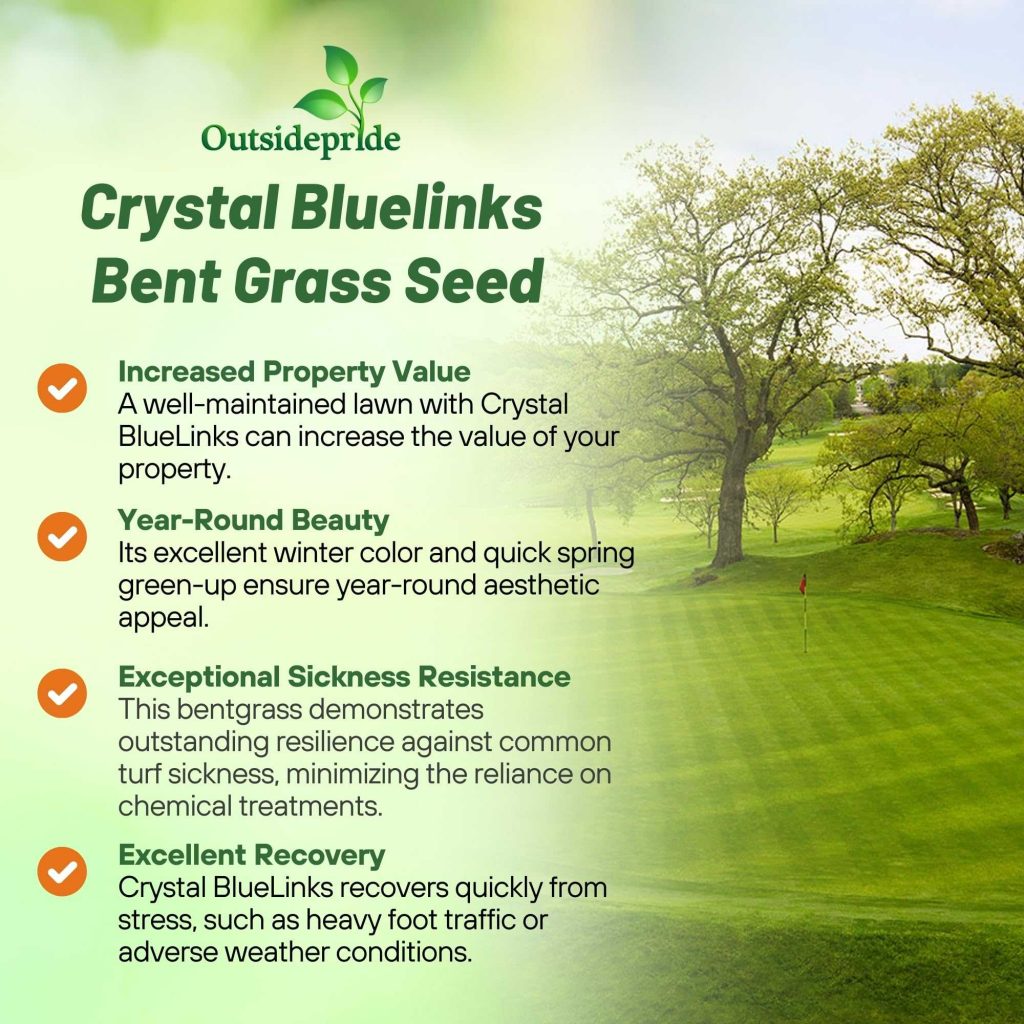
Yes, bentgrass can survive in hot climates, but it requires proper care and attention. This adaptable turfgrass variety, known for its lush green appearance, can struggle in extreme heat if not managed correctly. To thrive in warmer temperatures, bentgrass needs adequate hydration, shade, and regular maintenance practices such as proper mowing and fertilization. Understanding the specific needs of bentgrass in hot weather can significantly improve its resilience and appearance. For homeowners and golf course managers alike, learning how to adjust care routines during the hotter months is key to keeping bentgrass healthy and vibrant. Let’s dive deeper into the best strategies for maintaining bentgrass in sunny, warm environments and ensuring it remains a beautiful part of your landscape.

Can Bentgrass Survive in Hot Climates?
Bentgrass is a popular choice for many lawns and golf courses due to its lush appearance and fine texture. But a question that often arises is, **can bentgrass survive in hot climates?** The answer is not straightforward, as many factors influence bentgrass’s ability to thrive in warmer temperatures. In this article, we will explore the characteristics of bentgrass, its adaptability, and the management practices necessary for its survival in hot environments.
Understanding Bentgrass
Bentgrass, scientifically known as *Agrostis*, consists of various species, each with unique traits. These grasses are generally known for their fine blades and dense growth.
- Common varieties include creeping bentgrass (*Agrostis stolonifera*) and colonial bentgrass (*Agrostis capillaris*).
- They are often used on golf courses, athletic fields, and residential lawns.
Bentgrass thrives in cooler climates, making it a popular choice in northern regions. However, its ability to endure high heat is a topic of discussion.
Heat Stress in Bentgrass
Heat stress occurs when bentgrass experiences higher temperatures than it can handle. This stress can lead to several issues, including:
- Color loss and browning of grass blades.
- Decreased growth and potential death of grass.
During summer months or in hot climates, bentgrass is susceptible to these challenges. Understanding how to manage heat stress is crucial for maintaining healthy bentgrass.
Factors Influencing Survival
Several factors play a role in the survival of bentgrass in hot climates. Here’s a closer look:
Soil Type
Soil plays a significant role in bentgrass survival. Sandy soils, for example, drain quickly but may require frequent watering. In contrast, clay soils retain moisture longer but can lead to poor aeration.
Consider the following tips for soil management:
- Test soil pH and adjust as necessary.
- Ensure proper drainage to avoid waterlogging.
Watering Practices
Watering is vital for bentgrass, especially in hot conditions. Adequate moisture helps the grass manage heat stress.
Here are some effective irrigation strategies:
- Water deeply but infrequently. This encourages deeper root growth.
- Water early in the morning to reduce evaporation.
Fertilization Considerations
Proper fertilization promotes healthy growth and helps bentgrass withstand heat. Nutrients, particularly nitrogen, support robust growth.
- Choose slow-release fertilizers to provide nutrients over time.
- Avoid over-fertilization, as it can lead to excessive growth that is more susceptible to heat stress.
Choosing the Right Variety
Not all bentgrass varieties perform the same under heat. Selecting a variety specifically bred for warmer conditions can significantly impact success.
Consider these heat-tolerant bentgrass varieties:
- Creeping bentgrass (*Agrostis stolonifera*): While traditionally cool-season, some cultivars show adaptability to heat.
- Colonial bentgrass (*Agrostis capillaris*): Generally more heat-tolerant than creeping bentgrass.
Researching and planting these varieties can improve the chances of survival in hot climates.
Maintenance Practices for Hot Climates
Implementation of proper maintenance practices can enhance bentgrass’s ability to thrive in hot settings.
Mowing Techniques
Mowing height is essential for bentgrass health. Keeping the grass slightly taller during summer helps shade the soil and retain moisture.
- Recommended mowing height is between 1 to 2 inches.
- Avoid cutting more than one-third of the grass blade at one time.
Aeration and Thatching Management
Aeration helps improve root development and overall health. It allows for better water and nutrient penetration.
- Consider aerating the lawn in the spring or early fall.
- Manage thatch, as excessive buildup can lead to heat stress.
Pest and Disease Management
In hot climates, bentgrass may be more susceptible to pests and diseases. Regular monitoring and management are necessary.
- Watch for signs of pests, such as grubs or beetles.
- Implement disease control measures, such as fungicides, if necessary.
Signs of Heat Stress and Recovery
Recognizing signs of heat stress is vital for intervention. Common indicators include:
- Discoloration: Grass may turn yellow or brown.
- Wilting: Grass blades appear droopy.
If you notice these signs, act quickly. Adjusting watering practices, increasing shade, or aerating can help recover bentgrass condition.
Alternatives to Bentgrass
If bentgrass does not thrive despite management efforts, consider alternative grasses that are better suited for heat.
Some suitable options include:
- Buffalo grass: Low maintenance and drought-resistant.
- Bermudagrass: Highly tolerant of heat and drought.
In conclusion, while bentgrass can struggle in hot climates, it is not impossible to manage effectively. By understanding its requirements, implementing proper care, and selecting the right varieties, bentgrass may survive and even thrive in warmer temperatures. If challenges persist, exploring alternative grass types may be the best option for a healthy and vibrant lawn. Always remember, consistent care and adaptability to climate conditions are key to a successful bentgrass lawn.
How to Grow Grass in Only a FEW Days #garden #lawncare #lawn #lawnmaintenance
Frequently Asked Questions
What factors affect bentgrass performance in high temperatures?
Bentgrass thrives best in cooler environments, but its performance in high temperatures largely depends on factors such as soil moisture, humidity, and maintenance practices. Adequate irrigation can help alleviate heat stress, while high humidity levels can provide some relief. Additionally, proper mowing heights and fertilization can strengthen the grass, making it more resilient to heat.
Are there specific bentgrass varieties better suited for warm climates?
Yes, some bentgrass varieties are more heat-tolerant than others. Varieties like ‘Penn A-4’ and ‘Penn G-2’ have shown improved heat and drought resistance. When selecting bentgrass for warmer areas, consider these heat-tolerant cultivars that may perform better than the standard types.
How can I maintain bentgrass during hot weather?
To maintain bentgrass during hot weather, consider increasing the frequency of irrigation to keep the soil consistently moist. Mowing at a higher height can help the turf retain moisture and improve shade coverage. Additionally, apply a balanced fertilizer to promote overall health, and avoid heavy traffic on the grass during peak heat to minimize stress.
Can bentgrass recover from heat stress?
Yes, bentgrass can recover from heat stress if provided the right conditions. Timely irrigation, proper fertilization, and shade from trees or structures can help the grass bounce back. Allowing the turf to rest and avoiding further stress, such as heavy traffic or cutting during peak heat, will enhance recovery potential.
What signs indicate that bentgrass is struggling in the heat?
Signs of struggling bentgrass include discoloration, wilting, and an overall thinning of the lawn. You may also notice increased susceptibility to diseases and pests during high temperatures. Observing these symptoms signals the need for immediate intervention, such as adjusting irrigation schedules and enhancing turf care practices.
Final Thoughts
Bentgrass can struggle in hot climates, as it thrives in cooler temperatures and requires consistent moisture. When temperatures rise, bentgrass may experience stress, leading to browning and increased susceptibility to pests and diseases.
To keep bentgrass healthy in warm conditions, proper irrigation and shade can help mitigate heat impact. Furthermore, choosing heat-resistant varieties may enhance survival chances in hotter regions.
In conclusion, while challenges exist, with appropriate care and management, bentgrass can survive in hot climates, making it a viable option in some areas if properly maintained.