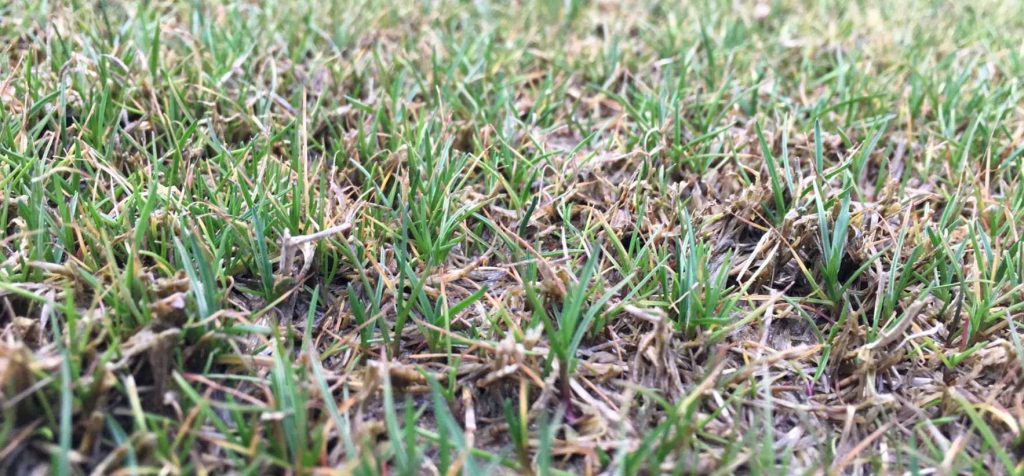
If you’re searching for the best Kentucky bluegrass for the transition zone, you’ve come to the right place. The key is finding a variety that thrives in areas with varying temperatures and moisture levels, ensuring a lush, green lawn year-round. The top choice for this challenging region is a Kentucky bluegrass cultivar that offers excellent cold tolerance, disease resistance, and fine texture, making it perfect for transition zones.
In short, the best Kentucky bluegrass for the transition zone is a type that balances durability and adaptability to changing conditions. Varieties like ‘Midnight’ or ‘Merion’ are highly recommended because they establish quickly and stay resilient through seasonal shifts. Selecting the right grass can transform your lawn into a vibrant lush carpet that withstands the unique climate challenges of the transition zone.
When it comes to maintaining a beautiful lawn in the transition zone, choosing the appropriate Kentucky bluegrass is crucial. This region, characterized by its mix of northern and southern climate features, poses a unique challenge for lawn enthusiasts. The best Kentucky bluegrass for this area must be hardy enough to endure both cold winters and hot, humid summers, while also resisting pests and diseases. By selecting the right variety, you can create a durable, attractive, and sustainable lawn that thrives despite the climate swings. Understanding the specific needs of transition zone soil and weather patterns will help you make an informed decision and enjoy a lush green yard all year round.

Best Kentucky Bluegrass for Transition Zone
If you are searching for the ideal Kentucky Bluegrass for the transition zone, you need to understand the unique climate challenges of this area. The transition zone features a mix of warm and cold weather, making it tough for some grass types to thrive. Selecting the right Kentucky Bluegrass ensures your lawn stays lush, green, and healthy all year round.
Understanding the Transition Zone Climate
The transition zone stretches across parts of the southern United States. It experiences hot summers with temperatures often soaring above 90°F. Winters can dip below freezing, creating a tug-of-war between warm and cold weather conditions.
This climate requires grasses that can handle heat, droughts, and cold snaps. Kentucky Bluegrass, known for its lush appearance, is a popular choice but needs careful selection for optimal performance in this zone.
Characteristics of Perfect Kentucky Bluegrass for Transition Zone
The ideal Kentucky Bluegrass for the transition zone should possess several key traits. These include adaptability to fluctuating temperatures, good drought tolerance, disease resistance, and rapid recovery from damage. Additionally, it should maintain a vibrant green color throughout the growing season.
Such qualities make certain Kentucky Bluegrass varieties stand out from the rest in providing a resilient, attractive lawn in challenging climates.
Top Kentucky Bluegrass Varieties for Transition Zone
1. Midnight Kentucky Bluegrass
Midnight is a popular choice because of its deep green color and fine texture. It has good cold tolerance and adapts well to the fluctuating temperatures in the transition zone. Its dense growth helps prevent weed invasion and reduces the need for frequent mowing.
2. Blue Moon Kentucky Bluegrass
Blue Moon offers excellent drought resistance and disease resistance. It remains lush and green even during dry, hot summers. Its rapid establishment makes it suitable for homeowners wanting a quick return to a beautiful lawn.
3. Baron Kentucky Bluegrass
Baron is known for its cold tolerance and ability to bounce back after foot traffic or damage. It is a great choice for lawns that endure seasonal stress and needs minimal fertilization to maintain its vigor.
Factors to Consider Before Choosing Kentucky Bluegrass
- Soil Type: Kentucky Bluegrass performs best in well-drained, fertile soils. Conduct soil testing to determine pH and nutrient levels.
- Sunlight Exposure: Most varieties require at least 4 to 6 hours of direct sunlight daily for optimal growth.
- Watering Needs: While establishing your lawn, consistent watering is essential. Once established, select drought-tolerant varieties to reduce water use.
- Sun and Shade Tolerance: Some Kentucky Bluegrass varieties do better in shaded areas, while others thrive in full sun.
Planting Tips for the Best Results
Proper planting techniques can make a huge difference. Use high-quality seed and follow recommended seeding rates to ensure dense coverage. Spring or early fall is the best time for planting in the transition zone, avoiding peak summer heat.
Prepare your soil by removing weeds and loosening the topsoil. Applying a starter fertilizer helps the new grass establish quickly. Keep the soil moist during the germination period for best results.
Maintaining Kentucky Bluegrass in Transition Zone
Watering Practices
Consistent watering during the first few weeks promotes healthy root growth. Once established, Kentucky Bluegrass should be watered deeply but infrequently to encourage drought tolerance. Generally, aim for about 1 to 1.5 inches of water per week.
Mowing Guidelines
Maintain a mowing height of about 2.5 to 3 inches. Taller grass shades the soil, reducing weed growth and helping retain moisture. Avoid cutting more than one-third of the blade length at a time.
Fertilization
Feed your lawn with a balanced fertilizer in early spring and late summer. Avoid over-fertilizing, as it can cause disease and excessive growth that is prone to damage.
Pest and Disease Management
Watch out for common issues like dollar spot, powdery mildew, and chinch bugs. Choosing disease-resistant varieties and maintaining proper lawn care practices reduces the need for chemical interventions.
Additional Tips for a Healthy Transition Zone Lawn
- Aeration: Regular aeration helps improve soil health and water penetration.
- Overseeding: Overseeding in fall keeps the lawn dense and prevents weeds from establishing.
- Proper Soil Maintenance: Amend soil based on test results to optimize nutrient availability.
Related Topics to Enhance Your Lawn
- Alternative Grass Types for Transition Zone: Such as tall fescue or fine fescue, which may complement Kentucky Bluegrass.
- Water Conservation Tips: Drip irrigation and rainwater harvesting can reduce water use.
- Seasonal Lawn Care Schedule: Understanding what tasks to do in spring, summer, fall, and winter ensures your lawn stays healthy year-round.
Choosing the best Kentucky Bluegrass for your transition zone lawn involves understanding your climate, soil, and sunlight exposure. By selecting a variety suited for these conditions and following proper planting and maintenance practices, you will enjoy a lush, resilient lawn that adds beauty and value to your home.
Highly Recommended Transition Zone Seed Option! Is It Right For You?
Frequently Asked Questions
What are the key characteristics to look for in Kentucky bluegrass suitable for transition zones?
In transition zones, the best Kentucky bluegrass varieties should exhibit good cold tolerance, moderate drought resistance, and adaptability to both sun and shade. Look for cultivars that establish quickly, have fine to medium leaf texture, and demonstrate disease resistance. These qualities ensure the grass remains healthy and vibrant throughout seasonal changes common to transition zones.
How do soil conditions affect the selection of Kentucky bluegrass for transition areas?
Soil conditions play a critical role in choosing the right Kentucky bluegrass. Well-draining soils with balanced pH levels support healthy root development. For transition zones, selecting cultivars that tolerate a range of soil textures and pH levels can lead to better establishment and resilience. Conducting a soil test helps identify necessary amendments to optimize growing conditions for your chosen grass.
Can hybrid Kentucky bluegrass varieties perform better in transition zones compared to traditional types?
Yes, hybrid Kentucky bluegrass varieties often outperform traditional types in transition zones. These hybrids combine traits from different cultivars, offering enhanced cold tolerance, improved drought resistance, and quicker establishment. They adapt well to varying environmental conditions, making them a popular choice for homeowners seeking durable and low-maintenance lawns in transitional climates.
What maintenance practices can support the health of Kentucky bluegrass in transition zones?
Maintaining Kentucky bluegrass in transition zones involves regular watering, appropriate mowing heights, and fertilization schedules tailored to the grass’s needs. Aeration and overseeding help improve soil health and fill in bare spots. Applying suitable herbicides and fungicides prevents pests and diseases, ensuring the grass remains dense and healthy throughout seasonal shifts.
Final Thoughts
The best kentucky bluegrass for transition zone offers durability and adaptability, thriving in varying climate conditions. It provides a lush, green appearance with good shade tolerance, making it ideal for diverse landscapes. Selecting the right type ensures your lawn remains healthy and vibrant throughout the seasons.
In conclusion, choosing the best kentucky bluegrass for transition zone guarantees a resilient and beautiful lawn that withstands temperature fluctuations. This species balances quality and adaptability, making it a top choice for those in the transition zone.