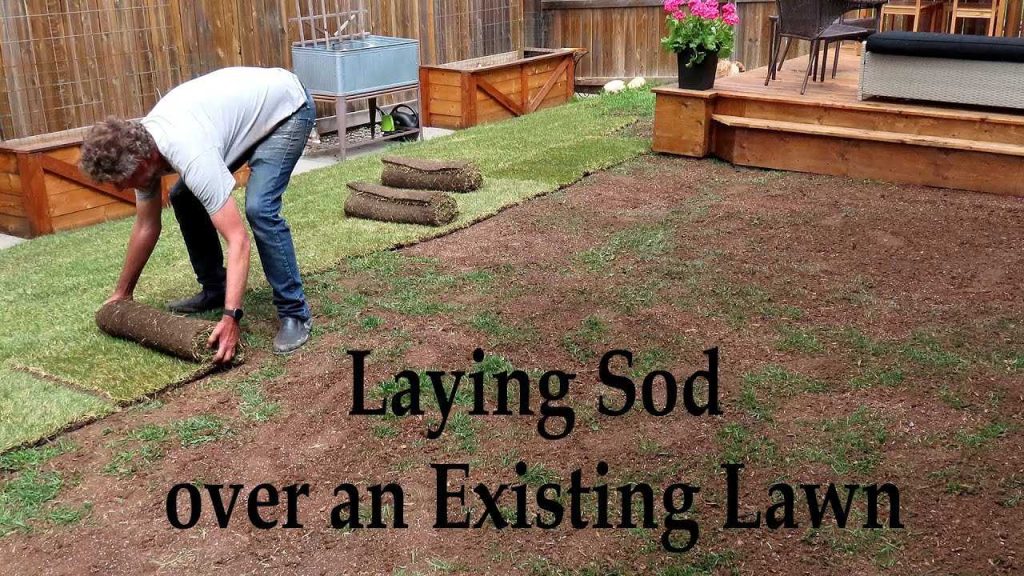
Quick Answer: The best way to lay sod on an existing lawn is to prepare the soil, remove any existing grass or weeds, level the surface, and lay the sod in a staggered pattern. Water the sod immediately after installation and continue to water it regularly to ensure proper root establishment.
Hey there! So, you want to know the best way to lay sod on your existing lawn, huh? Well, you’ve come to the right place! Laying sod can be a quick and effective way to achieve that lush, green lawn you’ve always dreamed of. In this article, we’ll guide you through the step-by-step process of laying sod on an existing lawn to ensure optimal results.
But before we dive into the nitty-gritty details, let’s start with the solution right away. The key steps to laying sod on an existing lawn include soil preparation, removal of existing grass or weeds, leveling the surface, and laying the sod in a staggered pattern. Watering the sod immediately after installation and ensuring proper irrigation thereafter is also crucial for successful establishment.
Now, let’s break it down further and explore each step in more detail.

Best Way to Lay Sod on Existing Lawn
The process of laying sod on an existing lawn can be a game-changer for your outdoor space. Whether you want to transform a patchy, unhealthy lawn or simply upgrade the overall look of your yard, laying new sod can provide an instant and dramatic improvement. However, it’s important to follow the best practices to ensure successful results. In this article, we will explore the step-by-step guide on the best way to lay sod on an existing lawn, addressing key subtopics such as preparing the lawn, choosing the right sod, and caring for the newly laid sod.
1. Assessing the Existing Lawn
Before laying new sod, it’s crucial to assess the condition of your existing lawn. This will help determine if sod is the right solution or if other lawn renovation methods might be more appropriate. Here are some factors to consider:
a. Soil Quality
Check the health and quality of your soil. Conduct a simple soil test to determine its pH level and nutrient composition. Sod thrives best in well-draining soil with a pH between 6 and 7, enriched with organic matter.
b. Weed and Pest Control
Inspect your lawn for weeds, pests, and diseases. Address any existing issues before laying sod to prevent them from affecting the new turf.
c. Sunlight and Shade
Observe the sunlight and shade patterns in your yard. Different types of sod have varying shade tolerance levels. Choose the appropriate sod variety that matches the lighting conditions of your lawn.
d. Drainage and Slope
Check for any drainage issues or uneven slopes on your existing lawn. Proper drainage is essential to avoid water pooling and potential damage to the new sod. Consider addressing any drainage problems before proceeding.
2. Preparing the Existing Lawn
Preparing the existing lawn is a crucial step to ensure the success of your sod installation. Follow these steps for optimal preparation:
a. Clear the Area
Remove any debris, rocks, sticks, or weeds from the lawn area. Rake the surface to create a smooth and even base.
b. Soil Amendments
If your soil lacks essential nutrients, consider adding organic matter such as compost or topsoil. Spread a layer of approximately 2-4 inches evenly across the lawn area and work it into the existing soil using a rake or garden tiller.
c. Leveling
Address any uneven surfaces or low spots in the existing lawn. Rake the area to ensure a flat and even surface, filling in any depressions with soil as needed.
d. Soil Compaction
For optimal sod growth, ensure the soil is not compacted. Use a garden fork or aerator to loosen the soil and improve its ability to absorb water and nutrients.
3. Selecting the Right Sod
Choosing the right sod for your lawn is crucial to achieve a healthy and visually appealing result. Consider the following factors when selecting sod:
a. Climate and Region
Different sod varieties thrive in different climates and regions. Research the best sod options suitable for your specific climate and region.
b. Grass Type
Select a grass variety that matches your lifestyle and lawn needs. Common types of grass for sod include Bermuda grass, Kentucky bluegrass, fescue, and zoysia grass.
c. Quality and Freshness
Ensure the sod you choose is of high quality and freshly harvested. Avoid sod that appears dry, yellowed, or has a strong odor.
4. Laying the Sod
Once you have prepared the existing lawn and selected the right sod, it’s time to lay the sod. Follow these steps for proper sod installation:
a. Start with Straight Edges
Begin by creating straight edges along driveways, walkways, and flower beds using a spade or other cutting tools. This will provide a clean and professional look.
b. Lay the First Row
Start laying sod along the straight edges, ensuring the pieces fit snugly together without overlapping or gaps. Stagger the seams in a brick-like pattern to avoid visible lines.
c. Cut and Shape
Cut and shape the sod pieces as needed using a sharp utility knife or sod cutter. Fill in smaller areas and curves with appropriately sized sod pieces.
d. Watering
Immediately after laying each section of sod, water it thoroughly. This will help settle the soil beneath and ensure good root-to-soil contact.
e. Rolling
Using a sod roller, gently roll over the newly laid sod to ensure firm contact between the roots and soil. This will aid in the establishment process.
f. Final Trimming
Once all the sod is laid and rolled, trim any excess sod along the edges using a sharp utility knife. This will provide a neat and finished appearance.
5. Caring for Newly Laid Sod
Proper care is essential for the successful establishment of the newly laid sod. Follow these tips to ensure your sod thrives:
a. Watering
Water the newly laid sod deeply and regularly to keep the soil consistently moist. Avoid overwatering, which can lead to shallow root growth and diseases.
b. Fertilization
Apply a slow-release, balanced fertilizer approximately six weeks after sod installation. Follow the manufacturer’s recommended application rates.
c. Mowing
Wait until the sod has rooted firmly before mowing for the first time. Set your mower to the recommended height for the specific grass variety and avoid cutting more than one-third of the grass blade length at a time.
d. Weed Control
Monitor the new sod for weed growth and promptly address any weed issues. Use appropriate herbicides or manually remove weeds to prevent them from competing with the new turf.
By following these steps and guidelines, you can ensure a successful sod installation and enjoy a lush, healthy lawn. Remember to adapt the process to your specific lawn conditions and seek professional advice if needed. With proper care and maintenance, your new sod will provide years of enjoyment and enhance the overall beauty of your outdoor space.
Way to Grow: Patch Up the Lawn With Sod | HGTV
Frequently Asked Questions
What is the best way to lay sod on an existing lawn?
The best way to lay sod on an existing lawn is by following these steps:
Can I lay sod directly over my existing grass?
No, it is not recommended to lay sod directly over your existing grass. The sod needs direct contact with the soil in order for it to establish properly. Therefore, it is necessary to prepare the soil before laying the sod.
How should I prepare the existing lawn before laying sod?
Prior to laying sod, you should prepare the existing lawn by mowing it as short as possible and removing any debris or weeds. It is also important to loosen the soil with a garden rake or rototiller to ensure good sod-to-soil contact.
Do I need to amend the soil before laying sod?
It is generally recommended to amend the soil before laying sod, especially if the existing soil is compacted or lacks nutrients. You can do this by spreading a layer of topsoil or compost over the area and mixing it into the existing soil.
How should I water the newly laid sod?
After laying the sod, water it immediately and thoroughly to ensure good root-to-soil contact. Keep the sod consistently moist during the first few weeks, watering it deeply and frequently. Gradually reduce the frequency of watering as the sod establishes and roots into the soil.
When is the best time to lay sod on an existing lawn?
The best time to lay sod on an existing lawn is during the cooler months of spring or fall. This allows the sod to establish roots before the extreme heat of summer or the frost of winter. However, with proper care and watering, sod can be laid at any time of the year.
Final Thoughts
The best way to lay sod on an existing lawn is to start by preparing the area properly. This involves removing any weeds or debris, aerating the soil, and ensuring it is well-watered before installation. Carefully measure and cut the sod to fit the lawn, ensuring it is flush with existing edges. After installation, water the sod thoroughly and keep it well-maintained with regular watering and fertilization. By following these steps, you can ensure a successful and healthy sod installation on your existing lawn.