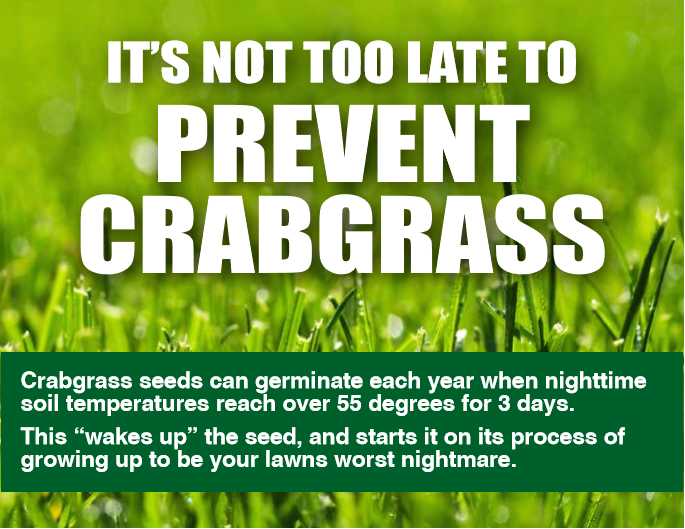
The best way to apply crabgrass preventer is to do so early in the spring before the crabgrass starts to germinate, ensuring a thick, healthy lawn that resists weeds. Using the right amount, spreading evenly, and watering afterward maximizes effectiveness and keeps your yard looking pristine. Proper application is key to preventing crabgrass from taking over your lawn, saving time and effort in weed control later on.
Applying crabgrass preventer properly involves timing, preparation, and technique. Start by choosing a high-quality preventer suited for your grass type. Apply it evenly across your lawn when soil temperatures reach around 55°F to 60°F, typically early spring. Use a broadcast spreader for uniform coverage and water the lawn lightly afterward to help the preventer soak into the soil. Avoid overlapping or applying too much, as this can harm your grass. Following these steps ensures your lawn stays weed-free and healthy throughout the growing season.

Best Way to Apply Crabgrass Preventer
Applying crabgrass preventer correctly is essential to keep your lawn healthy and free from unwanted weeds. The right method helps your grass grow thick and strong while stopping crabgrass from taking over. Let’s explore the most effective way to apply crabgrass preventer step by step.
Understanding Crabgrass Preventer
Crabgrass preventer, also called pre-emergent herbicide, works by stopping crabgrass seeds from germinating. It forms a barrier in the soil that prevents the seeds from sprouting. Timing is key for maximum effectiveness.
Timing Is Everything
The best time to apply crabgrass preventer is before the soil temperatures reach 55 to 60 degrees Fahrenheit. This usually occurs in early spring, about two to three weeks before crabgrass is expected to sprout. Keep an eye on local weather patterns and soil temperature reports.
Check Soil Temperature
Use a soil thermometer to measure the temperature at a depth of two inches. Consistent readings of 55 to 60 degrees indicate it’s time to apply preventer. Applying too early or too late reduces its effectiveness.
Preparing Your Lawn for Application
Before applying crabgrass preventer, clean your lawn thoroughly. Remove any debris such as leaves or sticks to ensure even distribution of the herbicide. Raking lightly helps loosen the soil surface for better absorption.
Water Your Lawn
A light watering a day before application helps moisture the soil, ensuring better contact between the preventer and the soil. Avoid overwatering, as excess water can wash away the herbicide.
Selecting the Right Crabgrass Preventer
Choose a preventer suitable for your grass type and lawn size. Read product labels carefully to confirm it contains the active ingredient, such as pendimethalin or prodiamine. Use a product labeled for residential lawns for safety and effectiveness.
Measuring and Loading Your Spreader
Use a broadcast or drop spreader for even coverage. Calibrate your spreader according to the manufacturer’s instructions. Filling it properly prevents over-application or missed spots.
Application Techniques for Best Results
Applying evenly is crucial to prevent patches of weed growth. Walk slowly and steadily across your lawn, overlapping passes slightly to cover all areas. Do not apply when it’s windy, to avoid drifting onto non-target plants.
Applying in Ideal Weather Conditions
Choose a day with no rain forecast for at least 24 hours after application. Windy days can cause uneven distribution, while rain soon after application can wash away the preventer, reducing its effectiveness.
Post-Application Care
After applying, water your lawn lightly to help the preventer settle into the soil, unless heavy rain is expected within the next 24 hours. Maintain regular lawn care routines like mowing and watering.
Effects of Proper Watering
Watering helps activate the herbicide and ensures thorough soil penetration. Avoid overwatering, which can dilute the preventer or lead to runoff.
Additional Tips for Success
- Avoid fertilizing immediately after preventer application as this can interfere with herbicide absorption.
- Apply in the early morning or late afternoon to reduce the risk of evaporation and wind drift.
- Use protective gear such as gloves and masks when applying chemicals to keep yourself safe.
Common Mistakes to Avoid
Applying preventer too late in the season allows crabgrass seeds to sprout. Also, skipping the watering step can decrease the herbicide’s effectiveness. Never use expired or incompatible products to prevent damage.
Maintaining a Healthy Lawn
To complement your crabgrass preventer, keep your lawn thick and healthy through proper mowing, watering, and fertilizing. A dense lawn crowds out weeds naturally and reduces the chances of crabgrass invasion.
Related Topics
Consider overseeding bare spots, aerating your soil to improve root health, and controlling other weeds to keep your lawn in top shape. Regular lawn maintenance enhances the effectiveness of your crabgrass preventer application.
Using the right technique and timing assures your lawn remains lush and weed-free throughout the season. Patience, combined with consistent care, delivers the best results for crabgrass prevention.
Frequently Asked Questions
What is the best time to apply crabgrass preventer for optimal results?
The best time to apply crabgrass preventer is in early spring, before crabgrass seeds germinate. Monitor soil temperatures, and when they reach about 55°F to 60°F for several consecutive days, it’s ideal to apply the product. Applying too early can be ineffective, while applying too late allows the weeds to establish.
How should I prepare my lawn before applying crabgrass preventer?
Before applying crabgrass preventer, mow your lawn to a height of about 2.5 to 3 inches, removing any debris and leaves. This helps the preventer reach the soil surface effectively. Water the lawn lightly a day prior to application if the soil is dry, ensuring the preventer adheres properly and penetrates the soil.
What techniques ensure even application of crabgrass preventer across my yard?
Use a drop or rotary spreader for precise and consistent coverage. Calibrate your spreader according to the product instructions, and walk systematically across your lawn in overlapping passes. Avoid applying on windy days to prevent uneven distribution or drift onto neighboring plants.
Are there specific conditions I should avoid when applying crabgrass preventer?
Do not apply crabgrass preventer just before heavy rain, as it can wash away before soaking into the soil. Similarly, avoid applying during windy or extremely hot days, which can cause uneven coverage or affect the preventer’s effectiveness. Ensuring the soil is moist but not overly wet enhances absorption and effectiveness.
How should I water my lawn after applying crabgrass preventer?
After applying, water your lawn lightly to help the preventer soak into the soil and activate the herbicide barrier. Wait at least 24 hours before heavy watering or rainfall to prevent washing the product away before it takes effect. Consistent moisture in the soil helps improve the product’s performance.
Final Thoughts
The best way to apply crabgrass preventer is to follow the manufacturer’s instructions carefully and apply it when the soil is moist. Use a broadcast spreader for even coverage across your lawn. Avoid applying too much product, as this can harm your grass and the environment.
Timing is crucial; apply the preventer early in the spring before crabgrass germinates. Reapply as recommended to maintain effective control throughout the season.
In summary, applying crabgrass preventer correctly ensures a healthy, weed-free lawn. The best way to apply crabgrass preventer involves proper timing, even coverage, and adherence to instructions for optimal results.