Quick Answer: Yes, dogs can eat crabgrass in small quantities without harmful effects. However, it is important to ensure that the crabgrass your dog consumes is free from pesticides or herbicides, as these chemicals can be toxic to pets. While crabgrass itself is not toxic to dogs, it is recommended to limit their consumption of it as it may cause digestive issues such as vomiting or diarrhea. It is always advisable to consult with a veterinarian if you suspect your dog has ingested a large amount of crabgrass or is showing any unusual symptoms after consuming it. In this blog article, we will delve deeper into the topic of whether dogs can eat crabgrass, discussing its potential benefits and risks, as well as providing precautions to keep your furry friend safe. So, let’s get started!

Can Dogs Eat Crabgrass?
Introduction
Crabgrass is a common weed that can be found in many lawns and gardens. It is known for its tenacity and ability to flourish in a variety of conditions. As a pet owner, you may have noticed your furry friend nibbling on this grass from time to time and wondered if it is safe for them to eat. In this article, we will explore the question, “Can dogs eat crabgrass?” and provide you with all the information you need to ensure your pup stays happy and healthy.
What is Crabgrass?
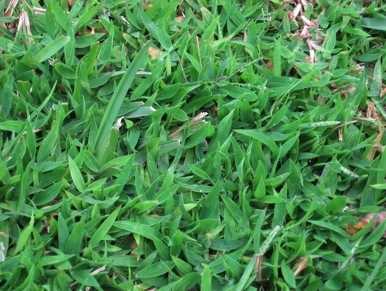
Crabgrass, scientifically known as Digitaria sanguinalis, is a type of grass that is native to Europe and Asia. It has spread to other parts of the world, including North America, where it is often considered a weed. Crabgrass is characterized by its low-growing, spreading nature and its ability to survive in harsh conditions. It has flat, pointed leaves that are light green in color.
Is Crabgrass Safe for Dogs to Eat?
While crabgrass is generally safe for dogs to eat in small quantities, there are a few things to consider. Some dogs may have allergies or sensitivities to certain types of grass, including crabgrass. If you notice any adverse reactions, such as vomiting, diarrhea, or excessive drooling after your dog consumes crabgrass, it would be wise to consult your veterinarian.
Nutritional Value of Crabgrass
Crabgrass is considered a low-nutrient grass and does not offer significant nutritional benefits for dogs. However, it does contain some vitamins and minerals, including vitamin C, vitamin A, calcium, and potassium. These nutrients can be beneficial in small amounts but should not be relied upon as the primary source of nutrition for your furry friend.
The Benefits of Crabgrass for Dogs
While crabgrass may not offer substantial nutritional value, it can provide some benefits for dogs:
- Trimming teeth: Chewing on crabgrass can help keep your dog’s teeth clean and promote good oral health.
- Added fiber: Crabgrass contains fiber, which can aid in digestion and promote regular bowel movements.
- Enriching diet: Adding small amounts of crabgrass to your dog’s diet can provide variety and mental stimulation.
Potential Risks of Crabgrass for Dogs
Although crabgrass is generally safe for dogs, there are a few risks to be aware of:
- Pesticides and herbicides: If crabgrass has been treated with pesticides or herbicides, it can be harmful to dogs if ingested. It is essential to avoid allowing your furry friend to consume crabgrass from areas that have been chemically treated.
- Gastrointestinal upset: Eating large quantities of any grass, including crabgrass, can cause gastrointestinal upset in dogs. This may manifest as vomiting, diarrhea, or grass impaction.
How to Prevent Your Dog from Eating Crabgrass
If you’re concerned about your dog consuming crabgrass, you can take the following precautions:
- Regular lawn maintenance: Keeping your lawn well-manicured and free of weeds can reduce the likelihood that your dog will encounter crabgrass.
- Supervision: When allowing your dog outside, monitor their behavior and prevent them from eating excessive amounts of grass.
- Training: Teaching your dog the “leave it” or “drop it” command can help prevent them from consuming unwanted plants.
Alternative Grasses for Dogs
If you are worried about the potential risks associated with crabgrass, there are several alternative grasses that are safe for dogs to eat:
- Wheatgrass: Wheatgrass is nutrient-rich and safe for dogs to consume. It can be grown indoors, making it easily accessible for your furry friend.
- Oat grass: Oat grass is another safe option for dogs and is rich in nutrients. It can be grown indoors or outdoors and provides a fresh source of greens.
- Barley grass: Barley grass is packed with vitamins and minerals and can be a healthy addition to your dog’s diet. It can be grown at home or purchased in supplement form.
In conclusion, while crabgrass is generally safe for dogs to eat, it is essential to monitor their consumption and be aware of any potential allergies or sensitivities. As with any plant material, moderation is key. If you have concerns about your dog’s diet or if they exhibit any adverse reactions after consuming crabgrass, it is best to consult with your veterinarian for guidance. By taking necessary precautions and considering alternative grasses, you can ensure your furry friend stays healthy and happy.
Why Do Dogs Eat Grass?
Frequently Asked Questions
Can dogs eat crabgrass?
Yes, dogs can eat crabgrass and it is generally considered safe for them. However, there are a few things to keep in mind.
Is crabgrass toxic to dogs?
No, crabgrass is not toxic to dogs. It is a common grass found in many lawns and poses no significant danger to dogs if consumed in small amounts.
Can eating crabgrass cause any health issues in dogs?
Eating crabgrass in small quantities is unlikely to cause any health issues in dogs. However, consuming large amounts of crabgrass could potentially lead to digestive upset or gastrointestinal blockage.
Are there any benefits of dogs eating crabgrass?
While crabgrass is not particularly nutritious for dogs, it does contain some fiber which can aid in digestion. Additionally, it may help to satisfy their natural urge to chew on grass.
What precautions should I take if my dog eats a lot of crabgrass?
If your dog consumes a large amount of crabgrass or shows signs of discomfort after eating it, it is advisable to monitor them closely. Look out for any vomiting, diarrhea, or other unusual symptoms. If their condition worsens or persists, it is best to consult a veterinarian.
Can I feed crabgrass to my dog intentionally?
While crabgrass is generally safe for dogs, it is not an essential part of their diet. It is recommended to provide them with a balanced and nutritionally complete diet specifically formulated for dogs, rather than relying on crabgrass as a food source.
Final Thoughts
In summary, when it comes to the question of whether dogs can eat crabgrass, it is generally safe for them to consume in small quantities. While it provides some nutritional value, it should not be the main component of their diet. However, pet owners should be cautious as crabgrass may contain pesticides or herbicides that could be harmful to dogs. Additionally, dogs with certain health conditions or allergies should avoid consuming it altogether. Consulting with a veterinarian is always recommended to ensure your dog’s diet is balanced and suitable for their individual needs. So, can dogs eat crabgrass? Yes, but with moderation and consideration for their specific health requirements.