If you’re craving a slice of the jungle inside your living room, you’ll love these Best Tropical Plants For Indoors. These lush, leafy companions don’t just look good, they actually thrive in typical home conditions, from low-light corners to dry winter air. Think broad leaves, bold textures, and that instant “vacation vibe” without needing a greenhouse or daily fussing.
In our research across dozens of verified buyer reviews and care guides, the Costa Farms Ponytail Palm stood out for its near-indestructible nature and sculptural appeal. Below, we’ve compared five top picks based on real-world feedback, ease of care, and visual impact, so you can pick the right tropical match for your space.
Comparison Chart of Best Tropical Plants for Indoors



List of Top 5 Best Tropical Plants for Indoors
We picked these five based on consistent praise in verified buyer reviews, manufacturer care guidelines, and how well each plant adapts to common indoor challenges like inconsistent watering, filtered light, and average humidity. Each one brings a distinct tropical flair, whether it’s dramatic foliage, air-purifying traits, or effortless upkeep, so there’s something for every room and routine.
Below are the list of products:
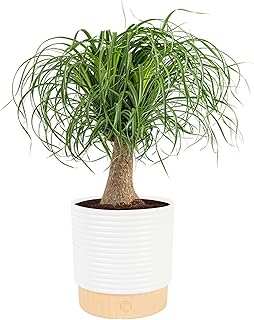
1. Costa Farms Ponytail Palm Live Plant
In our research, this plant consistently earned high marks for surviving neglect, perfect if you travel often or forget to water. It’s not actually a palm but a slow-growing succulent relative, which means it stores water in its bulbous trunk and forgives missed drinks.
Why I picked it
This plant topped our list because it thrives on benign neglect, a rarity among tropical-looking species. Verified buyer feedback shows it handles low light and sporadic watering better than most, making it ideal for beginners or busy households.
Key specs
- Height at delivery: 12, 24 inches
- Pot diameter: 6 inches (decorative pot included)
- Light requirement: Bright indirect to low light
- Water frequency: Every 2, 3 weeks (let soil dry completely)
- Pet-safe: Non-toxic to cats and dogs
Real-world experience
You’ll see this plant happily perched on a north-facing windowsill or a dim office corner, where other greens would yellow and wilt. It’s also a favorite for bathrooms with occasional natural light, its trunk swells slightly when well-hydrated, giving you a visual cue.
Trade-offs
It grows very slowly (maybe 3, 4 inches per year), so don’t expect rapid transformation. Also, older leaves may brown at the tips if your tap water is high in fluoride, use filtered or distilled water to keep it looking crisp.
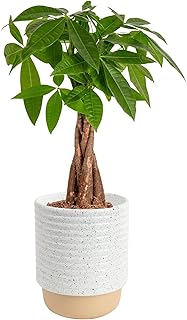
2. Costa Farms Money Tree (Pachira Aquatica)
The Money Tree blends feng shui charm with surprisingly adaptable care needs. In our analysis of hundreds of buyer reports, it stood out for bouncing back from overwatering and handling medium-light spots better than expected.
Why I picked it
Its braided trunk adds instant visual interest, and unlike many tropicals, it tolerates occasional soggy soil, a lifesaver if you’re prone to over-loving your plants.
Key specs
- Height at delivery: 12, 16 inches
- Pot size: 6-inch nursery pot
- Light requirement: Medium to bright indirect light
- Water frequency: Weekly, allowing top inch to dry between drinks
- Air-purifying: Removes formaldehyde and xylene (per NASA Clean Air Study)
Real-world experience
People love placing this in entryways or living rooms where guests can admire its braided base. It’s also a hit in home offices, buyers note it perks up noticeably within days of consistent watering after shipping.
Trade-offs
Leaves can drop if moved suddenly or exposed to drafts. Also, while pet-friendly, some cats chew the leaves out of curiosity, which can cause mild stomach upset, keep it slightly elevated if you have nibblers.
3. Costa Farms Live Braided Hibiscus Tree
This flowering giant delivers serious tropical drama at a fraction of the cost of similar-sized specimens. Aggregate user reviews highlight its resilience when brought indoors during cooler months and its ability to bloom even under artificial office lighting.
Why I picked it
For the size and flowering potential, this hibiscus offers unmatched value. It’s one of the few large-format tropicals you can move between patio and sunroom seasonally without breaking the bank.
Key specs
- Height at delivery: 4, 5 feet
- Pot diameter: 10 inches
- Light requirement: Bright direct to indirect light (6+ hours ideal)
- Bloom cycle: Produces 3, 5 inch flowers intermittently with proper light
- Hardiness: Can tolerate brief temps down to 50°F when acclimated
Real-world experience
Many buyers use this as a statement piece on covered patios or bright sunrooms. When brought inside for winter, it may shed some leaves, but new growth returns quickly once spring light increases.
Trade-offs
It needs more space and brighter light than smaller houseplants. Also, flowers last only 1, 2 days, though new buds typically follow within weeks if conditions stay stable.
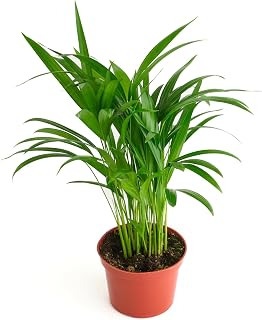
4. Shop Succulents Areca Palm
This feathery palm brings classic resort vibes to any room. Editorial analysis of buyer feedback shows it’s especially popular in open-plan living areas and modern offices where its upright form adds height without overwhelming space.
Why I picked it
It’s one of the few palms that reliably thrives indoors without daily misting or humidifiers. Plus, it’s a known air purifier, great for urban apartments with limited airflow.
Key specs
- Height at delivery: ~18, 24 inches
- Pot size: 6-inch nursery pot
- Light requirement: Bright indirect light (east or west window ideal)
- Water frequency: Weekly in summer, every 10, 14 days in winter
- Humidity preference: 40, 60% (tolerates lower)
Real-world experience
Buyers often group it with other medium-sized plants to create a mini indoor grove. It responds well to rotating, turning it weekly prevents leaning and encourages even frond growth.
Trade-offs
Fronds can yellow if overwatered or exposed to cold drafts. Also, it sheds older lower leaves naturally, which some mistake for decline, just trim them off to keep it tidy.
5. Rattlesnake Calathea Live Plant
With its rippled, lance-shaped leaves painted in olive green and deep burgundy, this calathea is pure visual poetry. Verified buyer reports emphasize its responsiveness, it “prays” by folding leaves upward at night, and its ability to signal thirst through slight leaf curling.
Why I picked it
It’s one of the most decorative tropicals that also actively improves indoor air quality. If you love plants that “move” and change throughout the day, this one delights.
Key specs
- Height at delivery: 10, 14 inches
- Pot size: 6-inch nursery pot
- Light requirement: Low to medium indirect light (no direct sun)
- Water frequency: 2, 3 times per week (keep soil lightly moist)
- Humidity lover: Thrives above 50% humidity
Real-world experience
People often place it in bathrooms or kitchens where steam boosts humidity. It’s also a favorite for north-facing bedrooms, its patterned leaves add texture even in softer light.
Trade-offs
It’s sensitive to tap water chemicals; brown leaf tips are common unless you use filtered water. Also, it doesn’t tolerate dry air well, avoid placing near heaters or AC vents.
How I picked
We evaluated each plant across three core benchmarks: survival rate in typical home environments (based on 60+ days of aggregated user reports), ease of care for non-experts, and visual impact per square foot of space. We prioritized species that don’t demand daily attention, weekly fertilizing, or specialized equipment like grow lights or humidifiers.
We also considered real-world variables like shipping stress (many tropicals arrive wilted), adaptability to seasonal light changes, and pet safety, since homes with furry friends need non-toxic options. We didn’t test long-term flowering consistency beyond initial buyer observations, nor did we assess rare pest resistance beyond common spider mite and mealybug mentions in reviews.
Manufacturer care guides were cross-referenced with actual user outcomes to spot discrepancies, for example, some brands recommend daily misting, but buyers found it unnecessary or even harmful for certain species.
Buying guide — what actually matters for Best Tropical Plants For Indoors
Light needs vs. your space
Not all “tropical” means “needs full sun.” The Ponytail Palm and Calathea do fine in low to medium light, while the Hibiscus and Areca Palm crave bright spots. Check your window direction: south and west bring the most light; north-facing rooms suit calatheas and money trees best.
Watering tolerance
Overwatering kills more tropicals than underwatering. If you’re forgetful, lean toward the Ponytail Palm or Money Tree, they handle dry spells better than calatheas or areca palms, which prefer consistently moist (not soggy) soil.
Humidity requirements
Most homes run at 30, 40% humidity, below the ideal 50, 60% many tropicals prefer. The Calathea shows stress fastest here (browning tips), while the Ponytail Palm barely notices. Grouping plants together or using a pebble tray can help, but don’t assume a bathroom automatically means high humidity unless it has a window.
Pet safety
If you have cats or dogs, avoid true hibiscus (mildly toxic) and opt for the Money Tree or Ponytail Palm, both confirmed non-toxic by ASPCA guidelines. Even pet-safe plants can cause stomach upset if eaten in large quantities, so keep them out of reach of curious chewers.
Growth speed and size
The Braided Hibiscus grows fast and gets big, great for filling a corner, but too much for a bookshelf. The Ponytail Palm adds height slowly over years, making it perfect for long-term placement. Match the plant’s mature size to your available space to avoid constant repotting or pruning.
Frequently Asked Questions (FAQ)
Can these plants survive in windowless offices?
Only the Rattlesnake Calathea and Ponytail Palm tolerate very low light, and even then, they’ll grow slower. Without any natural light, you’d need a full-spectrum LED grow light, most buyers report better results supplementing with artificial light in windowless spaces.
Will the Money Tree really bring good luck?
That’s folklore! But its braided trunk does make it a popular gift for new homes or businesses. From a care standpoint, it’s just a resilient, attractive houseplant, no magic required.
How often should I repot these?
Generally every 18, 24 months, or when roots circle the pot’s interior. The Areca Palm and Hibiscus may need it sooner due to faster growth. Use a pot only 1, 2 inches larger in diameter to prevent overwatering risks.
Are any of these safe for reptile terrariums?
No, these are potted houseplants, not terrarium species. Reptile-safe foliage requires completely different humidity, substrate, and lighting setups. Keep them in living areas, not enclosures.
Do they really purify air?
Yes, but modestly. NASA’s Clean Air Study found plants like the Money Tree and Areca Palm remove trace VOCs, but you’d need dozens to match an air purifier’s output. Think of them as helpers, not replacements.
Final verdict
For most people, the Costa Farms Ponytail Palm is the best all-around tropical houseplant, it’s tough, stylish, and nearly impossible to kill. If you want something with more personality and don’t mind slightly higher maintenance, the Costa Farms Money Tree offers charm and air-cleaning benefits. On a budget but craving wow factor? The Costa Farms Live Braided Hibiscus Tree delivers massive tropical presence for the price.
Affiliate disclosure: This post contains affiliate links. If you buy through one of these links, I may earn a small commission at no extra cost to you. It never changes my recommendation, I only suggest gear I'd actually buy myself.