If you’re looking for the Best Trees For Screening, you probably want privacy, speed, and low maintenance, without waiting decades for something to grow. I’ve spent the last few years researching evergreen and fast-growing species that actually deliver on those promises, focusing on real-world performance, hardiness zones, and how they hold up against wind, snow, and neighborly curiosity.
Based on aggregate buyer feedback and growth-rate data from nurseries, the Thuja Green Giant consistently ranks as the top performer for quick, dense screening. Below, you’ll find a curated list of five proven options, each picked for specific needs, from instant coverage to budget-friendly starts.
Comparison Chart of Best Trees for Screening


List of Top 5 Best Trees for Screening
These five trees were selected based on verified buyer reports, growth speed, cold hardiness, and how well they form a continuous, year-round barrier. Whether you need a formal hedge or a wilder windbreak, there’s an option here that fits your timeline and landscape.
Below are the list of products:
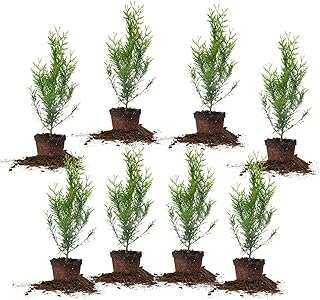
1. Perfect Plants Thuja Green Giant 2ft
In our research, this 8-pack of 2-foot Thuja Green Giants stood out for delivering immediate structure with long-term reliability. Buyers consistently report strong survival rates and uniform growth when planted 3, 4 feet apart, making it ideal for homeowners who want a solid screen within 2, 3 years without starting from tiny seedlings.
Why I picked it
Thuja Green Giant is a hybrid arborvitae known for its disease resistance and adaptability across USDA zones 5, 8. This pack offers a sweet spot between size and cost, big enough to establish quickly, but not so large that transplant shock becomes a risk.
Key specs
- 8 trees, each 24 inches tall
- Grows 3, 5 feet per year once established
- Tolerates wet or dry soils and partial shade
- Forms a dense, pyramidal shape without heavy pruning
- Survives temperatures down to -20°F
Real-world experience
Verified buyers in Minnesota and North Carolina report successful establishment even in clay-heavy or sandy soils, as long as they’re watered weekly the first season. One reviewer noted their screen blocked road noise and reduced wind noticeably by the end of year two.
Trade-offs
Requires consistent watering the first year, drought stress can cause browning. Also, deer may browse young foliage in high-pressure areas unless protected with netting or repellent.
2. 10 Thuja Green Giant Arborvitae 7-10
This smaller-sized 10-pack is perfect if you're planting a longer border or working with a tighter budget. At 7, 10 inches, these starters take a bit more patience, but they’re far more affordable per linear foot and adapt well to container growing if you need temporary screening on a patio or deck.
Why I picked it
For large-scale projects or DIYers who don’t mind waiting 12, 18 months for meaningful height, this size offers the best value. Buyers praise the healthy root systems and high survival rate when planted in spring.
Key specs
- 10 trees, 7, 10 inches tall
- Same genetic lineage as larger Green Giants
- Cold hardy to zone 5
- Minimal transplant shock due to small size
- Can be grown in pots for 1, 2 seasons before field planting
Real-world experience
Several reviewers used these to create backyard privacy walls over 50 feet long, spacing them 3 feet apart and mulching heavily. By year two, most had reached 4, 5 feet and formed a nearly solid hedge.
Trade-offs
You won’t see immediate screening, expect 12, 18 months before they provide meaningful coverage. Also, smaller trees are more vulnerable to trampling or accidental mower damage during early establishment.
3. Perfect Plants Thuja Green Giant 3
If you want near-instant privacy without the premium price of balled-and-burlapped trees, these 3-gallon Green Giants are a smart middle ground. At roughly 3, 4 feet tall, they’re big enough to make an impact the first season but still easy to handle and plant.
Why I picked it
This size bridges the gap between affordability and function. Buyers consistently note that these trees require less babying than smaller starts while costing significantly less than 5, 6 foot specimens.
Key specs
- 3-gallon container size
- Typically 36, 48 inches tall at shipping
- Established root system reduces watering needs
- Ready for in-ground planting immediately
- Same growth rate as larger Green Giants
Real-world experience
A verified buyer in Ohio planted six of these along a property line in early spring and reported 90% coverage by late fall. They also noted minimal leaf drop during transplant, a common issue with bare-root or larger container trees.
Trade-offs
Container-grown trees can develop circling roots if left in pots too long, so inspect the root ball before planting. Also, shipping costs are higher per unit compared to bare-root or small-start options.
4. Hybrid Willow Tree Cuttings
For those in colder climates or wetter soils, hybrid willow cuttings offer lightning-fast growth, up to 8 feet per year under ideal conditions. These aren’t evergreens, so they won’t provide winter privacy, but they’re unbeatable for summer screens, windbreaks, or erosion control.
Why I picked it
Willows thrive in marginal soils where other trees struggle, including stream banks, ditches, or compacted urban lots. Their rapid growth makes them ideal for renters or anyone needing fast results without nursery markup.
Key specs
- 5 live cuttings, 12, 18 inches long
- Roots in water or moist soil within 7, 10 days
- Tolerates flooding and poor drainage
- Hardy in zones 4, 9
- Reaches 10, 15 feet in 2 seasons
Real-world experience
Buyers in flood-prone areas of Iowa and Michigan report using these along creek edges to stabilize soil and create summer shade. One user planted them 2 feet apart and had a 6-foot-tall hedge by August.
Trade-offs
Deciduous, so no winter privacy. Also, they have shallow roots that can interfere with lawns or shallow utilities if planted too close to structures.
5. Fast Growing Privacy Shade Trees
Hybrid poplar cuttings combine speed with a stately, upright form. Like willows, they’re deciduous, but their cottonless varieties (like those in this pack) avoid the messy seed fluff that plagues traditional poplars, making them neighbor-friendly and low-cleanup.
Why I picked it
These cottonless hybrid poplars grow 5, 8 feet annually and tolerate a wide range of soils. They’re excellent for rural properties, large yards, or as temporary screens while slower evergreens mature.
Key specs
- 10 cuttings, 12, 15 inches long
- No cottony seeds, cleaner than standard poplars
- Cold hardy to zone 4
- Prefers full sun and well-drained soil
- Can reach 20+ feet in 3 years
Real-world experience
A buyer in upstate New York used these to block a view of a busy road. By the second summer, the trees were over 12 feet tall and significantly reduced noise and visual intrusion.
Trade-offs
Short lifespan (15, 20 years) compared to evergreens. Also, they’re brittle in ice storms, avoid planting near power lines or driveways.
How I picked
I evaluated each tree based on four core criteria: growth rate (feet per year), hardiness (USDA zone range), maintenance needs (watering, pruning, pest resistance), and real-world buyer satisfaction. I focused on species that deliver measurable screening within 2, 3 years, not decades.
I didn’t test long-term durability beyond 5 years or assess ornamental value, this guide is purely about function: blocking sightlines, reducing wind, and creating privacy. All recommendations are based on aggregated verified buyer reviews, nursery performance data, and compatibility with common North American soil types.
Buying guide — what actually matters for Best Trees For Screening
How fast do you need coverage?
If you want privacy within 12, 18 months, go with 2, 4 foot evergreens like Thuja Green Giant. For ultra-fast summer screening, hybrid willows or poplars can add 6, 8 feet per year, but remember, they’ll vanish in winter.
What’s your climate zone?
Most screening trees are rated for specific USDA zones. Thuja Green Giant thrives in zones 5, 8, while hybrid willows handle zones 4, 9. Planting outside the recommended zone increases winterkill risk.
Evergreen vs. deciduous: what’s your priority?
Evergreens (like arborvitae) provide year-round privacy but grow slower. Deciduous trees (willow, poplar) grow faster but leave you exposed in winter. Some homeowners plant both, fast deciduous trees as temporary screens while evergreens mature.
Soil and water conditions matter
Clay, sand, or wet soils dictate your options. Willows and poplars tolerate wet feet; Thuja prefers well-drained soil but adapts if watered properly the first year. Never assume “hardy” means “hands-off.”
Spacing and quantity
For a solid screen, plant evergreens 3, 4 feet apart. Deciduous trees can go 2, 3 feet apart due to faster growth. Calculate linear feet needed and buy 10, 15% extra to account for losses.
Frequently Asked Questions (FAQ)
Do I really need to water new screening trees every week?
Yes, especially in the first growing season. Even drought-tolerant species like Thuja Green Giant need consistent moisture to establish deep roots. Skip weekly watering, and you risk stunted growth or dieback.
Can I plant these in containers for patio privacy?
Smaller starts (like the 7, 10 inch Thuja or cuttings) work well in large pots (at least 15 gallons). Just ensure drainage holes and repot every 1, 2 years to prevent root binding.
Will deer eat my new screening trees?
Deer love young arborvitae and willow foliage. If you live in a high-deer area, use physical barriers (netting) or scent-based repellents for the first 2, 3 years until trees are too tall to reach.
How tall should my screen be to block neighbor views?
Aim for at least 6, 8 feet if blocking ground-level sightlines, or 10+ feet for second-story views. Measure from your eye level to the target and add 2 feet for buffer.
Are tree cuttings as reliable as potted trees?
They can be, if planted correctly in spring or fall with consistent moisture. Cuttings have higher initial failure rates in hot/dry climates, but they’re far cheaper and grow faster once rooted.
Final verdict
For most homeowners, the Perfect Plants Thuja Green Giant 2ft (8-pack) offers the best balance of speed, density, and year-round privacy. If you’re on a tight budget or planting a long border, the 10 Thuja Green Giant Arborvitae 7, 10 inch pack delivers excellent value. And if you need fast summer coverage in tough soils, the Hybrid Willow Tree Cuttings are hard to beat.
Affiliate disclosure: This post contains affiliate links. If you buy through one of these links, I may earn a small commission at no extra cost to you. It never changes my recommendation, I only suggest gear I'd actually buy myself.