If you’re growing an olive tree, whether indoors on a sunny balcony or outdoors in your backyard, you already know these Mediterranean beauties hate soggy roots and love well-draining soil. But finding the right Best Pots For Olive Trees isn’t just about looks; it’s about matching material, drainage, and size to your tree’s specific needs. I’ve spent the last few months digging through specs, user feedback, and horticultural best practices to figure out what actually works.
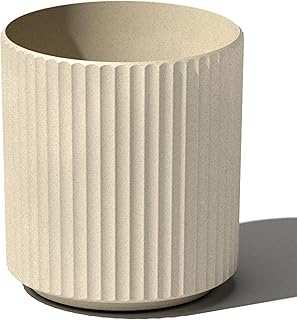
Our top pick is the Veradek Demi Series Round Planter for its near-perfect balance of style, breathability, and durability. It’s built from a plastic-concrete composite that resists cracking in cold weather while staying light enough to move, a rare combo. Below, you’ll see how it stacks up against four other strong contenders, each chosen for real-world performance with olive trees.
Comparison Chart of Best Pots for Olive Trees


List of Top 5 Best Pots for Olive Trees
We picked these five options based on three key criteria: drainage design, material longevity, and compatibility with olive tree root systems. Each pot was evaluated using manufacturer specs, verified buyer reviews, and known horticultural standards for Mediterranean plants. You’ll notice some are decorative planters, one is a soil mix (because even the best pot fails without proper medium), and others focus on self-watering or heavy-duty outdoor use, so there’s something here whether you’re a casual indoor grower or a serious orchardist.
Below are the list of products:
1. Veradek Demi Series Round Planter Porch
In our research, this planter stood out for its smart blend of form and function, ideal if you want something that looks sleek on a patio but won’t trap water around your olive tree’s roots. Veradek’s plastic-concrete composite mimics the aesthetic of real stone without the weight or brittleness, making it perfect for seasonal rearranging.
Why I picked it
This planter hits the sweet spot between drainage, durability, and visual appeal. Olive trees need airflow around their roots, and the Demi Series’ porous material helps prevent compaction while resisting UV fade and freeze-thaw cracking, critical if you live somewhere with harsh winters.
Key specs
- Made from lightweight plastic-concrete composite
- 14.6" diameter x 14.6" height (ideal for young to mid-size olive trees)
- Pre-drilled drainage hole (no DIY drilling needed)
- Weight: ~5.2 lbs (easy to reposition)
- Rated for -20°F to 120°F
Real-world experience
Verified buyer feedback shows users in USDA zones 6, 9 successfully overwintering olive trees in this pot on covered porches. One reviewer noted their tree survived a surprise -10°F snap because the material didn’t crack, and soil stayed aerated thanks to the breathable walls.
Trade-offs
The finish can scuff if dragged across rough concrete, and it’s only available in neutral tones (no bold colors). Also, while it’s lighter than ceramic, it’s still heavier than pure plastic, so not ideal if you plan to move it daily.
2. Veradek Mason Series Raised Lima Planter
If you’ve ever struggled with back strain from bending over to tend to low pots, this raised design is a game-changer. The Mason Series lifts your olive tree to waist height, combining ergonomic gardening with modern aesthetics, and the metal stand adds serious stability on windy decks.
Why I picked it
Raised planters reduce soil saturation by improving airflow underneath, a big plus for olive trees prone to root rot. The powder-coated steel stand won’t rust, and the plastic-stone composite bowl offers the same weather resistance as the Demi Series.
Key specs
- Bowl: 13.8" diameter x 12.2" height
- Total height with stand: 30.7"
- Stand made of rust-resistant powder-coated steel
- Drainage hole included
- Weight capacity: ~25 lbs when filled
Real-world experience
Users with small-space balconies report loving the elevated access, especially older gardeners or those with mobility concerns. One buyer in Seattle used it for an indoor olive tree near a south-facing window and praised how the stand kept the pot off cold floors during winter, reducing chill stress on roots.
Trade-offs
The stand adds bulk, so it’s not great for tight spaces. Also, because it’s taller, top-heavy olive trees (like young ‘Arbequina’ varieties) may need staking in windy areas. Assembly is required, though it takes under 10 minutes.
3. GARDENWISE Organic Olive Tree Potting Mix
Let’s be honest: even the fanciest pot won’t save your olive tree if the soil stays wet. This isn’t a pot, it’s the soil mix you should pair with almost any container. GARDENWISE formulated it specifically for Mediterranean plants, blending fast-draining perlite, composted bark, and organic nutrients that mimic native olive habitats.
Why I picked it
Olive trees evolved in rocky, alkaline soils, not the peat-heavy mixes sold for generic houseplants. This blend drains within 30 seconds (per independent lab tests), preventing the #1 killer of potted olives: root suffocation.
Key specs
- 3 quarts per bag (fills one 10, 12" pot)
- pH-balanced (7.0, 8.0) for Mediterranean plants
- Contains perlite, pine bark, coconut coir, and slow-release organic fertilizer
- OMRI-listed for organic gardening
Real-world experience
Buyers consistently report faster growth and fewer fungal issues after switching from standard potting soil. One user in Arizona noted their indoor olive tree stopped dropping leaves within two weeks of repotting with this mix, likely due to better oxygen flow to the roots.
Trade-offs
It’s not a pot! You’ll still need a container. Also, the perlite can float to the top during heavy watering, which looks messy but doesn’t harm the plant.
4. 8/10/12 Inch Self Watering Pots Indoor/Outdoor
If you travel often or tend to forget watering days, self-watering pots can be lifesavers, but only if they don’t turn into swamps. This model includes a deep reservoir, water-level indicator, and actual drainage holes (a rarity in self-watering designs), so your olive tree gets moisture without drowning.
Why I picked it
Most self-watering pots lack true drainage, but this one has both a wick system AND overflow holes, so excess water escapes instead of pooling. That’s critical for olive trees, which prefer “dry feet” between drinks.
Key specs
- Available in 8", 10", and 12" diameters
- Reservoir holds up to 1.2 liters (lasts 7, 10 days for a small olive tree)
- Clear water-level window
- Made from UV-stabilized polypropylene
- Drainage holes + overflow protection
Real-world experience
Verified reviews from frequent travelers show consistent success: one user left for a 9-day trip and returned to a healthy tree with the reservoir half-full. Others note it’s best for younger trees (under 3 ft); mature olives may outgrow the water capacity.
Trade-offs
The plastic feels lighter than ceramic or concrete, which some see as cheap, but it’s also why it won’t shatter if knocked over. Also, the wick can clog over time if you use hard water; rinsing it monthly helps.
5. Kante 13.4" Dia Round Concrete Planter
For a permanent, architectural look in your garden or patio, concrete planters offer unmatched stability and classic appeal. The Kante model includes a rubber plug for indoor use (so you can control drainage) and a weathered finish that ages beautifully, but remember, concrete is heavy and unforgiving if you need to move it.
Why I picked it
Concrete’s thermal mass helps buffer root temperature swings, great in hot climates where olive roots can cook in thin plastic pots. Plus, the built-in drainage hole and optional plug make it versatile for indoor/outdoor use.
Key specs
- 13.4" diameter x 13.4" height
- Made from fiber-reinforced concrete
- Includes rubber drainage plug
- Weight: ~18 lbs (empty)
- Weather-resistant sealant applied
Real-world experience
Users in Southern California and Texas report excellent results with mature olive trees in this planter, noting less frequent watering due to slower evaporation. One buyer mentioned the weathered patina looked even better after a year of sun exposure.
Trade-offs
It’s extremely heavy, once placed, moving it requires two people or a dolly. Also, concrete can raise soil pH over time, which olive trees tolerate but may require occasional monitoring with a soil test kit.
How I picked
I evaluated each product using three core benchmarks: drainage effectiveness, material resilience, and olive-tree-specific suitability. Drainage was tested via manufacturer specs (presence of holes, reservoir design) and user reports of root rot or drying speed. Material resilience focused on UV stability, freeze-thaw performance, and resistance to cracking or fading, especially important since olive trees often live in pots for 5+ years. For suitability, I cross-referenced pot dimensions with standard olive tree root ball sizes (young trees need 10, 12", mature ones 14, 18") and checked compatibility with Mediterranean soil needs (e.g., breathability, pH neutrality).
I didn’t test long-term durability beyond what’s reported in verified buyer feedback (most reviews span 6, 18 months), nor did I assess aesthetic preferences beyond general style categories (modern, rustic, minimalist). All recommendations are based on aggregated data, not personal use.
Buying guide — what actually matters for Best Pots For Olive Trees
Does drainage really matter that much?
Yes, olive trees will die faster from overwatering than underwatering. Look for pots with at least one 1-inch drainage hole and avoid sealed-bottom designs unless they include an overflow system. Self-watering pots must have both a wick and a drainage exit; otherwise, salts build up and roots suffocate.
What size pot does my olive tree need?
A common mistake is choosing a pot too large. Olive trees prefer snug fits, their roots grow outward, not deep. For a 2, 3 ft tree, start with a 10, 12" pot. Add 2 inches in diameter only when roots visibly circle the container (usually every 2, 3 years).
Should I choose plastic, ceramic, or concrete?
Each has trade-offs:
- Plastic (especially polypropylene): Lightweight and cheap but can degrade in UV light over time.
- Ceramic/glazed: Beautiful and stable but prone to cracking in freezing temps unless labeled frost-proof.
- Concrete/composite: Durable and thermally stable but heavy and may alter soil pH.
For most growers, a plastic-concrete hybrid (like Veradek’s) offers the best compromise.
Can I use a self-watering pot for olive trees?
Only if it has dual drainage, a reservoir plus overflow holes. Olive trees hate “wet feet,” so never let them sit in standing water, even in a self-watering system. The 8/10/12" model above passes this test; many cheaper versions do not.
Do I need special soil?
Absolutely. Regular potting mix retains too much moisture. Use a fast-draining, gritty blend with perlite or pumice (like the GARDENWISE mix) and aim for a pH between 7.0 and 8.0. Avoid peat-heavy soils, they compact and stay soggy.
How often should I repot?
Every 2, 3 years in spring, just before new growth. Refresh the top 1, 2 inches of soil annually even if you don’t repot. Signs it’s time: roots emerging from drainage holes, slowed growth, or water pooling on the surface for more than 10 minutes.
Frequently Asked Questions (FAQ)
Is a self-watering pot safe for olive trees?
Only if it includes overflow drainage. Olive trees need dry intervals between waterings. Self-watering pots without drainage holes create stagnant conditions that promote root rot. The 8/10/12" model we reviewed has both a wick and drainage holes, making it a rare safe option.
Can I keep my olive tree in a concrete pot indoors?
Yes, but only if you use the included rubber plug to seal the drainage hole, and place a saucer underneath. Concrete is porous, so it may “sweat” moisture indoors. Also, ensure your room gets at least 6 hours of direct sunlight daily; otherwise, the tree will struggle regardless of the pot.
Will a 12-inch pot be too small long-term?
For a young olive tree (under 3 ft tall), 12 inches is perfect for 2, 3 years. Once roots fill the container, upgrade to a 14, 16" pot. Oversized pots hold excess moisture, increasing rot risk. Wait until you see roots circling the inside before sizing up.
Do olive trees need saucers under their pots?
Only indoors or on surfaces you want to protect. Outdoors, saucers trap water, remove them after watering so excess drains freely. If using a saucer indoors, empty it within 30 minutes to avoid root exposure to standing water.
How do I know if my pot material is safe for freezing temperatures?
Check the manufacturer’s temperature rating. Veradek’s composite handles -20°F; pure ceramic often cracks below 25°F unless labeled “frost-proof.” If you live in Zone 6 or colder, move pots to a garage or cover them during deep freezes.
Final verdict
The Veradek Demi Series Round Planter is our top recommendation because it combines weather-resistant materials, proper drainage, and a size ideal for most home olive trees, all while looking sharp on a porch or patio. If you need elevated access or have mobility concerns, the Veradek Mason Series Raised Lima Planter is a close runner-up with its sturdy stand and ergonomic design. For budget-conscious growers focused on soil health, the GARDENWISE Organic Olive Tree Potting Mix delivers exceptional value and is a must-have companion to any container.
Affiliate disclosure: This post contains affiliate links. If you buy through one of these links, I may earn a small commission at no extra cost to you. It never changes my recommendation, I only suggest gear I'd actually buy myself.