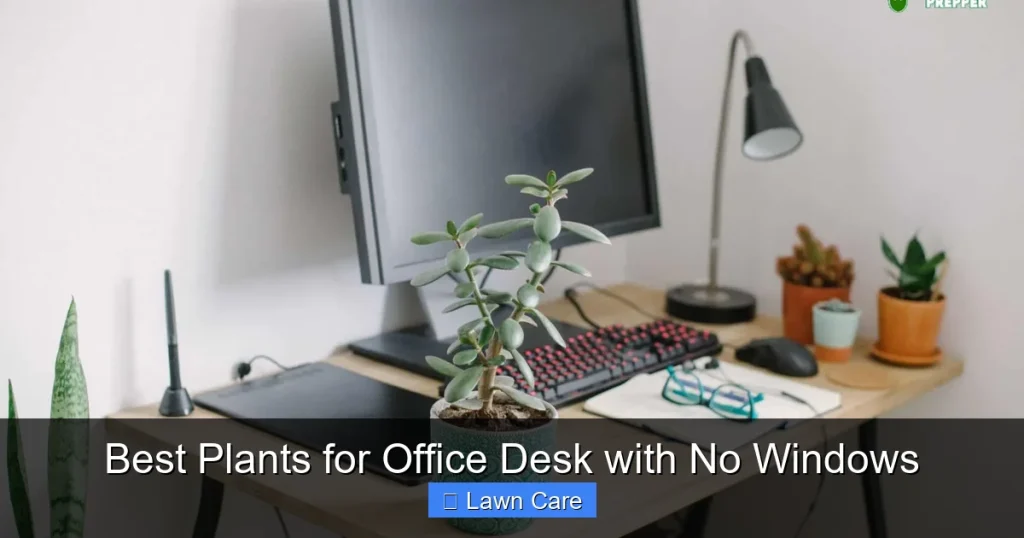
Working in a windowless office? You don’t have to go without greenery. This guide reveals the best plants for office desk with no windows—low-maintenance, air-purifying species that survive in dim conditions. From snake plants to ZZ plants, you’ll learn how to keep your desk lush, healthy, and productive without natural sunlight.
Key Takeaways
- Low-light plants thrive without windows: Choose species like snake plant, pothos, or ZZ plant that tolerate artificial light and irregular watering.
- Air quality improves with indoor greenery: NASA studies show certain plants remove toxins like formaldehyde and benzene from office air.
- Minimal care keeps plants healthy: These plants need infrequent watering and little attention—perfect for busy professionals.
- Proper containers matter: Use pots with drainage holes to prevent root rot and keep roots healthy.
- Group plants for better humidity: Clustering low-light plants increases moisture in dry office environments.
- Rotate plants occasionally: Turn your plant every few weeks to ensure even growth on all sides.
- Watch for pests and signs of stress: Yellow leaves or drooping may signal overwatering or low humidity—adjust care accordingly.
Introduction: Bringing Nature to Windowless Offices
Have you ever walked into a modern office and noticed how sterile and lifeless it can feel? Best plants for office desk with no windows aren’t just a trend—they’re a solution. Even in spaces without natural light, you can enjoy the benefits of greenery. Plants improve mood, reduce stress, and even boost productivity. But choosing the right ones is key.
Not all plants survive in dim corners or under fluorescent lights. That’s why this guide focuses on best plants for office desk with no windows—species that thrive in low-light, low-maintenance environments. Whether you’re in a basement office, a cubicle with no view, or a remote workspace, these plants will help you feel more connected to nature without requiring a green thumb.
In this guide, you’ll discover which plants are most resilient, how to care for them, and practical tips to keep them thriving. You’ll also learn how to spot problems early and fix them before they become serious. Let’s turn your windowless desk into a green oasis.
Why Indoor Plants Matter in Windowless Offices
Even without sunlight, indoor plants play a vital role in office environments. They don’t just look nice—they do real work. Studies show that employees with desk plants report lower stress levels and higher concentration. Greenery also helps reduce eye strain from screens and improves air quality.
Visual guide about Best Plants for Office Desk with No Windows
Image source: planterhoma.com
But in a windowless office, lighting is weak and humidity drops. That’s why choosing the best plants for office desk with no windows is so important. These plants are adapted to survive in low-light conditions and don’t need daily attention. They’re forgiving, hardy, and perfect for busy professionals who want the benefits of plants without the hassle.
Step-by-Step: How to Choose and Care for Low-Light Desk Plants
Step 1: Assess Your Office Environment
Before buying any plant, take a look at your workspace. Is it near a window with artificial light? Or is it in a completely dark corner? The amount of available light determines which plants will survive.
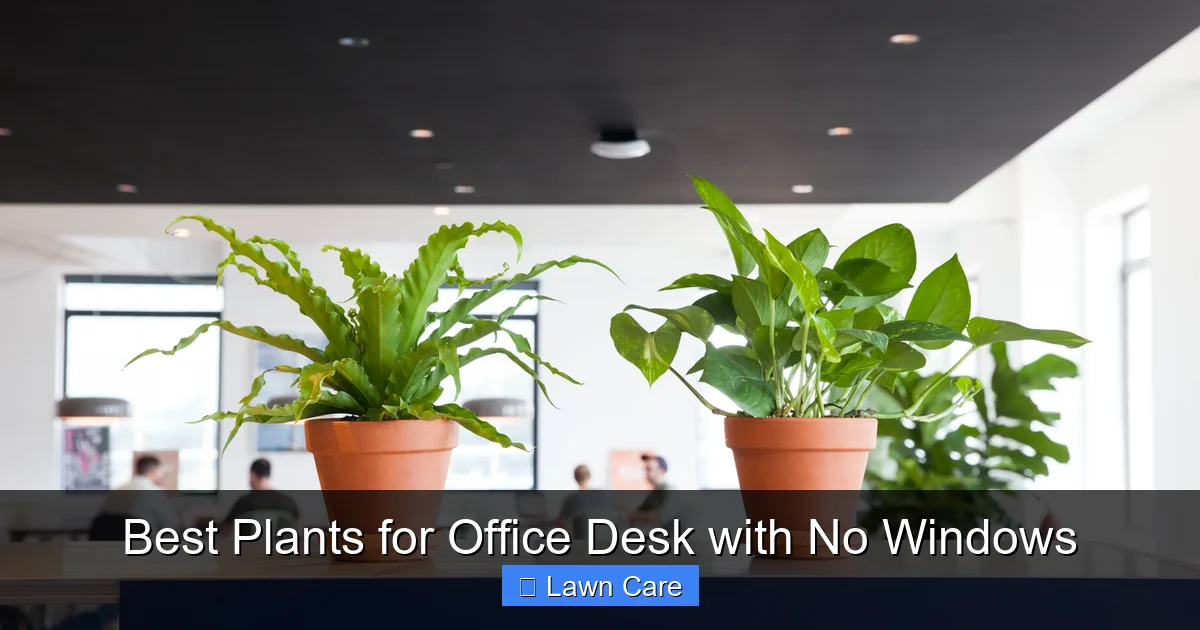
Visual guide about Best Plants for Office Desk with No Windows
Image source: media.architecturaldigest.com
- Very low light: Ideal for snake plant, ZZ plant, or cast iron plant.
- Low to medium light: Pothos, philodendron, or peace lily work well.
- Even with no direct light: These plants still grow slowly but steadily.
Also, check if the air is dry. Offices often use air conditioning, which lowers humidity. Plants like pothos and spider plant handle dry air better than tropical species.
Step 2: Pick the Right Containers
Your plant’s pot matters as much as the plant itself. Choose pots with drainage holes to prevent water from sitting at the bottom. This reduces the risk of root rot—a common killer of desk plants.
Small ceramic or plastic pots work best for desks. Avoid large containers that hold too much soil and water. A 6-inch pot is usually perfect for most office plants.
Step 3: Water Wisely
Overwatering is the #1 reason desk plants die. Let the top inch of soil dry out before watering again. Stick your finger into the soil—if it feels dry, it’s time to water.
Use room-temperature water and avoid letting the plant sit in a saucer of water. If you forget to water for a week, don’t panic. Most low-light plants can survive short dry spells.
Step 4: Provide Gentle Light
Even in a windowless office, your plant needs some light. Place it near a light source like an overhead fixture or a lamp. Rotate the plant every few weeks so all sides get equal light and grow evenly.
Aim for indirect or artificial light—direct light from a window isn’t needed. Fluorescent lights are fine, but try to give the plant a few hours of brighter light each day.
Step 5: Fertilize Sparingly
Low-light plants grow slowly, so they don’t need much fertilizer. Feed them once every 2–3 months during spring and summer with a diluted houseplant fertilizer.
Skip fertilizing in fall and winter when growth slows. Over-fertilizing can burn roots and cause yellow leaves.
Top 7 Best Plants for Office Desk With No Windows
Not all plants are created equal when it comes to surviving in dim, indoor spaces. Here are the top choices for your windowless desk. Each one is low-maintenance, air-purifying, and perfect for beginners.
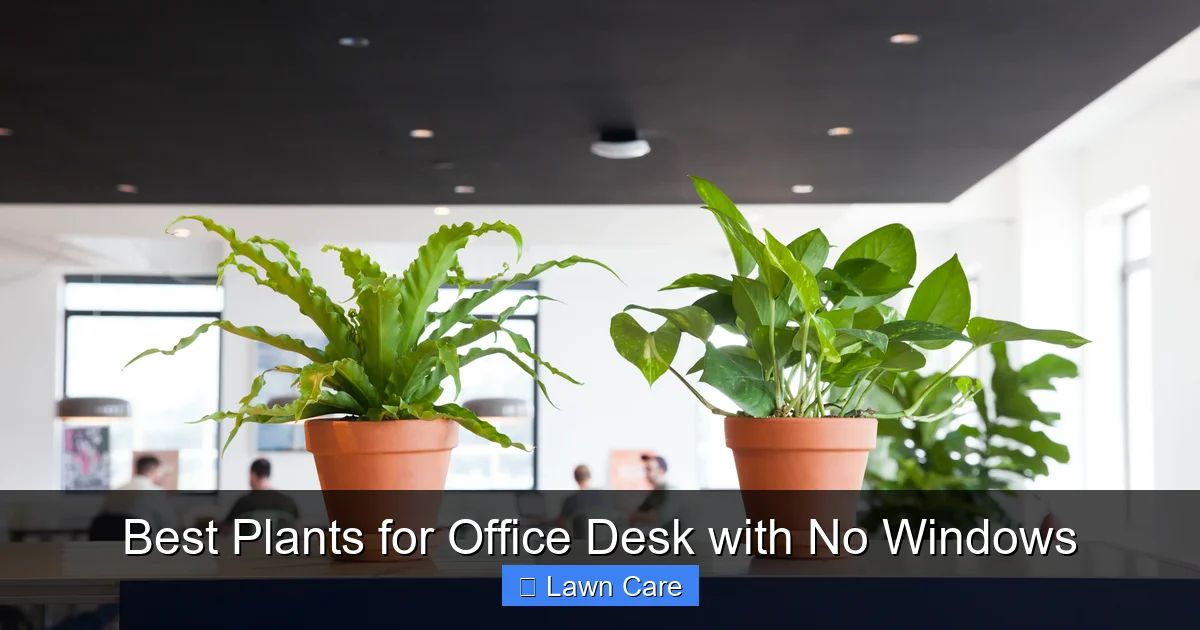
Visual guide about Best Plants for Office Desk with No Windows
Image source: media.architecturaldigest.com
1. Snake Plant (Sansevieria)
The snake plant is a superstar among best plants for office desk with no windows. It tolerates very low light and can go weeks without water. Its upright leaves add vertical interest to any desk.
- Light needs: Very low to medium light
- Watering: Every 2–3 weeks
- Benefits: Removes toxins like formaldehyde and xylene
Pro tip: This plant releases oxygen at night, making it ideal for bedrooms or offices. It’s also nearly indestructible—perfect for forgetful plant owners.
2. ZZ Plant (Zamioculcas zamiifolia)
The ZZ plant is another top pick. It grows slowly but steadily in low light and requires almost no attention. Its glossy green leaves make it a stylish addition to any workspace.
- Light needs: Very low to medium light
- Watering: Every 3–4 weeks
- Benefits: Thrives in dry air and recovers quickly from neglect
This plant is so resilient it can survive in a closet with no light for months. Just don’t overwater it—it stores water in its rhizomes.
3. Pothos (Epipremnum aureum)
Pothos is a trailing vine that looks great in hanging pots or on shelves. It grows quickly in low light and can purify the air around your desk.
- Light needs: Low to medium light
- Watering: Every 1–2 weeks
- Benefits: Removes benzene and carbon monoxide
Tip: Pothos is easy to propagate. Cut a stem with a node and place it in water—it will grow roots in days.
4. Peace Lily (Spathiphyllum)
Peace lilies produce beautiful white flowers and are excellent at filtering indoor air. They prefer low light and will droop slightly when thirsty—a helpful natural watering cue.
- Light needs: Low to medium light
- Watering: When leaves droop or soil feels dry
- Benefits: Removes ammonia, benzene, and trichloroethylene
Note: Peace lilies are toxic to pets, so keep them out of reach of cats and dogs.
5. Cast Iron Plant (Aspidistra elatior)
As the name suggests, this plant is tough. It survives in very low light, dry air, and irregular watering. It’s one of the best plants for office desk with no windows because it’s nearly impossible to kill.
- Light needs: Very low light
- Watering: Every 2–3 weeks
- Benefits: Thrives in neglect and low humidity
This plant grows slowly but steadily. Its dark green leaves add a touch of elegance to any desk.
6. Spider Plant (Chlorophytum comosum)
Spider plants produce “pups” or baby plants that dangle beautifully. They prefer low to medium light and are great for improving air quality.
- Light needs: Low to medium light
- Watering: Every 1–2 weeks
- Benefits: Removes carbon monoxide and xylene
Fun fact: Spider plants are safe for pets and kids—great for shared workspaces.
7. Chinese Evergreen (Aglaonema)
This plant comes in colorful varieties with green, red, or silver patterns. It tolerates low light and is easy to care for. It’s one of the most forgiving best plants for office desk with no windows.
- Light needs: Low to medium light
- Watering: Every 1–2 weeks
- Benefits: Removes formaldehyde and benzene
Note: Avoid placing it near drafts or cold windows—it prefers stable temperatures.
How to Keep Your Desk Plants Healthy in Low Light
Even with the right plants, you’ll need to pay attention to a few key factors. Here’s how to keep your best plants for office desk with no windows thriving.
Monitor Humidity
Office air is often dry due to heating and cooling systems. To combat this, place a small tray of water near your plant or group plants together. This increases humidity naturally.
You can also use a humidifier, but it’s not always practical on a desk. Misting the leaves lightly once a week helps—but avoid misting if your plant is prone to fungal issues.
Check for Pests
Low-light plants are less likely to attract pests, but it can still happen. Look for tiny bugs on the undersides of leaves or webbing on spider plants.
If you spot pests, wipe leaves with a damp cloth or use insecticidal soap. Isolate the plant until it’s pest-free to protect others.
Repot When Needed
Most desk plants stay in the same pot for years. But if roots start growing out of the drainage hole or the soil dries out too quickly, it’s time to repot.
Choose a pot only 1–2 inches larger in diameter. Use fresh potting mix designed for indoor plants. Repot in spring or summer when the plant is actively growing.
Troubleshooting Common Desk Plant Problems
Even the hardiest plants can run into issues. Here’s how to fix common problems with your best plants for office desk with no windows.
Yellow Leaves
Yellow leaves usually mean overwatering. Check the soil—if it’s soggy, stop watering and let it dry. Move the plant to a brighter spot to help it recover.
If only the lower leaves turn yellow, it’s normal aging. Trim them off to keep the plant looking fresh.
Drooping or Wilting
Drooping can signal thirst. Water the plant if the soil is dry. But if the plant perks up quickly, it was just thirsty—not overwatered.
If it stays wilted, check for root rot. Remove the plant from its pot and trim any black or mushy roots. Repot in fresh soil.
Slow Growth
In low light, plants grow slowly—that’s normal. But if growth stops completely, move the plant closer to a light source or add a grow light.
Also, ensure it’s not root-bound. If roots fill the pot, repot into a slightly larger container.
Conclusion: Green Success in Any Office
Bringing plants to your desk—even in a windowless office—can transform your workspace. With the best plants for office desk with no windows, you don’t need sunlight or green thumbs. These resilient species thrive in low light, require minimal care, and improve air quality.
From snake plants to ZZ plants, each option offers beauty, health benefits, and peace of mind. By following the care tips in this guide, you’ll keep your plants healthy and your desk looking fresh. And remember, even small changes—like rotating your plant or grouping it with others—can make a big difference.
So go ahead—add a little green to your workspace. Your mind, your mood, and your desk will thank you.