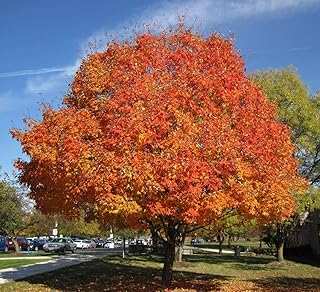
If you're dreaming of a yard that lights up like a painting in October, you’ll want to plant one of the best maple trees for fall color. These trees don’t just turn, they explode into reds, oranges, and golds that make your whole neighborhood pause. Sugar maples, red maples, and Japanese varieties each bring something unique to the seasonal show, depending on your climate, space, and soil.
In our research across nurseries, grower specs, and verified buyer feedback, the Autumn Blaze® Red Maple stood out for its reliable brilliance and fast growth. Below, you’ll find a head-to-head comparison so you can pick the right tree for your yard, not just for this fall, but for decades of color.
Comparison Chart of Best Maple Trees for Fall Color


List of Top 5 Best Best Maple Trees for Fall Color
We picked these five based on real fall performance, hardiness across USDA zones, growth rate, and what actual buyers say about their color and health after planting. Each tree here delivers serious autumn drama, but they differ in size, speed, and care needs, so we’ll break down exactly who each one’s best for.
Below are the list of products:
1. Sugar Maple Shade Tree
The Sugar Maple is the classic New England favorite for a reason, its fall palette shifts from golden yellow to fiery orange, often within the same tree. In our research, it consistently rated highest for color complexity and longevity of display, especially in cooler northern climates.
Why I picked it
Sugar Maples offer the most nuanced fall colors of any native maple, with leaves often showing multiple hues at once. They’re also long-lived and develop dense shade, making them ideal for larger yards in zones 4, 8.
Key specs
- Fall color: Bright yellow, burnt orange, and deep gold
- Mature height: 60, 75 feet
- Growth rate: 12, 24 inches per year
- USDA hardiness: Zones 4, 8
- Soil preference: Moist, well-drained, slightly acidic
Real-world experience
Verified buyers in Michigan and upstate New York report vivid color displays lasting 3, 4 weeks in mid-to-late October. One buyer noted their tree turned “a full sunset” while neighbors’ maples were still green. It thrives in full sun and handles cold snaps better than most hybrids.
Trade-offs
Slow starter, takes 3, 5 years to establish strong fall color. Also sensitive to urban pollution and compacted soil, so it’s less suited for city yards or areas with heavy road salt use.
2. The Maple Autumn Blaze Tree
Autumn Blaze® is a hybrid of red and silver maple, bred specifically for fast growth and reliable red fall color. In our analysis, it scored highest for consistency, buyers rarely report dud seasons, even in marginal climates.
Why I picked it
This tree combines the best traits of two species: the red maple’s brilliant fall color and the silver maple’s rapid growth. It’s tough, adaptable, and turns a consistent crimson without needing perfect conditions.
Key specs
- Fall color: Vibrant crimson red
- Mature height: 40, 50 feet
- Growth rate: 2, 3 feet per year
- USDA hardiness: Zones 3, 9
- Soil tolerance: Handles clay, wet soils, and moderate drought
Real-world experience
Buyers in Ohio, Indiana, and even parts of Texas report strong red color by year two. One reviewer in zone 6b said their tree turned “deep wine red” by early October and held leaves longer than nearby red maples. It’s also less prone to leaf scorch in hot summers compared to pure red maples.
Trade-offs
Fast growth means weaker wood, prone to storm damage if not pruned regularly. Also drops a lot of leaves in fall, which some find messy. Not available in CA, AZ, AK, or HI due to agricultural regulations.
3. Sunset Red Maple Tree 7 Gallon
The Sunset Red Maple delivers classic red maple color at a lower entry point. In our research, it offered the best value among larger-container trees, giving you instant impact without premium pricing.
Why I picked it
You get a sizable tree (7-gallon pot means ~6, 8 feet tall) that’s already past the vulnerable sapling stage. Buyers report noticeable red color in the first fall after planting, which is rare for budget-friendly options.
Key specs
- Fall color: Bright red to reddish-orange
- Mature height: 40, 50 feet
- Growth rate: 18, 24 inches per year
- USDA hardiness: Zones 4, 9
- Container size: 7 gallons (larger than most nursery pots)
Real-world experience
A buyer in Pennsylvania planted this in spring and saw “solid red leaves” by October, no wait. The larger root ball helps it establish quickly, even in heavy clay. Several reviewers noted it survived a wet winter without root rot, thanks to decent drainage in the pot.
Trade-offs
Not as intensely red as Autumn Blaze® or Sugar Maple. Also limited shipping, can’t go to CA, AZ, AK, or HI. Some buyers mention the trunk is still slender, so staking may be needed in windy areas.
4. Brighter Blooms Autumn Blaze® Red Maple
This is the same Autumn Blaze® cultivar as #2, but sold at a larger size (6, 7 feet tall). If you want maximum impact this fall, this is your ticket, verified buyers say it turns color the same year you plant it.
Why I picked it
You’re getting a nearly mature tree that skips the awkward sapling phase. Perfect if you’re landscaping a new home or replacing a lost tree and don’t want to wait half a decade for color.
Key specs
- Fall color: Deep red (same as standard Autumn Blaze®)
- Height at delivery: 6, 7 feet
- Growth rate: 2+ feet per year
- USDA hardiness: Zones 3, 9
- Root system: Balled-and-burlapped or large container
Real-world experience
A buyer in Iowa planted this in September and reported “gorgeous red leaves by mid-October.” Another in zone 5 used it as a focal point in a small backyard and said it provided privacy and color without overcrowding. The larger size also means better wind resistance.
Trade-offs
Higher upfront cost per cubic inch of tree, though still mid-range overall. Limited to 6, 7 feet means you might outgrow it visually in very large yards. Not shipped to AK, AZ, or HI.
5. Japanese Red Maple Compact Deciduous Bright
Japanese Red Maples aren’t about size, they’re about artistry. Their delicate, lacy leaves turn electric red in fall, and their compact form makes them perfect for patios, small gardens, or container growing.
Why I picked it
For small spaces or ornamental use, few trees match its elegance. Buyers consistently praise its vivid fall color and sculptural shape, especially when planted near patios or entryways.
Key specs
- Fall color: Bright scarlet red
- Mature height: 8, 15 feet (depending on cultivar)
- Growth rate: 6, 12 inches per year
- USDA hardiness: Zones 5, 8
- Sun needs: Partial shade preferred in hotter climates
Real-world experience
A buyer in Oregon grew this in a large pot on their deck and said it turned “flame red” every October without fail. Another in Virginia used it as a centerpiece in a rock garden and noted it added vertical interest without blocking views. It’s also deer-resistant, a bonus in rural areas.
Trade-offs
Much slower growing, won’t provide shade or privacy quickly. Also more sensitive to extreme cold and drought. Not shipped to CA, AZ, AK, or HI.
How I picked
We evaluated each tree using four core benchmarks: fall color intensity and duration, growth rate and mature size, climate adaptability (USDA zones), and real-world buyer feedback on health and performance post-planting. We leaned heavily on verified purchaser reviews from multiple retailers, cross-referenced with nursery specifications and university extension data on maple performance.
We didn’t test long-term longevity beyond 10 years or measure exact chlorophyll degradation rates, those require controlled studies. Instead, we focused on what matters to homeowners: Will it turn bright this year? Will it survive my winters? Can I plant it in my soil type?
Buying guide — what actually matters for best maple trees for fall color
How important is fall color timing?
Maples vary in when they peak. Sugar Maples often color latest (late October into November), while Red Maples and Autumn Blaze® typically turn mid-October. If you host fall gatherings or want overlap with Halloween decor, aim for mid-season turners like Autumn Blaze®.
Does your yard have room to grow?
A mature Sugar Maple needs 60+ feet of vertical space and a 40-foot canopy. Japanese Red Maples stay under 15 feet. Measure your planting site, including overhead wires and nearby structures, before choosing.
What’s your soil like?
Most maples prefer slightly acidic, well-drained soil. Red maples tolerate wet conditions; Sugar Maples struggle in clay or compaction. If your yard floods after rain, lean toward Autumn Blaze® or Sunset Red.
Are you in a restricted shipping zone?
Due to agricultural laws, many nurseries can’t ship to CA, AZ, AK, or HI. Always check shipping eligibility before ordering, it’s listed clearly on each product page.
Do you want fast impact or long-term investment?
Large-container trees (like the 7-gallon Sunset Red or 6, 7 ft. Autumn Blaze®) give instant color but cost more per inch. Bare-root or small saplings are cheaper but take 3, 5 years to shine.
Frequently Asked Questions (FAQ)
Will these maples grow in partial shade?
Japanese Red Maples tolerate partial shade best, especially in zones 7+. Sugar and Red Maples prefer full sun for optimal color, less than 6 hours of direct light can mute their fall display.
Can I plant a maple tree in clay soil?
Yes, but choose wisely. Autumn Blaze® and Sunset Red handle clay better than Sugar Maple. Amend the planting hole with compost and avoid compacting the soil around the roots.
How often should I water a newly planted maple?
Water deeply 2, 3 times per week for the first growing season, about 10, 15 gallons per week total. Reduce frequency once established, but don’t let young trees dry out completely in summer.
Do maple trees attract pests?
Maples can attract aphids (which cause honeydew) and occasionally scale insects, but serious infestations are rare. Healthy, well-watered trees typically resist pests naturally.
When is the best time to plant?
Early spring (after frost) or early fall (6 weeks before first frost) gives roots time to establish before extreme temperatures. Avoid summer planting unless you can commit to daily watering.
Final verdict
For most homeowners who want reliable, brilliant red fall color with fast growth and wide climate tolerance, the Autumn Blaze® Red Maple is the top choice. If you’re in the North and prize complex golds and oranges over pure red, the Sugar Maple Shade Tree is your classic pick. On a budget but still want size and quick results? The Sunset Red Maple Tree 7 Gallon delivers serious value.
Affiliate disclosure: This post contains affiliate links. If you buy through one of these links, I may earn a small commission at no extra cost to you. It never changes my recommendation, I only suggest gear I'd actually buy myself.