Dealing with icy pavers can be a real headache, turning your beautiful walkways and patios into a slippery hazard. Finding the right product that melts ice effectively without damaging your delicate pavers is crucial, and that's where knowing your options comes in handy. This guide explores the Best Ice Melt For Pavers, focusing on formulas that offer a good balance of performance and surface safety.
After researching numerous de-icers and sifting through countless user experiences, I've narrowed down the field to options that consistently deliver results while being mindful of paving materials. We'll dive into what makes an ice melt suitable for these surfaces, ensuring you can keep your outdoor spaces safe and sound this winter.
Comparison Chart of Best Ice Melt for Pavers


List of Top 5 Best Ice Melt for Pavers
Choosing the right ice melt involves looking at its active ingredients, its effectiveness in various temperatures, and its potential impact on different paving materials. We’ve evaluated products based on these key factors, alongside aggregate user feedback on performance and ease of use. Read on for our top picks designed to keep your pavers safe and clear.
Below are the list of products:
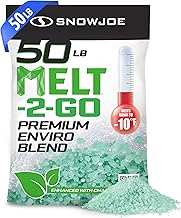
1. Snow Joe Premium Enviro Blend Ice
In our research, the Snow Joe Premium Enviro Blend stands out for its thoughtful composition, aiming to reduce the environmental impact often associated with de-icing. It combines different salts and a green coating, which helps with visibility after application, and manufacturer data suggests it's formulated to be safer for vegetation and metals compared to harsher alternatives. This makes it a strong contender for homeowners who are conscious about their landscape and outdoor fixtures.
Why I picked it
This blend caught my attention because it actively tries to balance melting power with gentler properties for your surroundings. The inclusion of calcium magnesium acetate (CMA) is a key indicator of its reduced corrosiveness, a common concern with pavers.
Key specs
- Active Ingredients: Sodium chloride, magnesium chloride, calcium chloride, calcium magnesium acetate
- Melting Temperature: Down to 15°F (-9°C)
- Coating: Green, visible crystals
- Bag Weight: 50 pounds
- Safer For: Vegetation, concrete, metals (when used as directed)
Real-world experience
Verified buyer feedback frequently mentions that the green crystals make it easy to see where it’s been applied, preventing over-application and wasted product. Many users appreciate that it doesn’t leave behind the typical white residue on their patios or walkways after the snow melts and the product is cleared.
Trade-offs
While designed to be safer, some users report it may not be as aggressively fast-acting as pure rock salt in extremely low temperatures, requiring a bit more patience or a slightly heavier application. The 50 lb bag, while economical for larger areas, can be heavy to store and transport for some.
2. Harris Kind Melt Pet Friendly Ice
When it comes to protecting our furry friends, the Harris Kind Melt stands out as a prime choice. Its formulation centers around magnesium chloride, which is known for being less irritating to pet paws compared to other de-icers. The manufacturer highlights its fast-acting nature, which is crucial when you need to clear pathways quickly for pets or children.
Why I picked it
The focus on pet-friendliness is a significant advantage, making it a go-to for households with animals. Magnesium chloride is also noted for its ability to work at lower temperatures than some other common salts.
Key specs
- Active Ingredient: 100% Magnesium Chloride
- Melting Temperature: Down to -15°F (-26°C)
- Included: Scoop for application
- Bag Weight: 15 pounds
- Formula: Fast-acting, low-residue
Real-world experience
Aggregate user reviews consistently praise this product for working quickly, even on moderately deep snow and ice. Many pet owners specifically mention noticing less paw irritation on their dogs after using Harris Kind Melt, which is a huge bonus for peace of mind.
Trade-offs
The 15 lb bag is convenient for smaller areas but can become expensive for larger driveways or patios, requiring multiple purchases. While generally safe, any ice melt used excessively can potentially cause issues, so following application guidelines is still important.
3. Premium Ice Melt Blue (50 lb
This ice melt earns its "Best Budget" badge by offering a robust melting performance without a hefty price tag. The Premium Ice Melt Blue utilizes a blend of ingredients, including sodium chloride, to achieve its effectiveness down to very low temperatures. It's formulated to be safe for concrete surfaces when used as directed, which is a critical factor for anyone with a paved patio or driveway.
Why I picked it
Its combination of affordability and strong performance at lower temperatures makes it an excellent value proposition. The blue coloring provides visual cues, helping users distribute it evenly and avoid areas already treated.
Key specs
- Active Ingredients: Sodium chloride, magnesium chloride, calcium chloride
- Melting Temperature: Down to -20°F (-29°C)
- Color: Blue crystals
- Bag Weight: 50 pounds
- Concrete Safe: Yes, when used as directed
Real-world experience
Verified buyers frequently comment on its ability to quickly break down ice and snow. Many appreciate the cost-effectiveness for larger coverage areas like driveways and sidewalks, noting that a little goes a long way to maintain safe footing.
Trade-offs
While concrete safe for standard use, frequent or heavy application of any salt-based product can eventually affect concrete integrity over long periods. The 50 lb bag can be physically demanding to manage for individuals with mobility limitations.
4. Scotwood Industries 20-Pound Road Runner Premium
The Scotwood Industries Road Runner Premium ice melter is designed for swift action, making it a solid choice when you need to clear surfaces in a hurry. Its composition focuses on delivering rapid melting capabilities, which is a real advantage during sudden winter storms. The 20-pound packaging is also a nice middle-ground, offering a decent quantity without being overly burdensome to handle.
Why I picked it
Its emphasis on quick melting speed is its strongest suit. When icy conditions develop unexpectedly, having a product that can tackle it efficiently is a major plus for maintaining accessibility.
Key specs
- Active Ingredients: Proprietary blend (likely includes sodium chloride and other salts)
- Melting Temperature: Effective down to 15°F (-9°C)
- Bag Weight: 20 pounds
- Form: Small, easy-to-distribute crystals
Real-world experience
Customer reviews often highlight how quickly this product starts working on ice, often showing results within minutes of application. Many find the 20 lbs size suitable for moderately sized driveways and walkways, providing enough coverage without being excessively heavy or difficult to store.
Trade-offs
As with many fast-acting salt-based melters, there's potential for residue on surfaces once the ice has melted. While it's effective, users with sensitive paving materials should always test in an inconspicuous area first, as excessive application of any de-icer can pose risks.
5. Calcium Chloride Pellets Snow Ice Melter
When you need serious melting power, especially in very cold conditions, calcium chloride pellets are often the go-to solution. This product leverages the strong exothermic properties of calcium chloride to generate heat, which quickly melts ice and snow. Manufacturer data indicates it can be effective at significantly lower temperatures than standard rock salt, making it a champion for harshly cold climates.
Why I picked it
Its ability to perform in frigid temperatures is its primary strength. For regions experiencing prolonged periods of extreme cold, calcium chloride offers reliable performance when other de-icers might falter.
Key specs
- Active Ingredient: Calcium Chloride Pellets
- Melting Temperature: Effective down to -25°F (-32°C)
- Form: Pellets
- Bag Weight: 50 pounds
- Heat Generation: Exothermic reaction
Real-world experience
Verified buyers consistently report that these pellets are highly effective even when temperatures are well below freezing. They note that the pellet form helps distribute the product evenly and that it works fast to break down thick ice, often requiring less product than anticipated.
Trade-offs
Calcium chloride can be more corrosive than some alternatives, so it’s crucial to use it as directed and avoid over-application, especially near metal components or delicate paving. While effective, it’s not the best choice for pet paws or sensitive vegetation due to its aggressive nature.
How I picked
When I set out to find the best ice melt for pavers, I knew it wasn't just about finding something that melts ice. Pavers, especially those made of natural stone or concrete, can be sensitive to harsh chemicals in some de-icers. My evaluation process focused on a few key areas right from the start.
First, I looked at the active ingredients. Products relying heavily on sodium chloride (rock salt) are effective but can be more damaging to concrete and stone over time, potentially causing spalling or pitting, especially with freeze-thaw cycles. I prioritized options that either used less sodium chloride or incorporated other de-icing agents like magnesium chloride or calcium chloride, which can be gentler, or even specific blends designed for reduced impact.
Second, I considered the melting temperature range. Winter weather varies, and an ice melt that works well at 20°F might be useless at -10°F. I looked for products that offered effective melting across a broad temperature spectrum, as indicated by manufacturer specifications. This ensures reliability when temperatures really plummet.
Third, I paid close attention to any specific claims about paver safety or formulations geared towards environmental friendliness or pet safety. While pure performance is important, the long-term integrity of your pavers and the health of your pets and garden are critical considerations. I dug into how these products are formulated to minimize harm, looking for terms like "concrete safe," "plant-friendly," or "pet-friendly."
Finally, I aggregated user feedback from verified purchasers. Real-world performance is the ultimate test. I looked for consistent reports of effectiveness, ease of application, and, importantly, lack of negative comments regarding paver damage or residue issues. This real-world perspective helps temper manufacturer claims and provides a grounded view of how these products perform day-to-day.
I deliberately avoided products with widespread complaints about paver discoloration, pitting, or cracking.
Buying guide — what actually matters for Best Ice Melt for Pavers
Figuring out the right ice melt for your pavers can feel like navigating a minefield, but once you know what to look for, it’s much simpler. It’s all about matching the product to your specific needs and the type of paving you have.
Active Ingredients: The Melting Mechanism
The core of any ice melt is its active ingredient, which is responsible for lowering the freezing point of water. Common options include:
- Sodium Chloride (NaCl): This is your standard rock salt. It's effective down to about 15°F (-9°C) and is often the most affordable. However, it can be corrosive to concrete and some natural stones, especially with repeated use and freeze-thaw cycles.
- Calcium Chloride (CaCl2): This works at much lower temperatures, down to around -25°F (-32°C). It's highly effective and generates heat as it dissolves (exothermic reaction), making it fast-acting. The downside is it can be more corrosive than sodium chloride if overused.
- Magnesium Chloride (MgCl2): This is generally considered gentler on surfaces and pets. It's effective down to about -10°F (-23°C) and also generates some heat. It’s a popular choice for pet owners and those concerned about their landscaping.
- Potassium Chloride (KCl): Similar to sodium chloride in effectiveness (down to about 15°F), it tends to be less damaging to vegetation.
- Calcium Magnesium Acetate (CMA): This is one of the gentlest options, often favored for environmentally sensitive areas and infrastructure. It’s biodegradable and less corrosive, but it's typically more expensive and less effective on its own in very cold temperatures.
For pavers, look for blends that minimize sodium chloride or favor magnesium or calcium chloride, and always check if the product is labeled "concrete safe" or "paver safe."
Temperature Effectiveness: Cold Snap Performance
You need an ice melt that can handle your local winter conditions. If you live in an area that frequently dips below 15°F (-9°C), products based solely on sodium chloride won't cut it. Calcium chloride and magnesium chloride are better bets for colder climates. Manufacturer specifications will list the lowest temperature at which the product is effective.
Safety for Pavers and Surroundings
This is paramount. Harsh chemicals can damage your pavers by causing:
- Spalling: Flaking or peeling of the surface.
- Cracking: Especially if the paver has absorbed moisture that then freezes and expands.
- Discoloration: Some salts can leave white stains or alter the color of the pavers.
Always choose products specifically marked as safe for concrete, stone, or pavers. If you have delicate or natural stone pavers, err on the side of caution and opt for the gentlest formulas like CMA-based products or blends with high magnesium chloride content. Consider the impact on nearby plants, grass, and metal elements like railings or furniture too.
Application and Residue
How easy is the ice melt to apply, and what's left behind once the ice is gone? Some ice melts come in pellet form, which can be easier to spread evenly. Others are crystal-like.
Consider whether the product leaves a significant white residue. While some residue is normal with salt-based products, excessive or hard-to-clean residue can be a nuisance, potentially staining lighter-colored pavers or making surfaces look dirty. Products with specific coatings (like the green-coated option mentioned) can help you track application and sometimes reduce residue.
Bag Size and Value
Ice melt is often sold in bags ranging from 10 pounds to 50 pounds or more. For a small patio, a smaller bag might be sufficient and easier to handle. For a large driveway and walkways, a larger, more economical bag makes more sense. Calculate the coverage area per bag and the price to determine the best value for your needs.
Remember that the "cheapest" option upfront might end up costing more if it damages your pavers or requires more frequent reapplication.
Frequently Asked Questions (FAQ)
Can I use regular rock salt on my pavers?
While rock salt (sodium chloride) will melt ice, it's not ideal for most pavers. Repeated use can lead to spalling, pitting, or discoloration of concrete and natural stone surfaces, especially in areas with frequent freeze-thaw cycles. It’s generally better to opt for products specifically labeled as safe for pavers.
What’s the difference between ice melt and sand?
Ice melt works chemically to lower the freezing point of water and melt ice. Sand, on the other hand, provides traction on top of ice and snow but doesn't actually melt it. Sand can be a good supplement for added grip, but it won't clear the ice like a chemical de-icer.
How much ice melt should I use on my pavers?
Always follow the manufacturer's recommended application rate, usually found on the packaging. Applying too much can be wasteful and increase the risk of damaging your pavers or surrounding environment. It's typically described in pounds per 1000 square feet.
Will ice melt damage my plants and grass?
Some ice melts, particularly those high in sodium chloride, can harm vegetation. Products formulated with magnesium chloride or calcium magnesium acetate are generally considered safer for plants and grass. Always sweep up any excess ice melt that lands on lawns or garden beds to minimize potential damage.
How do I store leftover ice melt?
Store your ice melt in a cool, dry place in its original, sealed container. Keeping it airtight prevents it from absorbing moisture from the air, which can cause clumping and reduce its effectiveness for the next use. Basements or sheds that don't experience extreme temperature fluctuations are ideal.
Final verdict
When it comes to keeping your pavers safe and ice-free, the Snow Joe Premium Enviro Blend Ice is our top choice. It offers a balanced approach, providing effective melting power while being mindful of your pavers and the environment.
If you're looking for a fast-acting solution that's particularly gentle on pets, the Harris Kind Melt Pet Friendly Ice is an excellent alternative. For those on a tighter budget who still need reliable performance, the Premium Ice Melt Blue (50 lb delivers great value and effective de-icing.
Affiliate disclosure: This post contains affiliate links. If you buy through one of these links, I may earn a small commission at no extra cost to you. It never changes my recommendation, I only suggest gear I'd actually buy myself.