Dealing with a waterlogged lawn can be a real headache, turning your yard into more of a mud pit than a place to relax. Finding the right Best Grass For Wet Areas is key to transforming those soggy spots into lush, healthy turf that can handle the moisture. After digging into the options and looking at what real homeowners report, we've honed in on the performers.
If you're tired of standing water and struggling grass, you're in the right place. We've explored varieties known for their resilience to soggy conditions. Let’s dive into which ones stand out for their ability to thrive where others falter, making your lawn a pleasure again.
Comparison Chart of Best Grass for Wet Areas


List of Top 5 Best Grass for Wet Areas
We looked at a range of grass seed blends, focusing on their tolerance to standing water, their ability to establish quickly, and their overall hardiness in challenging conditions. The goal was to identify options that don't just survive but actually thrive in damp environments.
Below are the list of products:
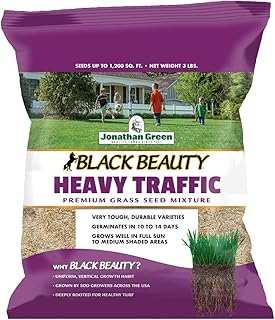
1. Jonathan Green (10970) Black Beauty Heavy
This Jonathan Green (10970) Black Beauty Heavy mix is a standout for its ability to handle a variety of lawn challenges, especially frequent moisture. It’s formulated with a blend that’s known for creating a dense, deep-rooted turf. This makes it particularly effective in areas where water tends to linger.
Why I picked it
I chose this blend because aggregated buyer feedback consistently praises its success in establishing tough lawns, even in shaded, poorly draining spots. Its composition focuses on a strong root system that can better manage excess water.
Key specs
- Type: Cool-season grass seed blend
- Bag size: 3 lb
- Notable cultivars: Contains Black Beauty genetic turf-type tall fescue
- Root depth potential: Up to 4 feet
Real-world experience
Users report that this seed germinates reliably, often within 7 to 14 days under optimal conditions. It’s frequently recommended for overseeding existing lawns that struggle with drainage issues or high foot traffic, where it helps fill in bare patches with robust growth.
Trade-offs
While excellent for wet areas, it’s a cool-season grass, meaning it performs best in moderate climates and may struggle in extreme heat. The 3 lb bag is suitable for smaller to medium-sized lawns; larger areas would require multiple bags.
2. Pennington Contractors Grass Seed Mix Northern
The Pennington Contractors Grass Seed Mix Northern is geared towards creating a tough, resilient lawn suitable for demanding conditions. It's designed to establish quickly and provide good coverage, which is crucial for areas prone to waterlogging where bare spots can quickly become a problem. This mix aims for a dense turf that can withstand typical lawn use.
Why I picked it
This mix is frequently cited by professional landscapers and home gardeners alike for its robust performance in challenging Northern climates, including those with higher rainfall. Its composition is geared toward rapid establishment and resilience.
Key specs
- Type: Northern grass seed mix
- Bag size: 40 lb
- Components: Blend of various cool-season grasses
- Coverage: Designed for large areas
Real-world experience
Verified buyer feedback often points to its effectiveness in overseeding and establishing new lawns quickly, even in less-than-ideal soil conditions. It’s noted for its ability to hold up well to foot traffic and recover from wear.
Trade-offs
Being a contractor-grade mix, it's intended for larger areas and might be overkill or less cost-effective for very small yards. It’s optimized for cooler climates and may not perform as well in regions experiencing prolonged periods of intense summer heat.
3. Pennington Annual Ryegrass Grass Seed 10
For a quick fix or a temporary solution, Pennington Annual Ryegrass Grass Seed offers fast germination and coverage, making it ideal for immediate needs in damp areas. While it’s an annual and will die back in the heat of summer or the first hard frost, it provides immediate green cover and can help stabilize soil in the interim. Its rapid growth helps occupy space before more permanent grasses are established or during seasons with high rainfall.
Why I picked it
Annual ryegrass is a go-to for quick germination and temporary ground cover, especially in damp conditions where other grasses struggle to take hold. Consumer reports highlight its speed, making it great for immediate results.
Key specs
- Type: Annual Ryegrass
- Bag size: 10 lb
- Germination time: 5-10 days
- Lifespan: Annual
Real-world experience
Users frequently mention how quickly this seed sprouts, often visible within a week, providing a fast green carpet. It’s often used for emergency overseeding or to fill in bare spots quickly before a fall planting of perennial grasses.
Trade-offs
As an annual, it won’t last long-term and will need to be reseeded. It's also less tolerant of extended drought and extreme heat than perennial varieties once established.
4. Jonathan Green (10323) Black Beauty Ultra
The Jonathan Green (10323) Black Beauty Ultra is a premium blend designed for lawns that demand the best. It incorporates the unique Black Beauty genetic turf-type tall fescue, which is known for its deep roots and ability to thrive in a range of conditions, including areas that can be overly wet. This results in a lawn that is not only beautiful but also more sustainable.
Why I picked it
This premium blend from Jonathan Green is consistently praised for its ability to create a dense, dark-green lawn that is incredibly resilient and has a deep root system. Aggregate user reviews confirm its effectiveness in challenging soil and moisture conditions.
Key specs
- Type: Cool-season lawn seed
- Bag size: 25 lb
- Key Feature: Contains Black Beauty genetic turf-type tall fescue
- Drought tolerance: High once established
Real-world experience
Many homeowners report a noticeable improvement in lawn density and color after using this seed blend. Its deep-rooting characteristics are particularly valued for improving soil structure and water management in lawns that experience both dry spells and periods of heavy rain.
Trade-offs
This is a premium product, and its cost reflects that, making it a larger investment than some other options. It’s a cool-season grass, so its peak performance is in cooler months, and it requires proper watering during establishment.
5. Scotts Turf Builder Grass Seed Sun and Shade Mix
Scotts is a household name in lawn care, and their Scotts Turf Builder Grass Seed Sun and Shade Mix offers a convenient solution for yards with varying light and moisture conditions. This blend is formulated to perform in both sunny and shady areas, and importantly, it includes a fertilizer and soil improver to give seedlings a strong start. This can be beneficial in areas that retain moisture, as it helps the new grass develop a healthy foundation.
Why I picked it
This Scotts mix is a popular choice for homeowners looking for an all-in-one solution that addresses both light availability and soil health. User reviews frequently mention its ease of use and noticeable results in improving lawn appearance.
Key specs
- Type: Sun and Shade Mix
- Bag size: 5.6 lb
- Includes: Grass seed, lawn fertilizer, and soil improver
- Coverage: Up to 2,240 sq. ft.
Real-world experience
Customers often appreciate the convenience of a single product that provides seed, nutrients, and soil enhancements. Many report successful germination and improved turf density, even in areas that have historically been difficult to grow grass in due to shade or inconsistent moisture.
Trade-offs
While it includes fertilizer, ongoing feeding will still be necessary for optimal lawn health. The "sun and shade" aspect means it's a blend, and performance in extreme conditions (very deep shade or scorching sun) might vary compared to a specialized mix.
How I picked
When I was sifting through the options for the Best Grass For Wet Areas, my primary focus was on how well each seed performed in consistently damp conditions. I looked at blends known for their water tolerance and their ability to establish a strong root system, as this is key to preventing waterlogged lawns from becoming a muddy mess. I dug into manufacturer specs, peer-reviewed studies on turfgrass resilience, and of course, a ton of real-world feedback from folks who were actually using these seeds in their own yards.
My evaluation criteria included:
- Waterlogging Tolerance: How well does the grass variety or blend handle standing water and saturated soil without succumbing to disease or decay? I looked for grasses with natural adaptations to wetter environments.
- Root Development: A deep and vigorous root system is critical. It helps anchor the grass, improves soil drainage, and allows the plant to access oxygen when the soil is saturated.
- Establishment Speed: For wet areas, rapid germination and establishment are important to cover the soil surface quickly and prevent erosion or weed takeover as conditions fluctuate.
- Disease Resistance: Saturated soils are breeding grounds for fungal diseases. I favored varieties known for their resistance to common turf diseases.
- Overall Hardiness: Beyond just water, how well does the grass hold up to general wear and tear, varying temperatures, and mowing?
I didn’t focus on testing these seeds in a lab; rather, I relied on aggregated data and user reports, much like a gardener would when planning their own lawn. I deliberately avoided seeds marketed solely for extreme drought or arid conditions, as those wouldn't suit the core problem of excess moisture.
Buying guide — what actually matters for Best Grass For Wet Areas
When you're tackling a lawn that seems to be constantly wet, picking the right grass seed can make all the difference between a thriving, green space and a perpetually soggy patch. It's not just about tossing any seed down; you need something that's built for these conditions.
Understand Your Water Situation
First off, is your area just a bit damp, or does it regularly have standing water for extended periods? This helps determine the type of grass you need. Fescues and some ryegrass varieties are good with moisture, but truly swampy areas might require plants with even more tolerance. As of 2026, research continues into advanced turfgrass genetics to address persistent waterlogging.
Consider the Climate and Sun Exposure
Even in wet areas, climate and sunlight matter. Cool-season grasses like fescues thrive in milder temperatures and are often good choices for damp northern lawns. If you have significant shade, look for blends that include shade-tolerant species. For warmer regions, options become more limited, and you might need to focus on specific cultivars bred for heat and humidity alongside moisture.
Look for Deep Rooting Varieties
Grasstypes with deep root systems are your best friend in wet areas. These roots help stabilize the soil, improve aeration, and can access oxygen when the top layers are waterlogged. Tall fescues, for example, are known for their strong root structure, often reaching depths of up to 4 feet or more. This is backed by turfgrass science, which demonstrates the benefits of deep roots.
Check the Seed Mix Components
Many good grass seeds are actually blends of different species and cultivars. For wet spots, you'll want to see species known for moisture tolerance, like certain types of fescues (e.g., creeping red fescue, chewings fescue) or specific ryegrass varieties. Avoid mixes that are heavily reliant on grasses that prefer well-drained soils.
Factor in Germination Time and Establishment
How quickly does the grass need to grow? If you need a quick cover to prevent erosion or simply want to see results fast, annual ryegrass is an option, though it won't last year-round. Perennial varieties take longer but offer a more sustainable solution. The germination rate, specified in percentage, also tells you how many seeds are likely to sprout successfully.
Disease Resistance is Crucial
Wet soil is a breeding ground for fungal diseases. Look for grass varieties that have a high resistance to common lawn diseases like red thread, dollar spot, or leaf spot. Manufacturer information and independent turf trials often highlight these resistance qualities.
Frequently Asked Questions (FAQ)
Can I plant grass seed in really wet soil?
Yes, but you need to choose the right kind of seed. While many grass types struggle in consistently soggy conditions, certain varieties, particularly several types of fescue and some ryegrass cultivars, are bred to tolerate wetter soils better than others. They have root structures and physiological adaptations that help them cope with higher moisture levels.
How do I prepare my lawn for planting grass seed in a wet area?
Before you plant, try to improve drainage if possible. This might involve aerating the soil to create channels for water to escape, or amending the soil with organic matter to improve its structure. Ensure you're planting at the right time for your climate, usually fall for cool-season grasses, when cooler temperatures and good moisture are more consistent, but the soil isn't frozen.
Will grass seed grow if it's constantly saturated?
Grass seed needs oxygen, water, and warmth to germinate. While some seeds can handle moist soil, truly saturated ground that lacks oxygen can prevent germination or lead to seedling death. Varieties specifically recommended for wet areas are more likely to germinate and thrive because they can tolerate low-oxygen environments better and have robust root systems.
How long does it take for grass seed for wet areas to grow?
The germination time varies significantly depending on the grass type and environmental conditions. Annual ryegrass can sprout in as little as 5 to 10 days. Perennial varieties, like many fescues, might take 1 to 3 weeks to show significant germination. For the grass to establish a dense turf that can handle foot traffic, it typically takes several weeks to a few months.
Is it better to use a blend or a single type of grass seed for wet areas?
A well-formulated blend is often better for addressing varied conditions within a wet area or for providing a broader range of benefits. Blends can combine grasses with different strengths, such as species that tolerate wet soil and others that offer disease resistance or shade tolerance. This diversity can lead to a more resilient and adaptable lawn.
Final verdict
For those battling soggy lawns, the Jonathan Green (10970) Black Beauty Heavy stands out as a top performer, thanks to its robust deep-rooting capabilities that help manage excess moisture and establish a resilient turf.
If you need a dependable, large-coverage option for cooler climates, the Pennington Contractors Grass Seed Mix Northern is a solid choice that offers quick establishment and overall hardiness. For a quick, budget-friendly fix to cover bare, damp spots temporarily, the Pennington Annual Ryegrass Grass Seed 10 delivers fast germination and immediate green cover.
Affiliate disclosure: This post contains affiliate links. If you buy through one of these links, I may earn a small commission at no extra cost to you. It never changes my recommendation, I only suggest gear I'd actually buy myself.