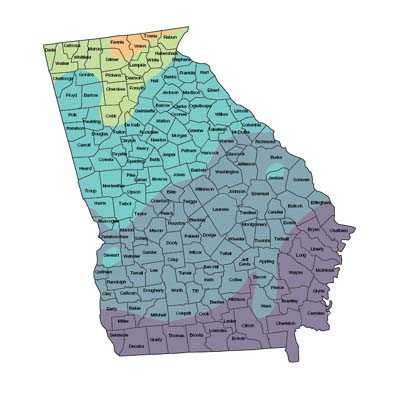
Looking to achieve a lush, green lawn in Georgia? The best Bermuda grass seed for Georgia is one that thrives in the region’s warm climate, drought conditions, and heavy foot traffic. For Georgia homeowners, selecting the right seed can make all the difference in creating a durable, vibrant turf that withstands the heat and stays green year-round. The top choices include varieties like TifTuf and Celebration, known for their drought tolerance and beautiful color. In just a few steps, you can transform your yard into a stunning outdoor space that’s perfect for relaxing or entertaining. Choosing the right Bermuda grass seed tailored to Georgia’s unique climate ensures a resilient, low-maintenance lawn that will stay healthy and attractive through every season.

Best Bermuda Grass Seed for Georgia: Your Complete Guide
Understanding Bermuda Grass and Why It’s Ideal for Georgia
Bermuda grass is a warm-season grass that thrives in hot, sunny climates. Its resilience against high temperatures makes it perfect for Georgia’s hot summers. This grass is known for its dense growth, beautiful appearance, and durability, making it a popular choice for lawns, sports fields, and golf courses in Georgia.
Georgia’s climate provides the perfect environment for Bermuda grass to flourish. The soil in many parts of Georgia supports healthy root development, which helps Bermuda grass spread quickly. Its drought tolerance is another major benefit, especially during Georgia’s dry summer months.
Types of Bermuda Grass for Georgia
Choosing the right type of Bermuda grass seed is essential for success. Here are some popular varieties suited for Georgia’s climate:
Common Bermuda Grass
This variety is widely used due to its fast germination and vigorous growth. It creates a thick, lush lawn that withstands heavy foot traffic. It’s ideal for homeowners looking for a durable and low-maintenance lawn.
Hybrid Bermuda Grass
Hybrid varieties like TifTuf and Tifway are known for their fine texture and improved drought resistance. They produce a smooth, carpet-like appearance and require less water once established.
Varieties for Shade and Cold Tolerance
While Bermuda grass loves the sun, some hybrid types can tolerate partial shade. For Georgia’s sometimes unpredictable weather, choosing a variety with improved cold resistance is wise to prevent winter damage.
Factors to Consider When Choosing Bermuda Grass Seed for Georgia
Picking the best seed involves understanding several key factors:
Climate Compatibility
Select varieties that thrive in Georgia’s hot summers and mild winters. Look for seeds labeled for the Southeast or warm-season regions.
Soil Type and Quality
Georgia soils often range from sandy to loamy. Conduct a soil test to determine pH and nutrient levels. Choose a bermuda seed that performs well in the existing soil conditions.
Sunlight Requirements
Bermuda grass needs full sun to grow its best. Ensure your lawn gets at least 6 hours of direct sunlight daily for optimal results.
Usage and Traffic Expectations
For lawns with high foot traffic or sports fields, select a hardy variety with excellent wear tolerance.
Top Bermuda Grass Seeds for Georgia
Here are some of the best Bermuda grass seed options specifically suited for Georgia homeowners and landscapers:
TifTuf Bermuda Grass Seed
– Outstanding drought tolerance
– Fine-textured, dense growth
– Excellent for high-traffic areas
– Grows well in sandy and loamy soils
Tifway Bermuda Grass Seed
– Known for its quick establishment
– Durable and resistant to drought and traffic
– Suitable for golf courses and sports fields
Common Bermuda Grass Seed
– Widely available and affordable
– Easy to establish and maintain
– Performs well in full sun and hot conditions
How to Plant Bermuda Grass Seed for Georgia
Proper planting methods lead to a healthy lawn. Follow these steps for the best results:
Timing
Plant Bermuda grass seed in late spring or early summer when soil temperatures reach at least 65°F. This ensures quick germination and growth.
Soil Preparation
– Remove weeds and debris from the area.
– Loosen the soil to a depth of 4 to 6 inches.
– Amend the soil with compost or fertilizer if necessary based on a soil test.
Seeding Process
– Spread seeds evenly using a spreader.
– Lightly rake the soil to cover the seeds.
– Water gently but thoroughly to keep the soil moist.
Watering and Maintenance
– Water daily until the grass is established.
– Reduce frequency as roots grow deeper.
– Mow when the grass reaches 1 to 2 inches in height.
Managing Bermuda Grass in Georgia’s Climate
Maintenance is key to keeping Bermuda grass healthy in Georgia. Here are some tips:
Watering Practices
Water deeply once or twice a week, depending on rainfall. Avoid overwatering, which can cause disease.
Mowing
Maintain a mowing height of 1 to 2 inches. Regular mowing encourages dense growth and controls pests.
Fertilization
Apply a balanced fertilizer during the growing season. A typical schedule involves fertilizing every 6 to 8 weeks.
Pest and Disease Control
Common issues include dollar spot, brown patch, and chinch bugs. Use appropriate fungicides and pest controls when needed.
Common Problems and Solutions
Knowing how to handle common Bermuda grass issues can help maintain a lush lawn:
Patchy or Thin Areas
Overseeding and proper fertilization can stimulate growth in thin spots.
Winter Kill
Select cold-tolerant varieties and provide minimal winter protection in cooler Georgia areas.
Weed Invasion
Keep the lawn healthy with proper mowing, fertilization, and watering. Use selective herbicides when necessary.
Related Topics for Georgia Lawn Care
Explore other aspects of maintaining a healthy lawn in Georgia:
Soil Testing and Amendment
Test pH and nutrients periodically. Amend soil with lime or organic matter as needed to optimize Bermuda grass growth.
Water Conservation Tips
Implement rainwater harvesting and efficient irrigation to reduce water use while maintaining a lush lawn.
Lawn Renovation and Overseeding
Revitalize tired lawns with overseeding using Bermuda grass seeds suitable for Georgia.
Organic Lawn Care Options
Utilize organic fertilizers and pest control methods to create a more sustainable lawn environment.
Summary of Key Points
Choosing the right Bermuda grass seed for Georgia depends on your climate, soil, and lawn usage. Varieties like TifTuf and Tifway offer excellent drought resistance and durability. Proper planting, watering, mowing, and fertilizing practices ensure a healthy, vibrant lawn. Regular maintenance and addressing common issues early will help you enjoy a lawn that stands out in Georgia’s warm climate.
By selecting the best Bermuda grass seed tailored for Georgia’s conditions and following proper care routines, you can create a lush, green, and durable yard that thrives through hot summers and mild winters.
What to look for when buying grass seed
Frequently Asked Questions
What factors should I consider when choosing bermuda grass seed for Georgia’s climate?
When selecting bermuda grass seed for Georgia, consider the region’s heat and humidity levels, soil type, and drought resistance. Look for varieties that thrive in warm, full sun conditions and are able to withstand periods of dry weather. Soil pH and fertility also influence seed performance, so choose seeds suited to your soil conditions for optimal growth.
Are there specific bermuda grass seed varieties that perform well in Georgia’s summer months?
Yes, hybrid bermuda grass varieties like TifTuf and TifGrand perform exceptionally well during Georgia’s hot summer months. These types establish quickly, maintain a dense turf, and resist heat stress better than traditional varieties, making them ideal choices for the region’s climate.
How can I ensure successful establishment of bermuda grass in my Georgia yard?
To successfully establish bermuda grass, prepare the soil by tilling and adding necessary nutrients. Sow the seed evenly and keep the soil consistently moist until the grass germinates. Proper mowing, watering, and fertilization practices will help the grass develop a healthy, dense lawn that endures Georgia’s seasonal changes.
Final Thoughts
The best bermuda grass seed for georgia thrives in warm climates with full sun exposure. It offers dense, drought-tolerant turf that handles the state’s humidity well. Selecting the right seed ensures a lush, durable lawn that requires minimal maintenance. By choosing the optimal seed, homeowners can achieve a beautiful yard year-round.