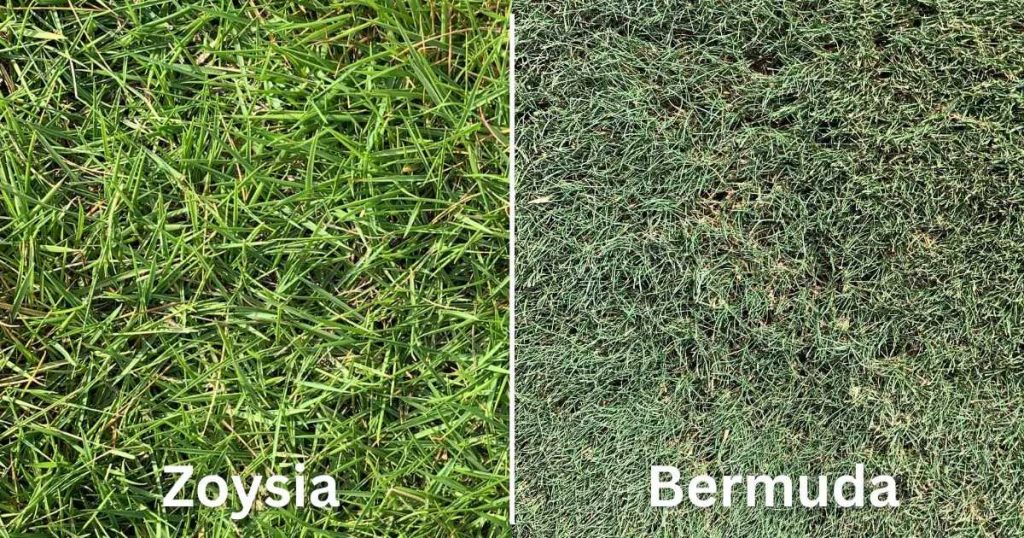
Bermuda grass and Zoysia grass each have their own unique strengths, but which one is better for your lawn? If you’re torn between these two popular turf options, the answer depends on your climate, maintenance preferences, and desired lawn look. Bermuda is known for its fast growth and vibrant green color, perfect for active yards, while Zoysia offers a thick, lush surface that’s more drought-tolerant and requires less mowing.
In a nutshell, Bermuda grass thrives in warm, sunny environments and needs regular maintenance, whereas Zoysia is more forgiving, handling shade and drought better but establishing more slowly. Choosing the right grass comes down to your lifestyle and local conditions, so understanding their differences can help you make an informed decision.
If you’re trying to decide between Bermuda and Zoysia grass for your lawn, understanding their growth habits, maintenance needs, and environmental compatibility is key. Bermuda grass is a vigorous, sun-loving grass ideal for high-traffic areas and warmer climates. Zoysia, on the other hand, adapts well to shaded spots, requires less frequent watering, and develops into a dense ground cover that’s softer underfoot. Your choice will hinge on factors like climate, lawn use, and how much upkeep you’re willing to do. Both grasses can create a beautiful yard, but knowing their distinct characteristics helps you select the best fit for your outdoor space.

Bermuda Grass vs Zoysia Grass: Which Is the Best Choice for Your Lawn?
Introduction to Bermuda and Zoysia Grass
Bermuda grass and Zoysia grass are two popular choices for lawns in warm climates. Each type offers unique qualities that make it suitable for different needs. Understanding their differences helps homeowners pick the best grass for their yard.
Growth Habits and Appearance
Bermuda Grass
Bermuda grass has a dense, fine texture that forms a lush green carpet. It spreads quickly through runners called stolons and rhizomes, covering large areas fast. Bermuda’s blades are typically narrow and shiny, giving standout visual appeal.
Zoysia Grass
Zoysia is known for its soft, thick blades that feel comfortable underfoot. It grows more slowly than Bermuda and forms a dense, low-growing turf. Zoysia has a slightly coarser texture but offers a more uniform, plush look.
Climate and Temperature Tolerance
Bermuda Grass
Bermuda thrives in hot, sunny climates and performs well in temperatures over 80°F. It can withstand high heat and drought conditions, making it ideal for southern regions. However, Bermuda tends to go dormant and turns brown during colder months.
Zoysia Grass
Zoysia handles heat and drought but is better suited for areas with mild winters. It can survive brief cold spells and remains green longer into the fall. In colder climates, Zoysia may go dormant but usually recovers quickly in spring.
Sunlight Requirements
Bermuda Grass
Bermuda needs at least 6 hours of direct sunlight daily to stay healthy and vibrant. It does not perform well in shaded areas and may thin out under trees or buildings.
Zoysia Grass
Zoysia can tolerate some shade, thriving with about 4 to 6 hours of sunlight. It is more adaptable to shaded conditions, making it a flexible choice for yards with trees or structures.
Maintenance Needs and Care
Bermuda Grass
Bermuda requires frequent mowing, often at 1 to 2 inches height. It also needs regular watering and fertilizing during the growing season. Its aggressive growth means it may need control to prevent unwanted spreading.
Zoysia Grass
Zoysia grows at a slower rate, reducing mowing frequency to once every 1 to 2 weeks. It is more tolerant of less frequent watering and fertilization. Its dense growth helps suppress weeds naturally.
Watering and Fertilization
Bermuda Grass
Bermuda demands ample water, especially during hot months, requiring about 1 to 1.5 inches weekly. Regular fertilization with nitrogen supports its vigorous growth and vibrant color.
Zoysia Grass
Zoysia is more drought-tolerant and needs less frequent watering once established. Fertilize lightly, about 2 to 3 times annually, to keep it lush without overfeeding.
Pest and Disease Resistance
Bermuda Grass
Bermuda can face issues like dollar spots, nematodes, and pests such as armyworms. Proper lawn care minimizes disease risk, but it remains somewhat vulnerable compared to Zoysia.
Zoysia Grass
Zoysia generally resists pests and diseases better due to its dense growth. It is more resistant to brown patch, rust, and yellow patch, making it easier to maintain.
Cold Tolerance and Dormancy
Bermuda Grass
Bermuda goes dormant and turns brown during winter cold snaps, usually recovering in spring. It is less suitable for areas with cold winters or fluctuating temperatures.
Zoysia Grass
Zoysia stays green longer into fall and handles cold weather better, often remaining semi-green during winter. It can survive brief frosts but may go dormant in colder climates.
Cost and Establishment
Bermuda Grass
Bermuda tends to be cheaper to establish and spreads quickly from seed or sod. It typically takes less time to develop a full lawn, making it cost-effective for immediate coverage.
Zoysia Grass
Zoysia is more expensive and slower to establish, often requiring sod or plugs. Its dense growth provides a solid, long-lasting lawn but involves higher initial costs.
Use Cases and Suitability
Bermuda Grass
Ideal for sports fields, golf courses, and lawns with high foot traffic. Bermuda’s resilience and quick growth are perfect for active areas.
Zoysia Grass
Best suited for ornamental lawns, shaded yards, and areas where a soft, plush lawn is preferred. Its slower growth makes it less ideal for high-traffic zones.
Environmental Impact
Bermuda Grass
Bermuda requires more water and fertilizer, which can impact resources. Its aggressive growth can also lead to invasive tendencies if not controlled.
Zoysia Grass
Zoysia is more environmentally friendly due to its drought tolerance and lower fertilization needs. Its natural weed suppression reduces the need for chemical control.
Selecting between Bermuda grass and Zoysia grass depends on your specific yard conditions, climate, and lawn use. Bermuda is a strong choice for active, sunny spaces requiring quick coverage, while Zoysia offers a softer, shade-tolerant option with lower maintenance needs.
This comprehensive comparison helps you weigh each grass type’s benefits and limitations. Think about your local climate, desired lawn appearance, and how much effort you’re willing to put into upkeep. With the right choice, you’ll have a lush, healthy lawn tailored to your environment and lifestyle.
Zoysia Grass vs Bermuda Grass for Lawns
Frequently Asked Questions
What are the differences in drought tolerance between Bermuda grass and Zoysia grass?
Bermuda grass is highly drought-tolerant and can survive extended dry periods with minimal water. It actively seeks out moisture and recovers quickly once watered. Zoysia grass, while reasonably drought-resistant, prefers regular watering to stay healthy and may turn brown or lose density during prolonged droughts. Therefore, Bermuda grass generally handles drought conditions better than Zoysia grass.
How do maintenance requirements vary between Bermuda and Zoysia grasses?
Bermuda grass requires frequent mowing, typically every 1-2 weeks during peak growth, along with regular fertilization and aeration to maintain a dense, healthy turf. It also benefits from dethatching to manage thatch buildup. Zoysia grass grows more slowly and requires less frequent mowing, usually every 2-3 weeks, which reduces overall maintenance time. Zoysia also demands less fertilization and is more tolerant of less frequent watering, making it easier to care for overall.
Which grass type performs better in shaded areas, Bermuda or Zoysia?
Bermuda grass struggles in shaded areas because it prefers full sun to thrive. It tends to thin out and become patchy in shaded spots. Conversely, Zoysia grass performs well in partial shade, maintaining good coverage and density. It adapts better to areas with limited sunlight, making it a preferable choice for shaded lawns.
How do cold tolerance levels compare between Bermuda and Zoysia grasses?
Bermuda grass has limited cold tolerance and can struggle when temperatures drop below 50°F (10°C), often going dormant in cooler months. Zoysia grass exhibits higher cold tolerance, remaining green and active in regions with cooler climates and temperatures as low as 10°F (-12°C). This makes Zoysia a better option for lawns in areas with colder winters.
What are the considerations for use on a high-traffic lawn?
Bermuda grass handles high foot traffic well once established, thanks to its dense, aggressive growth habit. It recovers quickly from wear and tear, making it suitable for active lawns. Zoysia grass also withstands heavy use but may recover more slowly due to its slower growth rate. For areas with intense activity, Bermuda grass often holds up better, but Zoysia can still perform adequately if properly maintained.
Final Thoughts
Bermuda grass thrives in warm climates, offering dense coverage and quick growth. Zoysia grass tolerates shade better and maintains a lush appearance with less frequent watering. Both grasses have unique strengths suited to different yard conditions.
In choosing between them, consider your climate and lawn maintenance preferences. Bermuda grass vs zoysia grass ultimately depends on your specific needs, making one a better fit for your landscape.