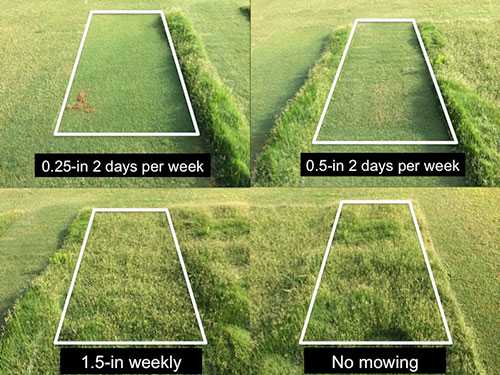
For a lush, healthy Bermuda grass lawn, keep the mowing height between 1 to 2 inches. This height encourages dense growth, suppresses weeds, and promotes durability. Never cut the grass too short, as it can stress the plant and lead to problems like disease and drought damage.
Maintaining the proper mowing height for Bermuda grass is essential for a vibrant, resilient lawn. If you mow too low, you risk weakening the grass and inviting weeds, while cutting too high can turn your lawn into a thick, unruly mat. Finding the right balance ensures your Bermuda grass stays lush, healthy, and withstands the test of time. In this article, we’ll explore the ideal mowing practices, tips for adjusting your mower, and how to keep your Bermuda grass thriving through the seasons. Whether you’re a seasoned gardener or just starting out, understanding the importance of proper mowing height can transform your yard into a stunning green paradise.

Bermuda Grass Mowing Height: How Tall Should You Mow Your Lawn?
Choosing the right mowing height is key to keeping Bermuda grass healthy and vibrant. The height you mow your lawn at affects its growth, appearance, and ability to withstand weather challenges. Understanding the ideal Bermuda grass mowing height helps you create a lush and durable lawn.
What Is the Recommended Mowing Height for Bermuda Grass?
Generally, Bermuda grass should be mowed to a height of about 1 to 2 inches. This range encourages dense growth and keeps weeds at bay. For high-traffic areas or sports fields, mowing closer to 0.5 to 1.5 inches can be beneficial.
Why Is Mowing Height Important for Bermuda Grass?
The right mowing height promotes healthy root development and prevents disease. Cutting too low can stress the grass, making it vulnerable to drought and pests. Conversely, mowing too high can lead to thin, weak lawns that are prone to weed invasion.
How Mowing Height Affects Bermuda Grass Growth
The mowing height influences how Bermuda grass stores energy. Mowing at the proper height allows the grass to develop a strong root system. It also affects the density and texture of your lawn, shaping its overall look and feel.
The Impact of Cutting Too Short
- Increases stress on the grass
- Weakens the root system
- Promotes weed invasion
- May cause scalping, damaging the turf
The Benefits of Taller Mowing
- Provides shade for the soil, reducing evaporation
- Encourages deeper root growth
- Helps the lawn recover quickly from heat
- Creates a more natural, lush appearance
Seasonal Adjustments in Mowing Height
Adjustments should be made based on the season to keep Bermuda grass healthy throughout the year. During the hot summer months, mowing closer to 1 inch can help keep the grass cool. In cooler seasons, raising the height to 1.5 inches can prevent stress and improve recovery.
Spring and Summer Mowing Tips
- Mow to about 1 inch for optimal heat tolerance
- Remove no more than one-third of the grass height at a time
- Keep mower blades sharp for a clean cut
Fall and Winter Adjustments
- Raise mowing height to about 1.5 inches
- Allow the grass to grow slightly taller to protect roots
- Reduce mowing frequency as growth slows
Tools and Techniques for Proper Bermuda Grass Mowing
Using the right equipment and techniques ensures consistent, healthy mowing. Sharp blades are essential for clean cuts, which reduce stress and disease risk. Regular mowing schedules help maintain the desired height and promote uniform growth.
Choosing the Right Mower
- Push mowers are ideal for small lawns
- Reel mowers provide a cleaner cut for fine-turf lawns
- Ride-on mowers are suitable for larger areas
- Adjustable cutting decks make height control easy
Best Practices for Mowing Bermuda Grass
- Set mower deck to the recommended height
- Cut when the grass is dry to avoid clumping
- Never remove more than one-third of the height at a time
- Vary mowing patterns to prevent soil compaction
Additional Tips to Maintain Healthy Bermuda Grass
Proper mowing is just one part of lawn care. Combining it with watering, fertilizing, and aeration will enhance the health and appearance of your Bermuda grass.
Watering Guidelines
- Water deeply once or twice a week
- Aim for about 1 to 1.5 inches of water per week
- Water early in the morning to reduce evaporation
Fertilization Tips
- Use a nitrogen-rich fertilizer suitable for Bermuda grass
- Apply fertilize every 6 to 8 weeks during the growing season
- Follow manufacturer instructions to avoid over-fertilizing
Soil Aeration and Dethatching
- Aerate to reduce soil compaction and improve air exchange
- Dethatch to remove excess organic matter that hinders growth
- Perform these tasks during active growth periods for best results
Common Mistakes to Avoid in Bermuda Grass Mowing
Knowing what not to do can prevent damage to your lawn. Avoid cutting your Bermuda grass too short or irregularly. Also, refrain from dull blades, which cause tearing instead of clean cuts.
Over-Mowing
Mowing too frequently or cutting too low can weaken the grass and increase disease risk. Stick to a consistent schedule and adhere to recommended heights.
Ignoring Blade Sharpness
Dull blades tear grass blades, leading to ragged edges and stress. Regularly sharpen mower blades to ensure smooth cuts.
Skipping Mowing Patterns
Changing your mowing pattern prevents soil compaction and promotes even growth. Alternate directions each time you mow.
Summary: Finding the Perfect Bermuda Grass Mowing Height
Selecting the correct mowing height for Bermuda grass is vital for a strong, healthy lawn. A height between 1 and 2 inches provides a good balance between appearance and resilience. Regular mowing practices, seasonal adjustments, and proper equipment usage will keep your Bermuda grass in top condition.
How Tall to Cut Bermuda – How Short to Cut Lawn
Frequently Asked Questions
How does mowing height affect the health of Bermuda grass?
Maintaining the proper mowing height promotes strong root growth and helps the grass resist pests and diseases. Mowing too short stresses the grass, making it more vulnerable to drought and damage, while mowing too high can lead to thatch buildup and uneven growth. Finding the right balance ensures a healthy and resilient Bermuda lawn.
What is the recommended mowing height for Bermuda grass during different seasons?
Typically, you should mow Bermuda grass to a height of about 1 to 1.5 inches during the growing season for optimal health and density. In the cooler months or dormancy period, raising the mower height to around 1.5 to 2 inches can protect the roots and conserve moisture. Adjusting the height based on seasonal conditions supports consistent turf quality.
How often should I change the mowing height for Bermuda grass?
Adjust your mowing height as needed based on the grass’s growth rate and weather conditions. During periods of rapid growth, slightly lowering the height can promote even coverage. Conversely, raise the height when the weather is dry or during dormancy to minimize stress on the grass. Regularly inspecting and adjusting your mower helps maintain optimal turf health.
What tools can help achieve a consistent Bermuda grass mowing height?
Using a mower with adjustable cutting heights allows precise control over grass height. Additionally, aerators and dethatchers can improve turf conditions, ensuring even mowing and reducing thatch buildup. Regularly sharpening mower blades prevents tearing and promotes a clean cut, supporting a uniform appearance.
Final Thoughts
Bermuda grass mowing height plays a crucial role in maintaining a healthy and attractive lawn. Keeping it at the right height encourages dense growth, reduces weeds, and enhances drought resistance.
Adjust your mower according to the season and specific lawn needs. Proper mowing practices contribute to the overall vitality of Bermuda grass.
In conclusion, understanding and maintaining the correct bermuda grass mowing height ensures a lush, resilient lawn that thrives.