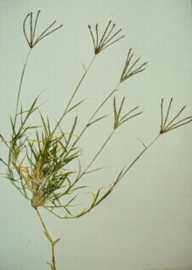
Bermuda grass thrives remarkably well in the savanna, offering lush, durable ground cover that withstands the harsh climate and seasonal droughts. To keep Bermuda grass healthy in this environment, proper management practices like controlled watering, fertilization, and regular mowing are essential. Engaging in these steps ensures the grass remains vibrant and resilient amid the savanna’s challenging conditions.
Bermuda grass is an excellent choice for the savanna because of its drought tolerance and ability to recover quickly from grazing or fire. By understanding the environmental needs and implementing suitable maintenance techniques, you can successfully cultivate Bermuda grass that adapts beautifully to the savanna’s unique ecosystem.
Bermuda grass in the savanna represents a perfect harmony between adaptability and resilience. As the savanna landscape endures fluctuations in rainfall and temperature, this grass not only survives but often flourishes, providing food for herbivores and stabilizing the soil. Its aggressive growth habit makes it an ideal ground cover, but to ensure it continues to thrive, it requires specific care. Proper water management, periodic fertilization, and mowing at the right height are crucial to preventing overgrowth or drought stress. Additionally, understanding how this grass interacts with the native flora and fauna helps in maintaining ecological balance. Whether used for grazing, erosion control, or ornamental purposes, Bermuda grass’s ability to adapt to the savanna’s conditions makes it a valuable and sustainable component of such landscapes.

Bermuda Grass in the Savanna: An In-Depth Look at Its Role and Importance
Introduction to Bermuda Grass and Its Presence in the Savanna
Bermuda grass is a warm-season grass widely recognized for its resilience and adaptability. It thrives in tropical and subtropical regions, making it a common sight in savanna landscapes. In the savanna, Bermuda grass plays a vital role in maintaining soil stability and supporting local ecosystems. Its ability to withstand dry spells and high temperatures makes it an ideal ground cover in these arid-to-moderate climates.
Physical Characteristics of Bermuda Grass in the Savanna
Bermuda grass features fine-textured leaves that grow densely, forming a thick carpet over the ground. Its roots extend deeply into the soil, which helps it access water during dry periods. The grass produces abundant stolons and rhizomes, allowing it to spread quickly across large areas. Its growth often results in a lush, green appearance during the rainy season, while turning brown during dry spells.
Growth Cycle and Seasonal Behavior
The growth cycle of Bermuda grass adapts well to the savanna’s seasonal changes. During the warm rainy season, Bermuda grass enters a vigorous growth phase, rapidly spreading and establishing new roots. In the cooler, dry season, the grass becomes dormant but remains resilient, shading the soil and reducing erosion. This seasonal behavior ensures the grass remains a reliable ground cover year-round, even in fluctuating conditions.
Environmental Factors Affecting Bermuda Grass in the Savanna
Several environmental factors influence Bermuda grass growth in the savanna. Temperature plays a major role; temperatures ranging from 75°F to 95°F preferably support its growth. Soil type is also important, with well-drained sandy or loamy soils favoring healthy development. Additionally, the grass requires adequate sunlight, thriving in open, sunlit areas with minimal shade.
The Role of Bermuda Grass in Soil Conservation
Bermuda grass’s dense root network helps prevent soil erosion, particularly important in the savanna’s often wind- and water-swept landscapes. Its ability to quickly establish in disturbed areas stabilizes the soil, reducing runoff and nutrient loss. This characteristic makes Bermuda grass a valuable tool for land management, especially in regions prone to desertification.
Water Management and Drought Resistance
One of Bermuda grass’s key advantages is its drought tolerance. Its deep roots can access water far below the surface, allowing it to survive extended dry periods common in the savanna. However, during the rainy season, it benefits from additional watering to promote lush growth. Its ability to conserve water while maintaining growth makes it suitable for arid and semi-arid environments.
Impact on Local Wildlife and Ecosystems
Bermuda grass provides shelter and food for various animals in the savanna. Small insects and ground-dwelling creatures thrive in its dense foliage. Its presence also encourages the growth of other plant species by stabilizing the soil, which benefits herbivores and predators alike. This interconnectedness supports biodiversity and overall ecosystem health.
Uses of Bermuda Grass in Savanna Conservation Efforts
Because of its adaptability and soil-stabilizing qualities, Bermuda grass is frequently used in conservation projects. It helps reclaim degraded lands, preventing desertification and restoring natural habitats. Its quick establishment makes it a popular choice for creating pasturelands for livestock or grazing animals in the savanna.
Comparison with Other Savanna Vegetation
While grasses like Rhodes grass and bahia grass are also common in savanna regions, Bermuda grass stands out due to its resilience to drought and high traffic areas. It forms a denser sod, making it more suitable for areas that experience frequent use or grazing. Its rapid growth rate ensures quick recovery after grazing or disturbances.
Challenges and Limitations of Using Bermuda Grass in the Savanna
Despite its many benefits, Bermuda grass can sometimes become invasive, outcompeting native plants. If not properly managed, it may dominate large areas, reducing biodiversity. Additionally, excessive irrigation or fertilization can lead to overgrowth, requiring careful management to maintain ecological balance.
Management and Cultivation Tips for Bermuda Grass in Savanna Areas
Successful cultivation involves planting during the warm season when conditions are ideal for germination. Regular mowing helps keep the grass healthy and prevents it from becoming too invasive. Fertilization should be balanced to promote growth without encouraging excessive spread, and water should be applied judiciously during dry periods.
Economic and Agricultural Benefits
Bermuda grass supports livestock farming by providing high-quality forage, especially during the rainy season. Its durability under heavy grazing makes it a reliable pasture crop. Additionally, its quick establishment reduces land preparation costs, making it economically advantageous for farmers in savanna regions.
Additional Related Topics in Savanna Ecology
- Role of fire in managing savanna grasslands
- Effects of climate change on savanna vegetation patterns
- Native plant species in the savanna and their interactions with Bermuda grass
- Restoration techniques for degraded savanna lands
Future Perspectives and Research Needs
Ongoing research focuses on enhancing Bermuda grass’s drought tolerance and adaptability to changing climates. Scientists also study its interactions with native plants to prevent invasiveness. Better understanding can optimize its use for sustainable land management and ecological restoration.
Bermuda grass’s presence in the savanna offers many ecological and economic benefits. Its resilience against drought and ability to prevent soil erosion make it an essential component of land management strategies. Proper cultivation and management can maximize its positive impacts while safeguarding native biodiversity in these unique landscapes.
This Drought Killed Bermuda Grass, but…
Frequently Asked Questions
How does Bermuda grass thrive in the savanna’s climate conditions?
Bermuda grass adapts well to the savanna’s hot and dry climate by developing a deep root system that allows it to access water stored deep in the soil. Its drought-resistant properties help it survive prolonged dry spells, while its tolerance for high temperatures ensures it remains healthy. Additionally, Bermuda grass’s ability to spread quickly through stolons and rhizomes enables it to cover large areas efficiently, maintaining a resilient ground cover despite environmental stresses.
What role does Bermuda grass play in the savanna’s ecosystem?
Bermuda grass provides crucial ground cover that prevents soil erosion in the savanna. Its dense growth suppresses weed invasion, supporting native plant species. The grass also offers food and habitat for various herbivores and insects, contributing to the overall biodiversity. Moreover, Bermuda grass’s quick regrowth after grazing or fires helps stabilize the soil and sustains the food chain in the savanna.
Can Bermuda grass coexist with native vegetation in the savanna?
Yes, Bermuda grass can coexist with native savanna species when managed properly. It often forms part of the natural landscape, especially in areas disturbed by human activity or grazing. However, in some cases, it can become invasive if it spreads aggressively, outcompeting native plants. Responsible management, such as controlling its spread and maintaining native biodiversity, ensures healthy coexistence.
What are the benefits of using Bermuda grass for land rehabilitation in savanna regions?
Bermuda grass proves effective for land rehabilitation due to its quick establishment and soil stabilization abilities. It helps restore degraded areas by preventing erosion and improving soil fertility over time. The grass’s ability to grow in poor soil conditions makes it a valuable tool for rehabilitating disturbed landscapes, promoting ecological recovery and supporting local agriculture.
How does Bermuda grass affect fire management strategies in the savanna?
Bermuda grass influences fire management in the savanna by providing a continuous, dry fuel source that can increase fire intensity if not controlled. However, its dense growth also acts as a barrier, reducing the spread of wildfires in some areas. Land managers often utilize Bermuda grass strategically, balancing its presence to minimize fire risks while maintaining its benefits for soil stability and habitat support.
Final Thoughts
Bermuda grass in the savanna thrives due to its resilience and adaptability. It provides essential ground cover that prevents erosion and supports local ecosystems. Its deep root system helps it withstand droughts and fluctuating temperatures.
This grass also contributes to the grazing needs of herbivores, sustaining the savanna’s biodiversity. Its rapid growth ensures the landscape remains healthy and vibrant.
In summary, Bermuda grass in the savanna plays a vital role in maintaining ecological balance and supporting wildlife.