Looking for the perfect grass to transform your lawn into a lush, green paradise? Bermuda grass and fescue grass each have their unique benefits, making them popular choices for homeowners and landscapers alike. If you’re wondering which one suits your needs best, the answer depends on your climate, maintenance preferences, and aesthetic goals. Bermuda grass is highly heat-tolerant and ideal for warmer regions, while fescue thrives in cooler, shaded areas and requires less water. Choosing the right grass can ensure a beautiful, healthy lawn with less effort. In this article, we’ll explore the key differences between Bermuda grass and fescue grass, helping you make an informed decision for your outdoor space.
Bermuda grass is perfect for warm climates and high-traffic areas, offering a dense, resilient turf, whereas fescue is better suited for cooler weather and shaded spots, providing a soft, low-maintenance lawn. Both grasses have their advantages, but selecting the right one depends on your local climate and lawn needs.
Bermuda grass and fescue grass are two popular turf options with distinct characteristics. Bermuda grass is known for its durability and heat tolerance, making it ideal for southern climates, while fescue is appreciated for its shade tolerance and cooler climate adaptability. Knowing their differences helps homeowners choose the best grass for a thriving lawn year-round.

Bermuda Grass Fescue Grass: A Complete Guide to Two Popular Lawn Grasses
Understanding Bermuda Grass and Fescue Grass
Bermuda grass and fescue grass are two of the most common types of turfgrass used in lawns across many regions. Each has unique features that make them suitable for different climates and lawn purposes. Knowing their characteristics helps homeowners and landscapers choose the best grass for their needs.
Bermuda grass is a warm-season grass that thrives in hot climates. It grows vigorously during summer and goes dormant in winter. Fescue grass, on the other hand, is a cool-season grass that remains lush in cooler weather but struggles in high heat. Both types are popular choices but serve different environmental conditions.
Growth Habits and Appearance
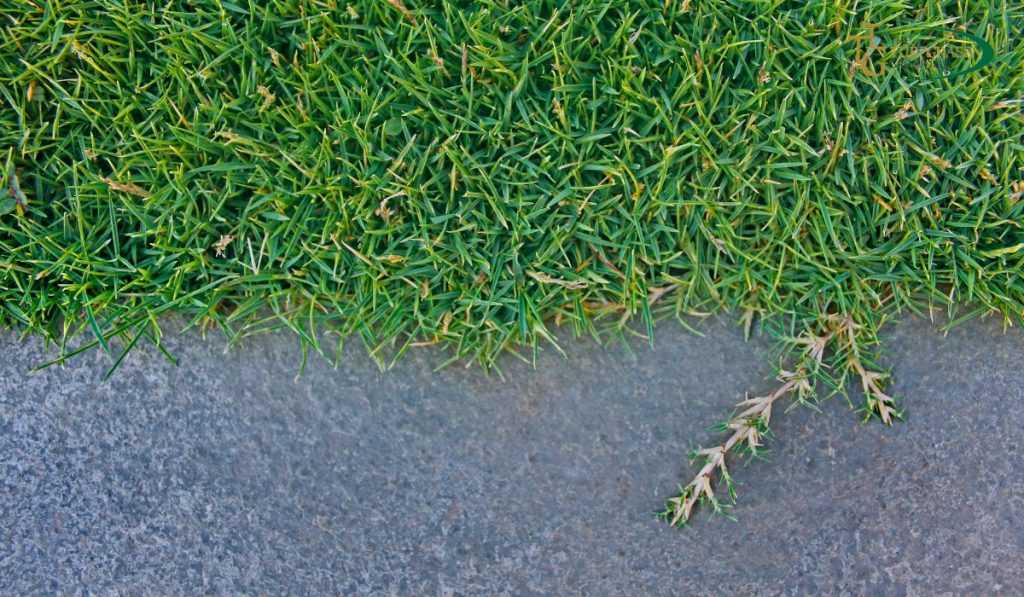
Bermuda grass forms a dense, carpet-like turf with fine to medium blades. It spreads aggressively through stolons and rhizomes, quickly filling in bare spots. Its color is typically a bright, vibrant green during peak season.
Fescue grass has a coarser texture with blades that are slightly wider than Bermuda. It tends to grow in clumps and doesn’t spread as rapidly. Fescue maintains a bluish-green hue that adds a cool, calming appearance to lawns. It forms a soft, lush surface that is comfortable to walk on.
Climate Compatibility and Growing Conditions
Bermuda grass loves warm temperatures and requires full sun to flourish. It prefers well-drained soil and thrives with at least 6 hours of direct sunlight daily. Bermuda is highly drought-tolerant once established but needs regular watering during dry spells.
Fescue grass performs best in cooler, shaded areas. It tolerates drought better than many other cool-season grasses but still benefits from consistent watering. Fescue prefers moist, well-drained soil and grows slowly in intense heat, often requiring overseeding for winter color.
Soil Requirements and Maintenance Needs
Bermuda grass grows best in sandy or loamy soils with good drainage. It requires minimal fertilization once established but responds well to nitrogen for vigorous growth. Mowing height for Bermuda should be kept between 1 to 2 inches for optimal health.
Fescue prefers slightly acidic to neutral soils rich in organic matter. It needs regular fertilization, especially nitrogen, to stay lush and green. Mowing height for fescue is typically around 2.5 to 4 inches, helping the grass develop a dense root system and resist pests.
Watering and Irrigation Tips
Bermuda grass is drought-tolerant but benefits from deep, infrequent watering for best growth. During the hot summer months, watering twice a week ensures healthy turf. Proper irrigation prevents thatch buildup and encourages deep root growth.
Fescue grass needs consistent moisture to stay green and healthy. Water deeply once or twice a week, depending on rainfall. Avoid overwatering, as it can lead to disease and shallow roots, making the grass more vulnerable.
Pest and Disease Resistance
Bermuda grass is relatively resistant to pests like armyworms and mole crickets but can be susceptible to fungal diseases if overwatered or kept in poor drainage. It’s important to monitor for signs of disease and treat promptly.
Fescue grass tends to resist pests such as chinch bugs and ticks better than warm-season grasses. However, it can develop issues like leaf spot, dollar spot, or rust if conditions are overly humid or wet. Regular lawn maintenance helps prevent these problems.
Common Uses and Suitability
Bermuda grass is ideal for sports fields, golf courses, and lawns in southern regions. It handles high foot traffic and intense sun exposure well. Its resilience makes it perfect for active households or commercial properties.
Fescue grass suits shaded areas, front lawns, and lawns in northern regions. Its cool tolerance, aesthetic appeal, and adaptability to lower maintenance make it a favorite among homeowners seeking a lush, comfortable yard. It’s also suitable for parks and playgrounds.
Pros and Cons of Bermuda Grass and Fescue Grass
| Feature | Bermuda Grass | Fescue Grass |
|---|---|---|
| Climate | Warm-season | Cool-season |
| Growth Rate | Fast | Moderate to slow |
| Maintenance | Low to moderate | Moderate |
| Drought Tolerance | High | Moderate |
| Shade Tolerance | Low | High |
| Wear Resistance | Excellent | Fair |
| Appearance | Bright green, dense | Blue-green, soft |
Matching Grass Type to Your Lawn Needs
Choosing between Bermuda and fescue depends on your climate, sunlight, and lawn usage. Bermuda is best in hot, sunny regions with high foot traffic. Fescue works well in cooler areas with shaded spots or where a softer aesthetic is desired.
Consider the amount of maintenance you’re willing to invest. Bermuda requires less frequent mowing but needs regular fertilization. Fescue needs more consistent watering and fertilization but offers shade tolerance and a plush appearance.
Establishment and Overseeding Tips
Bermuda grass establishes quickly from seed or sod, often taking a few weeks to fully grow. Proper soil preparation and nutrient management help establish a healthy turf.
Fescue is typically overseeded in cooler months to maintain year-round color. Use high-quality seeds and rake the soil thoroughly for good seed-to-soil contact. Water regularly until seedlings are established, then reduce frequency.
Enhancing Your Lawn with Bermuda or Fescue
Enhancing either grass type involves proper fertilization, mowing, and aeration. Use slow-release nitrogen fertilizers to sustain growth and color.
Regular mowing at recommended heights helps prevent thatch buildup and encourages dense turf. Aerating the soil annually improves water and nutrient penetration, especially for fescue lawns.
Related Topics
- Choosing the right fertilizer for Bermuda and fescue
- Best mowing practices for each grass type
- Dealing with common lawn pests and diseases
- Overseeding strategies for year-round lawn health
- Water conservation tips for maintaining healthy turf
Both Bermuda grass and fescue grass serve unique functions and have specific care requirements. Understanding their differences allows for better lawn management and long-lasting, attractive landscapes. By considering climate, sunlight, and lawn usage, you can select the perfect grass type for your outdoor space. Proper maintenance ensures a lush, healthy, and resilient yard that enhances your home’s curb appeal for years to come.
Sun & Shade – Bermuda – Fescue | Grass Comparison
Frequently Asked Questions
What are the main differences between Bermuda grass and fescue grass in terms of climate suitability?
Bermuda grass thrives in warm, sunny climates and performs well in areas with hot summers and mild winters. It remains green and vigorous during the warmer months but can go dormant in colder temperatures. Fescue grass, on the other hand, is more suited to cooler climates. It stays lush and green during the fall and winter but tends to struggle in extreme heat, often going dormant or thinning out in the summer. Selecting between the two depends on your region’s temperature patterns and seasonal weather conditions.
How do maintenance requirements vary between Bermuda grass and fescue grass?
Bermuda grass generally requires frequent mowing to keep it at an optimal height and regular watering during dry periods. It also benefits from fertilization to promote dense growth. Fescue grass demands less frequent mowing but needs consistent watering, especially during droughts. It often requires aeration and overseeding to maintain its quality. Overall, Bermuda grass tends to be more resilient to drought but needs more active management, while fescue is easier to care for in terms of watering needs but requires attention to prevent it from thinning out.
Which type of grass provides better resistance to foot traffic and wear?
Bermuda grass offers excellent durability and can withstand heavy foot traffic, making it ideal for sports fields and high-activity lawns. Its dense root system helps it recover quickly from damage. Fescue grass has moderate wear resistance; it holds up well under light to moderate use but may struggle with heavy foot traffic, especially if not properly maintained. For frequently used areas, Bermuda grass typically outperforms fescue in durability and recovery speed.
Can Bermuda grass and fescue grass be grown together in the same lawn?
Growing Bermuda grass and fescue grass together often presents challenges because their growth patterns and environmental needs differ significantly. Bermuda prefers full sun and warmer temperatures, while fescue prefers cooler, shaded areas. Attempting to establish both in the same space can lead to uneven growth and maintenance issues. It’s generally best to choose the grass type best suited for your climate and yard conditions to ensure a healthy, uniform lawn.
What are common issues faced when maintaining Bermuda grass and fescue grass?
Bermuda grass can develop thatch buildup and may become invasive if not managed properly. It also struggles in shaded areas. Fescue grass is prone to fungal diseases, especially in overly moist conditions, and can suffer from pest problems like chinch bugs. Both types require proper fertilization and irrigation practices to stay healthy. Regular lawn care helps prevent these issues and promotes a resilient, attractive yard.
Final Thoughts
Bermuda grass and fescue grass each offer unique benefits for lawns. Bermuda grass thrives in warm climates, providing a dense and resilient turf that recovers quickly from wear. Fescue grass, on the other hand, excels in cooler conditions, requiring less water and maintenance.
Choosing between these grasses depends on your local climate and your lawn care routine. Both types can create a lush, inviting outdoor space when properly maintained.
In summary, Bermuda grass fescue grass can enhance your lawn’s beauty and durability. Carefully selecting the right grass type ensures a healthy, vibrant yard tailored to your environment.