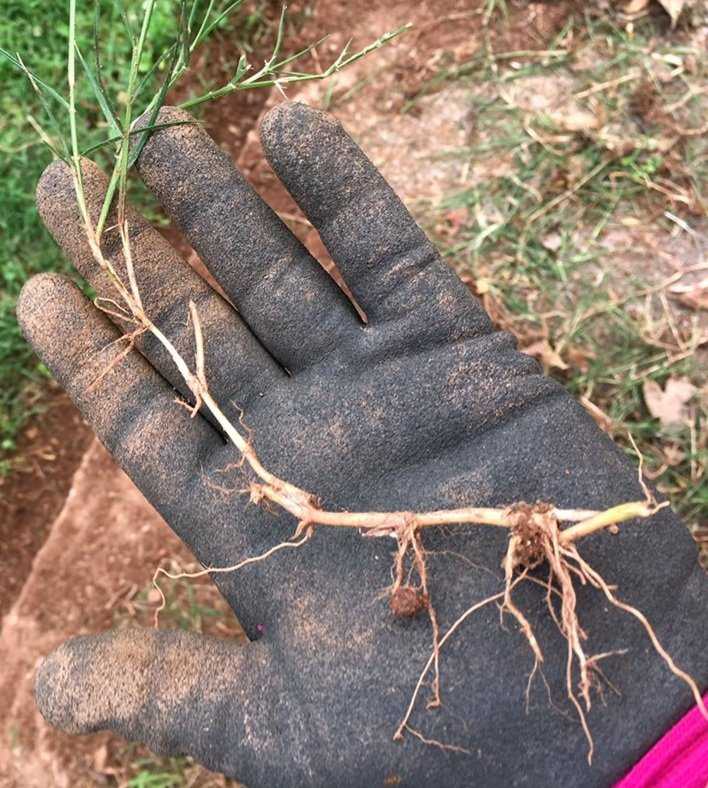
To kill bermuda grass naturally, apply a thick layer of mulch or use natural solarization methods to smother it. Regularly watering and removing the grass manually can also weaken it over time. Combining these eco-friendly strategies will effectively control bermuda grass without chemicals.
If you want to eliminate bermuda grass naturally, the best approach is to use organic methods like solarization and smothering with mulch. Mechanical removal combined with consistent maintenance can gradually weaken and eradicate the grass. These eco-friendly techniques work best over time and won’t harm your garden’s environment.
Struggling with bermuda grass taking over your lawn? Don’t worry—there are natural and safe ways to get rid of it without resorting to harsh chemicals. Bermuda grass is a resilient weed that can quickly spread, making it frustrating to control. Luckily, with some patience and the right eco-friendly tactics, you can restore your yard. From solarizing the soil to smothering with organic mulch, these methods target the grass at its roots while preserving your garden’s health. Plus, manual removal and regular maintenance will help prevent it from returning. Whether you’re aiming for an eco-conscious garden or simply want to avoid chemicals, these natural solutions can help you reclaim your lawn effectively.

How to Kill Bermuda Grass Naturally
Understanding Bermuda Grass and Why It Can Be Difficult to Remove
Bermuda grass is a tough, fast-growing warm-season grass that can quickly take over lawns and gardens. Its deep roots make it hard to eliminate completely. Knowing its behavior helps you choose the best natural methods to control it.
Why Use Natural Methods to Kill Bermuda Grass
Many people prefer natural ways because they are safer for the environment, pets, and children. Chemical herbicides can harm other plants and soil health. Natural approaches focus on persistent, eco-friendly strategies to reduce Bermuda grass.
Manual Removal Techniques
Pulling Out Bermuda Grass by Hand
This method involves pulling the grass out carefully, making sure to remove as many roots as possible. It’s best done when the soil is moist to make pulling easier. Regularly checking and removing new growth helps prevent regrowth.
Using Garden Tools for Better Results
Tools like a weeding fork or hoe can loosen and lift Bermuda grass effectively. Use these tools to dig around the roots, ensuring you remove the entire root system. This reduces the chance of the grass coming back.
Smothering Bermuda Grass with Heavy Cover
Applying Thick Mulch Layers
Cover Bermuda grass with at least 4 to 6 inches of mulch such as wood chips or straw. This blocks sunlight, preventing the grass from photosynthesizing. Keep the mulch in place for several months for best results.
Using Black Plastic or Tarp
Place black plastic sheeting or a tarp directly over Bermuda grass for 8 to 12 weeks. The lack of light kills the grass and its roots. Secure the edges with rocks or soil to prevent light from seeping in.
Natural Soil Treatments to Suppress Bermuda Grass
Amending Soil to Favor Other Plants
Adding organic compost and adjusting soil pH can make the environment less favorable for Bermuda grass. Promoting healthy, competitive plants can naturally outgrow and suppress Bermuda.
Improving Lawn Density with Healthy Grass
Plant thick, resilient grasses like fescue or bluegrass in areas invaded by Bermuda. A dense lawn leaves less space for Bermuda to establish and thrive. Regular watering and fertilizing help these grasses grow strong.
Natural Herbicides and Their Effectiveness
Vinegar as a Natural Herbicide
Applying vinegar, especially horticultural or cleaning-grade vinegar, can burn Bermuda grass leaves. Be cautious as vinegar may also harm desirable plants. Spray directly on the grass on a dry, sunny day for better results.
Boiling Water for Targeted Control
Pouring boiling water over Bermuda grass roots can scald and kill the plants. Use a watering can or spade to apply hot water directly to the root zones. Repeat as necessary for effectiveness.
Creating a Maintenance Routine to Prevent Regrowth
Consistent effort is key to controlling Bermuda grass naturally. Regularly inspect your lawn for new shoots and immediately remove or treat them. This prevents the grass from establishing again.
Additional Tips for Natural Bermuda Grass Control
- Maintain a healthy lawn through proper fertilization and watering to help native grasses compete better with Bermuda.
- Avoid over-watering or over-fertilizing, which can encourage Bermuda growth.
- Consider planting ground covers that can suppress Bermuda grass naturally, such as clover or creeping thyme.
Related Topics: Other Natural Lawn Care Strategies
Soil Testing and Improvement
A soil test helps determine nutrient levels and pH, guiding amendments that favor desired grass types and discourage Bermuda. Proper soil management improves lawn health overall.
Using Native Plants to Outcompete Bermuda Grass
Plant native species that are better adapted to your climate and soil to fill in spaces and prevent Bermuda from taking hold. Native plants require less maintenance and help sustain local ecosystems.
Controlling Bermuda Grass in Garden Beds
In flowerbeds, prevent Bermuda encroachment by laying landscape fabric beneath mulch. Regularly pull or cut back invading shoots to keep Bermuda at bay.
Summary of Natural Bermuda Grass Control Methods
Controlling Bermuda grass naturally involves a combination of physical removal, smothering, soil management, and diligent maintenance. These practices work best when combined over time and with patience. Through persistent effort, you can regain control of your lawn without chemicals, creating a healthy, balanced outdoor space.
How to kill Bermuda grass in a cool season lawn
Frequently Asked Questions
What natural methods can I use to weaken Bermuda grass effectively?
To weaken Bermuda grass naturally, you can regularly mow it at a higher setting to reduce its strength and spread. Additionally, increasing sunlight exposure by trimming nearby trees or shrubs reduces its vigor since Bermuda thrives in full sun. Overwatering promotes fungal diseases that damage the grass, while allowing areas of the lawn to dry out can inhibit its growth. Consistently applying these practices over time gradually weakens the Bermuda grass, making it easier to control or remove.
How can soil modifications help in controlling Bermuda grass without chemicals?
Altering soil conditions can suppress Bermuda grass growth naturally. Lowering soil fertility by reducing nitrogen levels makes the environment less favorable for Bermuda, which prefers nutrient-rich soil. Adding a thick layer of mulch or compost with high carbon content can smother the grass and prevent new growth. Also, maintaining a pH level that is not optimal for Bermuda (typically around 6.0 to 6.5) can weaken its ability to thrive, helping you manage the grass without chemical interventions.
Are there organic herbicide options that can eliminate Bermuda grass?
Yes, certain organic herbicides, such as those containing vinegar or citrus oils, can help control Bermuda grass. Applying a high-concentration vinegar solution directly to the grass during dry, sunny days burns the foliage and causes stress. Repeated applications are usually necessary, and it’s best to target small patches to prevent damage to surrounding desirable plants. Using these organic options in combination with physical removal methods provides a more effective and eco-friendly approach to managing Bermuda grass naturally.
Final Thoughts
Pour tuer bermuda grass naturellement, start by removing any debris and cutting the grass short. Apply a thick layer of mulch to block sunlight, preventing growth. You can also spot-treat stubborn patches with vinegar or boiling water for effective results. Consistently monitoring and maintaining your lawn will help keep bermuda grass at bay. With these steps, you can manage bermuda grass without harsh chemicals. How to kill bermuda grass naturally involves patience and consistent effort, but it is entirely achievable with these simple methods.