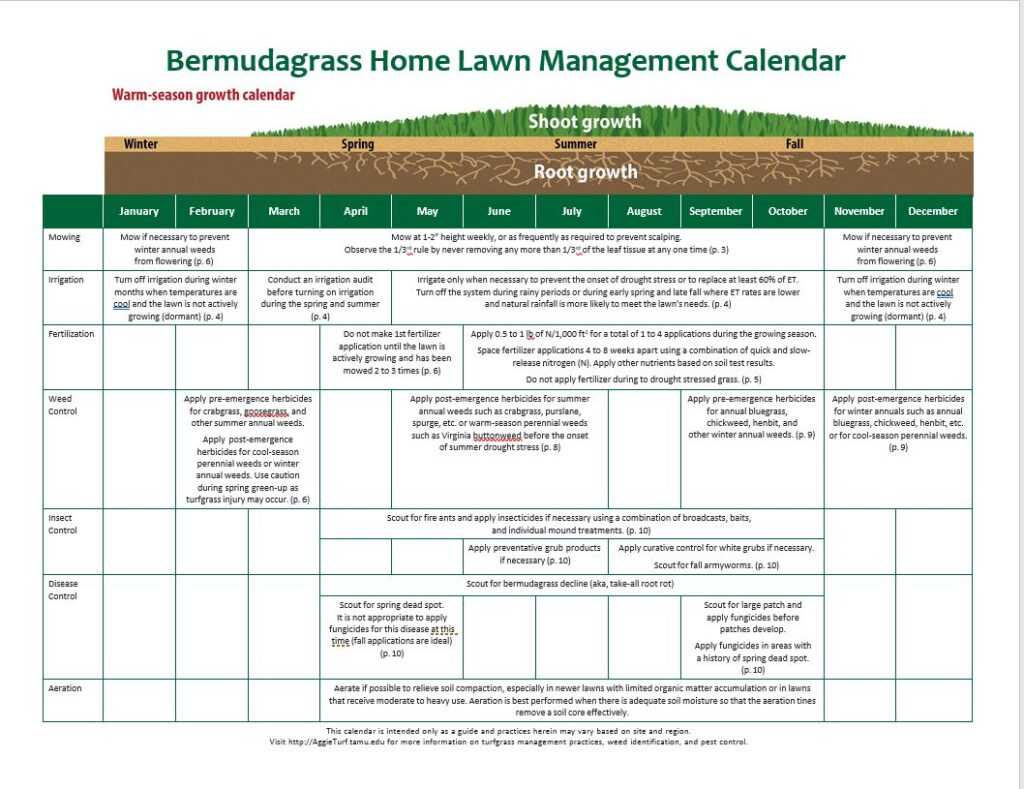
Looking to keep your Bermuda grass lush and vibrant all year round in Texas? The key is understanding the Bermuda grass calendar tailored specifically for Texas’s climate. By timing your watering, fertilizing, and mowing just right, you can enjoy a healthy, green lawn without wasting resources.
**Quick solution:** Start fertilizing in early spring, gradually increase watering as temperatures rise, and mow regularly during the growing season. The Bermuda grass calendar for Texas emphasizes strategic timing to maximize growth and health throughout the year.
Texas’s climate varies from arid to humid, which makes maintaining Bermuda grass a bit of a balancing act. With hot summers and mild winters, knowing precisely when to perform key lawn care tasks can make all the difference. This calendar guides homeowners through the year, highlighting optimal periods for fertilization, watering, aeration, and overseeding. By aligning your lawn care schedule with Texas’s seasonal shifts, you’ll promote thick, resilient turf that thrives despite the heat and occasional cold snaps. Whether you’re a seasoned gardener or a newbie, understanding your Bermuda grass calendar helps you plan your lawn care efficiently, saving time, effort, and resources while achieving that perfect green yard you’ve always wanted.

Bermuda Grass Calendar – Texas: A Complete Guide to Growing Healthy Turf
Understanding the Climate for Bermuda Grass in Texas
Bermuda grass thrives in warm climates, making Texas a perfect environment for this turfgrass. The state’s hot summers and mild winters support Bermuda grass growth year-round in many regions. Recognizing Texas’s specific climate zones helps homeowners and landscapers plan their Bermuda grass maintenance effectively.
Optimal Planting Times in Texas
The best time to plant Bermuda grass in Texas is during late spring and early summer when soil temperatures reach at least 65°F to 70°F. Planting during this period allows the grass to establish before the intense heat of summer. Avoid planting in late fall or winter, as cold temperatures hinder germination and growth.
Spring Planting
Spring, from March to May, offers ideal conditions for Bermuda seed germination. As soil warms, grass seedlings grow quickly, filling in bare spots. Spring planting gives Bermuda ample time to develop a robust root system before the peak summer heat.
Summer Planting Considerations
While summer planting is possible, it requires diligent watering and care. Ensure consistent moisture and apply proper fertilization to overcome heat stress. Avoid late summer planting when temperatures soar, as it may lead to poor establishment.
Watering Guidelines Throughout the Year
Proper watering is vital for Bermuda grass health in Texas. During active growth, typically from spring to early fall, Bermuda requires about 1 to 1.25 inches of water weekly. Deep and infrequent watering encourages deep root growth.
Spring and Summer Watering
Increase watering frequency during hot, dry spells to prevent stress and promote lush growth. Early morning watering is best to reduce evaporation and fungal diseases.
Fall and Winter Watering
Reduce watering in fall, especially if rainfall increases. Bermuda grass enters dormancy in colder months, so minimal watering helps conserve water and prevent disease.
Fertilization Calendar for Bermuda Grass in Texas
Fertilizer plays a key role in maintaining healthy Bermuda turf. A balanced fertilization schedule helps promote vigorous growth and color. Use fertilizers with high nitrogen content during active growing periods.
Spring Fertilization
Apply a nitrogen-rich fertilizer in March or April as the grass begins to green up. This boosts growth and prepares the turf for summer stress.
Summer Fertilization
Fertilize every six to eight weeks during summer with a quick-release nitrogen fertilizer. Proper feeding maintains color and density through the hottest months.
Fall and Winter Fertilization
Reduce fertilization in late fall. Applying a winterizer fertilizer high in potassium during October or November helps the grass recover from summer stress and improve winter hardiness.
Mowing Schedule for Bermuda Grass in Texas
Regular mowing encourages dense growth and keeps Bermuda grass looking neat. Maintain mowing heights between 0.75 to 1.5 inches depending on use and season.
Spring Growth Mowing
Begin mowing when grass reaches about 2 inches. Gradually lower the cutting height to stimulate dense lateral growth.
Summer Maintenance
During peak growth, mow weekly or more frequently if needed. Keep mower blades sharp to prevent tearing and disease.
Fall and Dormancy Period
Reduce mowing frequency as growth slows, but continue to trim occasionally. Do not mow below 1 inch in late fall to avoid stressing the grass.
Pest and Disease Management Calendar
Proper lawn care helps prevent pests and diseases that can damage Bermuda grass. Regular inspection and treatment when necessary keep the turf healthy.
Spring and Summer Prevention
Monitor for pests like armyworms, grubs, and chinch bugs. Use appropriate insecticides if infestations occur. Apply fungicides for disease control in humid or wet conditions.
Fall and Winter Considerations
Most pests are less active in cooler months, but watch for fungal diseases like dollar spot or brown patch. Use fungicides preventively if needed.
Overseeding and Renovation Timing
In some cases, overseeding Bermuda grass with other grasses may be desired. Timing depends on the region and intended use.
Best Time for Overseeding
Late spring or early summer, when Bermuda is actively growing, is ideal. Avoid overseeding in late fall to prevent competition during dormancy.
Renovation Strategies
Dethatching and aerating in early spring help prepare the soil for overseeding or turf renovation. Proper soil prep ensures good seed-to-soil contact for successful establishment.
Seasonal Challenges and Solutions for Bermuda Grass in Texas
Each season presents unique challenges that require tailored care approaches.
Summer Heat Stress
Use deep watering and avoid mowing too short to help Bermuda withstand high temperatures. Applying shade cloths in extreme heat can also protect the turf.
Winter Dormancy and Cold Damage
In northern Texas regions, Bermuda may turn brown or go dormant. Avoid excessive watering in winter, and plan for renovation if winter damage occurs.
Managing Thatch and Soil Compaction
Aerate in spring or fall to reduce soil compaction and thatch buildup. Amend soil with organic matter if drainage is poor.
Additional Tips for Successful Bermuda Grass Growth in Texas
Proper lawn care practices make a difference in Bermuda turf quality.
- Maintain proper mowing heights for density and health.
- Use soil tests to identify nutrient deficiencies and adjust fertilization accordingly.
- Avoid overwatering, which can lead to disease and root rot.
- Implement weed control to prevent competition for resources.
- Apply organic mulch around the turf edges for moisture retention and weed suppression.
Related Topics to Explore
Aside from the main calendar, consider exploring related topics such as watering techniques specific to Texas, organic lawn care practices, and drought-resistant Bermuda grass varieties. These can further improve your lawn’s health and sustainability.
This comprehensive Bermuda grass calendar tailored for Texas helps you plan yearly lawn care routines, ensuring your turf remains lush, green, and healthy through every season. Proper timing and attentive maintenance are key to thriving Bermuda grass in the Texas climate.
Bermuda Grass Calendar Please See New Calendar in Description
Frequently Asked Questions
What is the best time to plant Bermuda grass in Texas?
The optimal time to plant Bermuda grass in Texas is during late spring to early summer when soil temperatures consistently reach around 65-70°F. This timing allows the grass to establish roots before the hot Texas summer heat intensifies. Planting too early can cause seed rot or poor germination if soil temperatures are too low, while planting too late might give the grass less time to develop before the colder months arrive.
How often should I fertilize Bermuda grass throughout the year?
Fertilize Bermuda grass approximately every 6 to 8 weeks from spring through late summer to maintain healthy growth. Use a balanced fertilizer with a higher nitrogen content, especially during peak growing periods. In the fall, reduce fertilization and consider applying a winterizing fertilizer to promote root strength. Avoid over-fertilizing, as this can lead to thatch buildup and increased susceptibility to disease.
When should I perform overseeding or repair damaged areas of Bermuda grass in Texas?
The best time to overseed or repair Bermuda grass in Texas is during late spring or early summer, once the soil temperatures are warm enough for rapid seed germination. Ensure the area is properly prepared by removing dead grass and loosening the soil. Consistent watering during the germination period helps establish new growth quickly. Avoid overseeding during the peak heat of midsummer, as high temperatures can hinder seed emergence and establishment.
How can I prevent common pests and diseases on Bermuda grass in Texas?
Maintain a consistent lawn care routine that includes proper mowing, watering, and fertilization to keep Bermuda grass healthy. Aerate the soil annually to improve air circulation and reduce compacted areas where pests and diseases thrive. Monitor the lawn regularly for signs of pests like grubs or disease outbreaks, and treat problems immediately with appropriate methods. Applying organic or chemical controls at the first signs of trouble helps keep the grass resilient throughout the year.
What are the signs that Bermuda grass is entering dormancy in Texas?
Bermuda grass typically enters dormancy during the cooler months of fall and winter. Signs include a color change from vibrant green to brown or straw-colored, reduced growth activity, and a softer, less dense turf. This dormancy helps the grass conserve energy during periods of low temperatures. Once warmer weather returns in spring, the grass usually begins to green up and resume active growth. Proper maintenance during dormancy, like avoiding excessive foot traffic and scheduling minimal fertilization, supports healthy recovery in spring.
Final Thoughts
In summary, the bermuda grass calendar – texas guides you through optimal planting, watering, and maintenance times. Following this schedule ensures a lush, healthy lawn throughout the year. Adapting to seasonal needs helps prevent weeds and pest issues effectively. By sticking to the calendar, homeowners can enjoy a vibrant, green yard with minimal effort.