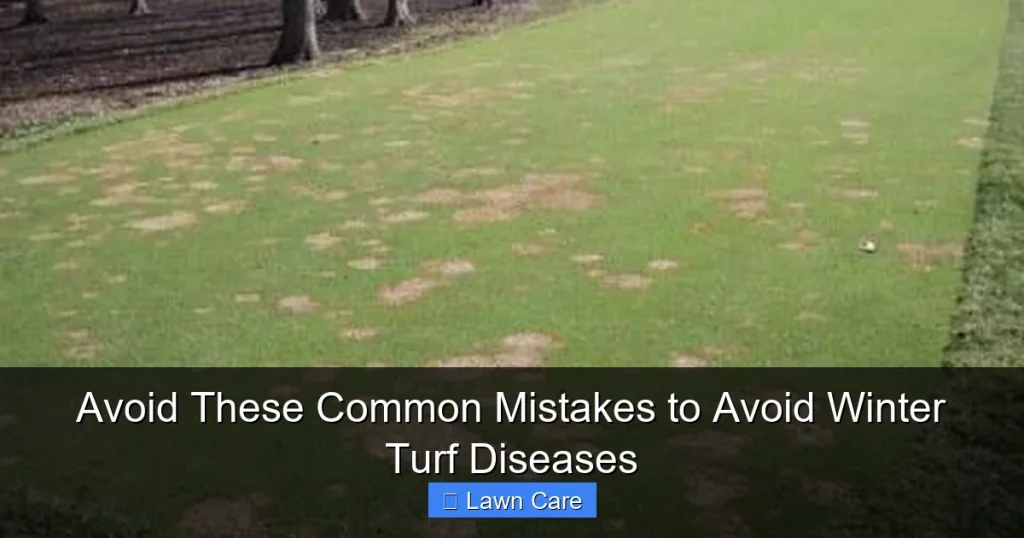
Winter turf diseases can wreak havoc on your lawn if you’re not careful. This article breaks down common mistakes people make that invite these problems, focusing on proper preparation, watering, mowing, and fertilization. By avoiding these pitfalls, you can significantly boost your lawn’s resilience against winter ailments and ensure a healthier green space come spring.
Ah, winter. For many of us, it’s a time of cozy blankets, hot cocoa, and dreaming of spring. But for your lawn, it can be a battlefield. As the temperatures drop and snow begins to fall, your turfgrass enters a period of dormancy. While it might seem like nature takes a break, unseen dangers lurk. Winter turf diseases are a real threat, and many homeowners unknowingly pave the way for them through common mistakes.
The good news? You don’t have to be a seasoned landscaper to keep your lawn healthy through the cold months. It’s all about understanding what your grass needs and, more importantly, what it doesn’t. This guide will walk you through the most common blunders that lead to winter turf diseases and provide simple, actionable steps to avoid them. Let’s get your lawn winter-ready and disease-free!
## Understanding Winter Turf Diseases
Before we dive into how to prevent them, let’s get a basic understanding of what we’re up against. Winter turf diseases are typically caused by fungi that thrive in cool, moist conditions. Even though your grass is dormant, these pathogens can still attack and damage the turf, leading to unsightly patches and weakened plants. Common culprits include snow mold (both gray and pink), dollar spot, and sometimes even pythium blight if conditions are just right. These diseases often become more apparent as the snow melts in the spring, revealing the damage done during the winter.
### The Role of Moisture and Temperature
The primary environmental factors that encourage winter turf diseases are excessive moisture and fluctuating temperatures. When temperatures hover between freezing and thawing, and the soil remains consistently damp, fungal spores have the perfect environment to germinate and spread. This is why fall preparation is so crucial. What you do (or don’t do) in the weeks leading up to winter can set the stage for disease or resilience.
### Recognizing the Signs
Early detection is key. While many of these diseases are most visible in late winter or early spring, their initial development often begins in the fall. Look for small, circular patches of discolored or dead grass. These patches can vary in color from white and gray to pinkish or tan. Sometimes, you might notice a cottony or web-like growth on the grass blades, especially in the early morning dew. Understanding these signs helps you react quickly if issues arise. For a deeper dive into common lawn ailments, you might find our article on common lawn diseases and how to prevent or treat them helpful.
## Mistake #1: Over-watering Your Lawn in the Fall
This is a big one. As the weather cools, we tend to think our lawns need less water. While it’s true they need less than in the peak of summer, completely neglecting watering can also be an issue. However, the opposite extreme – over-watering – is far more detrimental and a direct invitation to winter turf diseases.
### The “Just One More Soak” Mentality
Many people mistakenly believe that giving their lawn a “good, deep soak” right before winter sets in will somehow benefit it. While a deep watering is beneficial for promoting healthy root systems, doing it too late and too frequently in the fall can be disastrous. The goal is to allow the soil to drain and dry out sufficiently as temperatures drop.
### Why Too Much Fall Water is Bad
When the ground remains constantly saturated in the fall, it creates a perfect breeding ground for fungi. The grass, even though dormant, is still susceptible. Waterlogged soil also reduces oxygen levels, stressing the grass roots. As winter progresses and temperatures fluctuate, this excess moisture can freeze and thaw, damaging grass blades and creating entry points for disease. You want your lawn to enter dormancy with healthy, but not waterlogged, soil. For more on avoiding watering issues, check out our guide on how to avoid puddles when watering grass.
### The Right Way to Water in Fall
The key is to water deeply but infrequently as temperatures begin to cool. Aim for a thorough watering about once every 2-3 weeks, or when the top inch of soil feels dry. Stop watering altogether once the ground begins to freeze. This allows the soil to dry out naturally and reduces the risk of disease development.
## Mistake #2: Fertilizing Incorrectly or Too Late
Fertilizer is like food for your lawn, but timing and type are critical, especially heading into winter. A misguided fertilization strategy can do more harm than good.
### The Temptation of Late-Season Feeding
Some homeowners think that a final dose of fertilizer in late fall will give their lawn a “kick-start” for spring. While some late-season feeding can be beneficial (like a winterizer fertilizer), applying the wrong type or doing it too close to the first frost can be problematic.
### Why Late Fertilization Can Be Detrimental
Applying high-nitrogen fertilizers too late in the season encourages tender, new growth. This new growth is highly susceptible to frost damage and weakens the grass plant, making it more vulnerable to diseases that can overwinter in the soil. The goal for fall fertilization is to promote root development and replenish nutrients, not to stimulate lush top growth that won’t survive the cold.
### The Best Approach to Fall Fertilization
The ideal time for fall fertilization is usually in early to mid-fall, before the ground freezes. This allows the plant to absorb nutrients and build up reserves for winter. Using a fertilizer with a higher phosphorus and potassium content can help with root strength and cold hardiness. Look for fertilizers specifically designed as “winterizers.” For those with Kentucky Bluegrass, our guide on top 5 best winter fertilizers for Kentucky Bluegrass can offer valuable insights.
## Mistake #3: Leaving a Thick Layer of Fallen Leaves
Autumn leaves are beautiful, but a thick blanket of them on your lawn is a recipe for disaster. This is one of the most common mistakes that leads directly to winter turf diseases.
### The “Nature Will Take Its Course” Fallacy
Many people assume that fallen leaves will simply decompose over winter. While decomposition does happen, a thick, matted layer of leaves creates a microclimate that is perfect for fungal growth. It traps moisture, blocks sunlight, and smothers the grass.
### How Leaves Foster Disease
When leaves lie heavily on the grass, they prevent air circulation. This traps humidity and creates a damp environment directly against the grass blades. Furthermore, decomposing leaves can lower the soil pH, making it more acidic, which can favor certain diseases. The lack of sunlight also weakens the grass. Imagine a dark, damp cave – that’s what your lawn becomes under a thick layer of leaves.
### Effective Leaf Management
The best strategy is to remove fallen leaves regularly. You can rake them, use a mulching mower to chop them into small pieces that can filter down to the soil, or use a leaf blower. If you choose to mulch, ensure you don’t create an overly thick layer. A light mulching that allows sunlight to reach the grass is beneficial, but a heavy mat of shredded leaves can still cause problems. Consider composting your leaves; it’s a great way to recycle nutrients and avoid waste disposal issues. You can learn more about responsible yard waste management in our article on how to avoid common lawn waste disposal mistakes.
## Mistake #4: Mowing Too Short in the Fall
The urge to get that “nice, clean cut” before winter can lead to mowing your lawn too short. This seemingly small detail can have significant negative consequences for turf health and disease prevention.
### The Scalping Temptation
Many homeowners want their lawn to look neat and tidy as winter approaches. This can lead them to set their mower blades too low, effectively “scalping” the lawn. This removes too much of the grass blade, weakening the plant.
### Why Short Mowing is Harmful
Grass plants need their blades to photosynthesize and store energy for winter. Mowing too short reduces the plant’s ability to do this. Shorter grass also offers less insulation against cold temperatures and frost. Furthermore, it exposes the soil surface more directly, making it easier for diseases to take hold. A lawn that’s mowed too short is essentially stressed, and stressed turf is far more susceptible to winter diseases.
### The Right Fall Mowing Height
As fall progresses, gradually lower your mowing height, but avoid cutting too short. The final mow of the season should leave the grass at a slightly longer height than your usual summer cut – typically around 2.5 to 3 inches for most cool-season grasses. This provides a bit more protection against the elements and allows for better energy storage. For some specific grass types, like Zoysia, proper winter preparation is key. You can find detailed guidance in our article on how to prepare Zoysia grass for winter dormancy.
## Mistake #5: Neglecting Soil Drainage and Aeration
Good soil health is the foundation of a healthy lawn, and this is especially true going into winter. Poor drainage and compacted soil create conditions ripe for disease.
### The Waterlogged Trap
If your lawn doesn’t drain well, water tends to sit on the surface or remain saturated in the soil. This creates a constant damp environment, which, as we’ve discussed, is a disease magnet. Even without excessive watering from your end, poor drainage can keep your lawn soggy.
### The Impact of Soil Compaction
Over time, foot traffic, heavy equipment, and even natural settling can compact your soil. Compacted soil restricts air and water movement, making it difficult for grass roots to breathe and access nutrients. This stress weakens the grass, making it more vulnerable to diseases. It also exacerbates drainage problems.
### Solutions for Better Drainage and Aeration
In the fall, before winter truly sets in, consider aerating your lawn. Aeration involves creating small holes in the soil, which relieves compaction and improves air, water, and nutrient penetration. This is a crucial step in preparing your lawn for winter. If you’re new to this, learning about common lawn aeration mistakes beginners make can help you do it effectively. Addressing drainage issues might involve more significant landscaping changes, but simple improvements like ensuring downspouts direct water away from the lawn can make a difference.
## Mistake #6: Ignoring Lawn Debris and Foot Traffic
Beyond leaves, other forms of debris and excessive foot traffic can also compromise your lawn’s health during the crucial fall period.
### Accumulation of Debris
Besides leaves, think about fallen branches, twigs, and even discarded lawn furniture. If these items are left on the lawn for extended periods, they can smother the grass, block sunlight, and create localized damp areas, fostering disease.
### The Toll of Heavy Foot Traffic
While a little walking on the lawn is fine, excessive foot traffic, especially when the grass is wet or stressed, can compact the soil and damage the grass blades. This is particularly true as the grass heads into dormancy and becomes less resilient. Imagine walking on a sleeping person – it’s not ideal!
### Keeping it Clear and Accessible
Regularly clear your lawn of any debris. Ensure that any items left out are not suffocating large patches of grass. During late fall and early winter, try to minimize unnecessary foot traffic on the lawn. If you have specific areas that see a lot of wear, consider pathways or temporary protection to reduce compaction. This attention to detail helps maintain the integrity of your turf.
### Conclusion: A Proactive Approach to a Healthy Winter Lawn
Winter turf diseases aren’t inevitable. By understanding the common mistakes that lead to them, you can take proactive steps to protect your lawn. Remember, fall is the critical preparation season. Over-watering, incorrect fertilization, letting leaves pile up, mowing too short, neglecting drainage and aeration, and ignoring debris are all pitfalls that can be avoided.
Making these small adjustments in your fall lawn care routine can make a significant difference in the health and appearance of your lawn come spring. A little bit of effort now means a lot less worry and work later. So, take a deep breath, review these tips, and give your lawn the best possible chance to weather the winter storms and emerge vibrant and healthy. Your future self, enjoying a lush green lawn in the spring, will thank you for it!
- Over-watering in Fall: Excessive moisture in the fall creates ideal conditions for fungal diseases to establish before winter.
- Late Fertilization: Applying fertilizer too late in the season can promote tender new growth susceptible to frost and disease.
- Leaving Fallen Leaves: A thick layer of leaves smothers grass, blocks sunlight, and traps moisture, fostering disease.
- Improper Mowing Height: Mowing too short in the fall weakens grass, making it vulnerable to winter stress and diseases.
- Ignoring Drainage Issues: Poorly draining soil keeps roots waterlogged, which is a breeding ground for many turf diseases.
- Skipping Fall Aeration: Compacted soil hinders water and air movement, increasing the risk of winter turf diseases.
Quick Answers to Common Questions
Question 1?
What are the most common winter turf diseases?
The most common winter turf diseases are snow mold (both gray and pink), dollar spot, and sometimes pythium blight, all caused by fungi that thrive in cool, moist conditions.
Question 2?
Why is over-watering in the fall bad for my lawn?
Over-watering in the fall keeps the soil constantly damp, creating an ideal breeding ground for fungal diseases and stressing grass roots due to lack of oxygen.
Question 3?
When is the best time to fertilize my lawn for winter?
The best time to fertilize for winter is in early to mid-fall, before the ground freezes, using a fertilizer that promotes root development and cold hardiness.
Question 4?
How short should I mow my lawn before winter?
You should avoid mowing your lawn too short. The final mow should leave the grass at a slightly longer height, typically 2.5 to 3 inches, to provide protection and aid in energy storage.
Question 5?
What is aeration and why is it important for winter lawn health?
Aeration involves creating small holes in the soil to relieve compaction, improve air and water movement, and strengthen grass roots, making the lawn more resilient to winter stress and diseases.
Frequently Asked Questions
What are the signs of winter turf diseases?
Signs include small, circular patches of discolored or dead grass, which can be white, gray, pinkish, or tan. You might also notice cottony or web-like fungal growth on the grass blades, especially in the morning dew.
Can I still water my lawn in late fall?
Yes, but it should be deep and infrequent. Water only when the top inch of soil feels dry, and stop completely once the ground begins to freeze to avoid waterlogged conditions.
Is it okay to leave fallen leaves on my lawn all winter?
No, a thick layer of leaves can smother grass, block sunlight, trap moisture, and create a perfect environment for fungal diseases to develop. Regular removal or mulching is essential.
What happens if my lawn gets frostbite?
Frostbite, or frost damage, can weaken grass blades and make them more susceptible to diseases. Mowing too short in the fall increases this risk by reducing the grass’s natural insulation.
How can I improve my lawn’s drainage before winter?
Aerating your lawn in the fall is crucial for improving soil structure and drainage. Additionally, ensure downspouts direct water away from the lawn and consider professional landscaping for persistent drainage issues.
Are there any lawn care mistakes specific to winter?
Yes, common winter lawn care mistakes involve improper watering, late or incorrect fertilization, failing to remove fallen leaves, mowing too short, and neglecting soil health through aeration and drainage. These all contribute to winter turf diseases.