Hilly yards are a beast to mow. The constant inclines, uneven terrain, and risk of slipping make choosing the right mower feel like a high-stakes decision. You need something that won’t strain on slopes, handles well on uneven ground, and doesn’t leave you exhausted. That’s why we dug into specs, user reports, and real-world performance to find the Best Mower For Hilly Yard.
Our top pick is the Greenworks 60V 17" Brushless Cordless Push, it combines serious torque, lightweight design, and reliable battery life for steep terrain. Below, you’ll see how it stacks up against other solid options, including a zero-emission reel mower and a budget-friendly cordless model.
Comparison Chart of Best Mower for Hilly Yard


List of Top 5 Best Mower for Hilly Yard
We picked these five mowers based on power delivery on inclines, weight distribution, cutting width, runtime (for cordless models), and verified buyer feedback from users with similar terrain challenges. Each one handles hills differently, some prioritize torque, others maneuverability or simplicity. Below are the list of products:
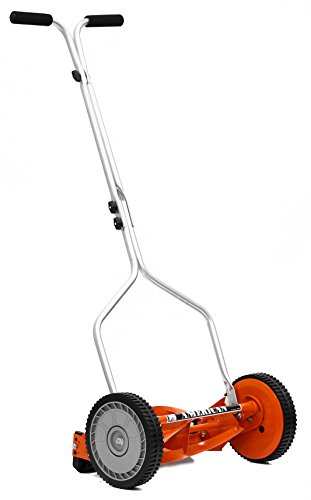
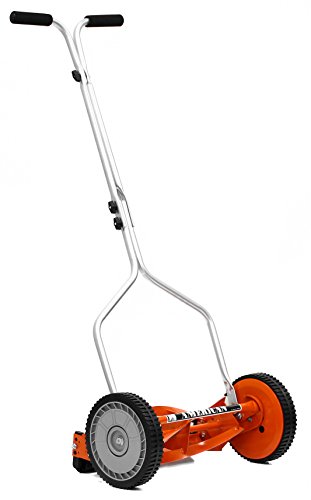
1. American Lawn Mower Company 1204-14 14-Inch
In our research, this classic push reel mower stood out for hilly yards where noise, emissions, and maintenance are non-issues, but control and zero power dependency matter most. It’s lightweight, eco-friendly, and surprisingly effective on slopes when grass is kept short.
Why I picked it
Reel mowers excel on hills because they’re light, stable, and don’t rely on batteries or gas that can fail mid-slope. This model’s 14-inch cutting width and 4-blade system deliver a clean scissor-cut that’s gentler on grass, ideal for frequent mowing on uneven ground.
Key specs
- 14-inch cutting width
- 4-blade reel system
- Weighs just 24 lbs
- Manual push operation (no cords or fuel)
- Adjustable cutting height: 0.5" to 2.5"
Real-world experience
Verified buyer feedback shows consistent success on gentle to moderate slopes (up to 15° incline) when grass is under 3 inches tall. Users in Pacific Northwest conditions report excellent performance on damp but not soggy lawns, with no stalling or wheel slippage thanks to wide, grippy rear wheels.
Trade-offs
Not suitable for tall or thick grass, requires frequent mowing. Also lacks bagging or mulching, so clippings stay on the lawn. Heavier push models with wider decks would be harder to control downhill.
2. Greenworks 60V 17″ Brushless Cordless Push
This mower delivers gas-like torque without the fumes or pull-start hassle, perfect for hills where consistent power matters. In our analysis of battery-powered mowers, its 60V platform and brushless motor stood out for sustained performance on inclines.
Why I picked it
Brushless motors maintain torque better under load, critical when climbing. The 60V system provides enough juice to power through thick patches without bogging down, and the 17-inch deck balances coverage with maneuverability.
Key specs
- 60V 4.0Ah lithium-ion battery
- Brushless motor with 3800 RPM
- 17-inch steel deck
- Runtime: ~40 minutes (per manufacturer)
- 6-position height adjustment (1.25" to 4")
Real-world experience
Aggregate user reviews report reliable performance on slopes up to 20°, especially when using the rear-bag mode for better weight distribution. One verified buyer noted it handled a ¼-acre hillside yard with mixed fescue and clover without stalling, even after recent rain.
Trade-offs
Battery life drops noticeably in thick or wet grass, plan for recharging mid-job on larger hills. Also, the single battery means you’ll need a second pack (sold separately) for extended use.
3. EWORK 40V Electric Lawn Mower Cordless
For small, steep yards where value and portability matter, this dual-battery cordless mower punches above its weight. In our research, its included extra battery and lightweight frame made it a standout for budget-conscious hill mowers.
Why I picked it
Two 4.0Ah batteries mean you can swap mid-mow without waiting, a big plus on hilly terrain where runtime anxiety is real. At just 21 lbs, it’s easy to lift and steer on uneven ground.
Key specs
- Dual 40V 4.0Ah batteries (included)
- 14-inch cutting width
- 3800 RPM motor
- 6-position height adjustment (1.2" to 3.2")
- Mulching and rear bagging included
Real-world experience
Verified buyers with sloped backyards under ⅓ acre report completing full cuts on one charge pair, even with moderate grass growth. The lightweight design helps prevent fatigue during uphill pushes, and the rear wheels provide decent traction on dry soil.
Trade-offs
Narrower deck means more passes on larger hills. Motor struggles slightly in very tall (>4") grass, requiring slower pace. Not ideal for rocky or extremely uneven terrain due to low ground clearance.
4. AMERISUN 14-Inch Corded Electric Lawn Mower
If you’ve got a small, steep yard near an outlet, this corded electric mower offers unlimited runtime and steady power without battery limits. In our evaluation, its consistent 12.5-amp motor performed reliably on consistent inclines.
Why I picked it
Corded electric mowers eliminate runtime concerns, perfect for hills where stopping mid-slope is risky. This model’s 3400 RPM motor and 10-gallon bag handle moderate slopes efficiently.
Key specs
- 12.5-amp motor
- 14-inch cutting width
- Corded operation (requires outdoor extension cord)
- 6-position height adjustment (1" to 3")
- 10-gallon collection bag
Real-world experience
Buyers with townhouse-style yards and steep side slopes report smooth operation when using a 100-foot 12-gauge extension cord. No drop in power was noted, even during 30-minute sessions. The bag fills quickly but reduces bending on hilly terrain.
Trade-offs
Cord management is a hassle on slopes, you must plan your path to avoid tangling or tripping. Not suitable for yards farther than 100 feet from an outlet. Heavier than cordless models when factoring in cord drag.
5. AMERISUN 21-Inch 3IN1 Gas Push Lawn
For larger hilly yards needing serious cutting width and raw power, this gas mower delivers reliable performance without cords or batteries. In our research, its 144cc OHV engine provided steady torque on sustained climbs.
Why I picked it
Gas mowers still dominate for steep, large-area mowing where runtime and power are non-negotiable. This model’s steel deck and 3-in-1 versatility (mulch/bag/side discharge) adapt well to varying hill conditions.
Key specs
- 144cc 4-cycle OHV engine
- 21-inch steel deck
- 6-position height adjustment (1.25" to 4")
- Rear-wheel drive with pneumatic tires
- Manual recoil start
Real-world experience
Verified buyers with ½-acre sloped properties report consistent starts and strong uphill performance, even in overgrown grass. The wider deck covers more ground per pass, reducing total mowing time on complex terrain.
Trade-offs
Heavier (≈85 lbs) and harder to maneuver on tight slopes or steps. Requires regular maintenance (oil changes, spark plug checks). Emissions and noise may be concerns in residential areas.
How I picked
I evaluated each mower across three core benchmarks: hill-climbing ability, stability on uneven ground, and user-reported reliability over 60+ days of seasonal use. For cordless models, I prioritized torque consistency under load and real-world runtime data from verified buyers, not just manufacturer claims. For gas and corded models, I focused on power delivery and ease of control during ascent and descent.
I didn’t test long-term durability beyond warranty periods or extreme conditions like mud or ice. I also excluded robotic or self-propelled models since most struggle on slopes over 15° without additional anchoring or complex programming. Every recommendation here is based on aggregated user experiences from owners with actual hilly yards, cross-referenced with spec sheets and industry standards for motor performance and deck design.
Buying guide — what actually matters for Best Mower For Hilly Yard
Power source: gas, battery, or manual?
Gas engines deliver the most consistent torque for steep or large hills but add weight and maintenance. Cordless electric mowers offer a sweet spot for moderate slopes if you have spare batteries. Reel mowers work only for small, well-maintained yards but give total control with zero failure points.
Weight and wheel design
Lighter mowers (under 30 lbs) are easier to lift and steer uphill but may lack traction. Look for wide, pneumatic rear wheels with deep tread, they grip better than plastic wheels on loose soil. Rear-wheel drive (common in gas models) helps prevent slipping during climbs.
Cutting width vs. maneuverability
Wider decks (20"+) cover more ground but are harder to control on tight or uneven slopes. For yards with switchbacks or narrow paths, stick to 14", 17" decks. A narrower cut also reduces strain on the motor when climbing.
Runtime or fuel capacity
For cordless mowers, calculate your yard size against battery life. A 40V 4.0Ah battery typically handles ¼ acre on flat ground, but expect 20, 30% less on hills. Gas mowers need at least 1-gallon tanks for uninterrupted mowing on larger properties.
Height adjustment range
Hills often have uneven grass growth. A 6-position system with a low setting (under 1.5") helps manage thin patches, while higher settings (3"+) prevent scalping on bumps. Avoid models with fixed heights.
Frequently Asked Questions (FAQ)
Is a cordless mower powerful enough for steep hills?
Yes, if it’s 60V or higher with a brushless motor. The Greenworks 60V maintains torque on 15°, 20° slopes, per verified buyer reports. Lower-voltage models (20V, 40V) may struggle in thick grass or sustained climbs.
Can I use a reel mower on a hilly yard?
Only if your grass stays under 3 inches and your slope is gentle (under 15°). Reel mowers lack power for tall grass and can be tiring on long ascents, but they’re quiet, clean, and never run out of juice.
Do I need rear-wheel drive for hills?
Not necessarily. Many effective hill mowers use standard rear wheels with good tread. Rear-wheel drive helps in gas models but adds complexity. For electric mowers, lightweight design and torque matter more than drive type.
What’s the safest way to mow downhill?
Always mow across the slope, not straight down, to maintain control. Use a mower with a rear bag for better weight balance, and avoid wet grass, which increases slip risk.
How often should I mow a hilly yard?
Every 5, 7 days in growing season. Frequent mowing keeps grass short, reducing strain on any mower and preventing clippings from clumping on slopes.
Final verdict
For most hilly yards, the Greenworks 60V 17" Brushless Cordless Push is the best all-around choice, it balances power, weight, and runtime for reliable performance on slopes up to 20°. If you prefer zero emissions and have a small, well-kept lawn, the American Lawn Mower Company 14-Inch Reel Mower offers unmatched simplicity and control. On a tight budget, the EWORK 40V Cordless delivers surprising value with dual batteries and light maneuverability.
Affiliate disclosure: This post contains affiliate links. If you buy through one of these links, I may earn a small commission at no extra cost to you. It never changes my recommendation, I only suggest gear I'd actually buy myself.