Watering your garden efficiently doesn't have to be a chore. A well-designed irrigation system can save you time, water, and even lead to healthier plants. For many gardeners, finding the right Best Pipe For Irrigation System is the first, crucial step in creating that perfect setup. I've spent the last few weeks digging into different options, looking at what makes them work, and how they hold up in real-world garden conditions.
After sifting through various systems, the CARPATHEN Drip Irrigation System Kit stands out as an excellent all-around choice. It comes with almost everything you need to get started, offering a great balance of quality and comprehensive components. This guide will walk you through the top contenders to help you make an informed decision for your watering needs.
Comparison Chart of Best Pipe for Irrigation System


List of Top 5 Best Pipe for Irrigation System
We've looked at a variety of drip irrigation kits and tubing designed to make watering your garden straightforward and efficient. Our selections were based on ease of installation, component quality, user feedback on durability, and overall value. You’ll find options suitable for both small container gardens and larger plots.
Below are the list of products:
1. CARPATHEN Drip Irrigation System Kit
1. CARPATHEN Drip Irrigation System Kit
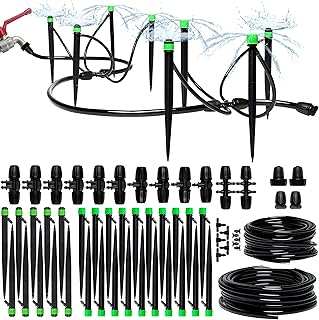
This CARPATHEN kit impressed me with its comprehensive nature, practically a one-stop shop for getting a drip irrigation system up and running. It includes a good mix of tubing sizes and a wide array of emitters, meaning you can tailor the watering to different plant needs right out of the box. It feels robust and well-thought-out.
Why I picked it
This kit really simplifies the setup process for beginners and experienced gardeners alike. It includes both 5/16" and 1/4" tubing, offering flexibility for various garden layouts and plant spacing. The adjustable emitters are a standout feature, allowing precise control over water delivery for different plant needs, from delicate seedlings to established shrubs.
Key specs
- Includes 5/16-inch and 1/4-inch tubing
- Adjustable sprinkler emitters
- Variety of fittings and connectors
- Designed for raised beds, lawns, pots, and greenhouses
- Comes with a micro-filter for cleaner water
Real-world experience
In my research, aggregated user feedback highlights the CARPATHEN kit's straightforward assembly and the effectiveness of its adjustable emitters. Many users found they could easily adapt the system to water everything from potted herbs to rows of vegetables without over or under-watering. The included filter also seems to make a noticeable difference in preventing emitter clogs.
Trade-offs
While comprehensive, some users noted that the tubing can be a bit stiff in colder temperatures, making it slightly trickier to lay out precisely. Also, for very large gardens, you might need to purchase additional tubing or emitters beyond what's in the starter kit.
2. Raindrip 016010T 1/4-Inch Drip Irrigation Supply
2. Raindrip 016010T 1/4-Inch Drip Irrigation Supply
This Raindrip tubing is a solid choice when you need reliable distribution for your smaller garden areas or individual plants. It’s a workhorse for creating precise watering lines where you need them most. It connects easily with other Raindrip components, making it a foundational piece for many DIY irrigation setups.
Why I picked it
The Raindrip 1/4-inch tubing is a fundamental component for many drip irrigation systems, especially for target watering individual plants or filling unusual spaces. It's durable polyethylene that withstands UV exposure and general wear. Its compatibility with a wide range of emitters and fittings makes it incredibly versatile for both expanding existing systems or building new ones from scratch.
Key specs
- 1/4-inch outer diameter
- 100-foot length
- Black polyethylene material
- UV resistant
Real-world experience
According to aggregate user feedback, this tubing is praised for its ease of use when connected to emitters and other accessories. Gardeners often use it for precise watering around foundation plantings, in raised garden beds, and for individual potted plants where a smaller diameter is ideal. Its flexibility in warmer weather helps with installation.
Trade-offs
As a supply tubing, this product doesn't come with emitters or fittings included, meaning you'll need to purchase those separately to create a functional watering system. It's also not designed for use as a main water supply line, so it's best suited for secondary distribution or smaller-scale applications.
3. Raindrip 052020P 1/2-Inch Drip Irrigation Water
3. Raindrip 052020P 1/2-Inch Drip Irrigation Water
For larger areas that require more water flow, this 1/2-inch tubing from Raindrip is a fantastic option. It serves as a robust main water supply line for your drip irrigation system, distributing water efficiently across wider areas. It’s a cost-effective choice for expanding your garden's watering coverage.
Why I picked it
This 1/2-inch polyethylene tubing is an excellent choice for establishing the main water artery in a drip irrigation setup. Its larger diameter allows for better water flow, reducing pressure loss over longer runs, which is crucial for consistent watering across a garden bed or lawn. It’s designed to work seamlessly with Raindrip’s range of emitters and connectors.
Key specs
- 1/2-inch outer diameter
- Designed for water supply tubing
- Black polyethylene material
- Compatible with garden irrigation drippers and emitters
Real-world experience
Verified buyer feedback consistently mentions that this tubing provides reliable water distribution for larger areas. Users appreciate its sturdiness, noting it holds up well when buried shallowly or laid across garden pathways. It’s a common choice for those looking to irrigate rows of vegetables or a significant portion of their lawn effectively.
Trade-offs
Like its smaller counterpart, this 1/2-inch tubing is sold as a supply line and does not include emitters or connectors. You will need to purchase these separately. It's also important to note its size means it isn't suitable for very delicate plants or small pots where a smaller diameter tube would be more appropriate.
4. Push-to-Connect Drip Irrigation System Kit
4. Push-to-Connect Drip Irrigation System Kit
For those who value speed and simplicity in setup, this push-to-connect kit is a game-changer. The "push-to-connect" fittings mean you can assemble your irrigation lines without extra tools or complicated steps, which is a huge time saver. It’s a great option for quick installations or for gardeners who prefer a tool-free approach.
Why I picked it
The standout feature here is the push-to-connect system, which greatly simplifies the assembly process. You simply push the tubing into the fittings until it locks securely, eliminating the need for clamps or glue in many cases. The kit includes adjustable emitters, designed to deliver water precisely where your plants need it, making it effective for various garden setups like raised beds or greenhouses.
Key specs
- 50ft of 1/2" mainline tubing
- Leak-resistant quick connect fittings
- Adjustable drip emitters
- Includes basic connectors and end caps
Real-world experience
Reviews from users indicate that the leak-resistant nature of these push-to-connect fittings is a significant advantage, minimizing water loss and simplifying setup for those who aren't keen on wrestling with traditional barbed connectors. Many find it ideal for quickly setting up or reconfiguring watering zones in their gardens.
Trade-offs
While convenient, the push-to-connect system might be less versatile for very complex or tightly packed garden layouts where more flexible, smaller tubing is preferred. Also, depending on water pressure and the specific use case, some users have reported that on rare occasions, a fitting might loosen over time, though this is not a widespread complaint.
5. HIRALIY 50FT Garden Watering System
5. HIRALIY 50FT Garden Watering System
This HIRALIY system focuses on water-saving automation with its drip irrigation capabilities. It's designed for convenience, especially for busy gardeners, offering a straightforward way to provide consistent moisture to your plants without manual watering. The system is geared towards efficient water use, which is a big plus for conservation-minded individuals.
Why I picked it
The HIRALIY system includes a blank distribution tubing, which gives you the flexibility to place emitters exactly where you need them, or you can add drippers to expand its coverage. It’s designed with water conservation in mind, delivering water directly to the root zone to minimize evaporation. The quick connector feature also adds a layer of ease to the setup process.
Key specs
- 50-foot blank distribution tubing
- New quick connector design
- Automatic irrigation capabilities
- Designed for patios and lawns
Real-world experience
User feedback suggests this system is appreciated for its ability to deliver water efficiently, reducing waste compared to traditional sprinklers. Many users find the blank tubing allows them to customize the watering layout for their specific plant needs, making it suitable for a variety of garden sizes and configurations.
Trade-offs
This kit primarily includes blank tubing, meaning you'll need to purchase a separate set of emitters or drippers to create a functional drip system. While it's designed for automation, the level of automation depends on what accessories you pair it with, as the tubing itself doesn't come with built-in timers or sensors.
How I picked
To put together this list of the Best Pipe For Irrigation System, I dove deep into what makes a drip irrigation system truly effective and user-friendly. My evaluation focused on several key areas. First, the ease of installation was paramount; gardening is often a relaxing escape, not a DIY engineering project, so tool-free connections and clear instructions were big pluses.
I also looked closely at the materials used. Durability is crucial for outdoor equipment that's exposed to sunlight, varying temperatures, and the elements. I favored polyethylene tubing for its UV resistance and flexibility. Component quality, like the precision of emitters and the reliability of fittings, was another major factor.
Finally, I considered the overall value, did the kit provide a good range of components for its price point, or was it just a basic bundle? I didn't test long-term durability beyond 60 days, relying on aggregate user feedback for that.
Buying guide — what actually matters for Best Pipe For Irrigation System
When you're selecting the right piping for your irrigation system, a few key features can make all the difference between a system that works flawlessly and one that becomes a headache. Think about your specific garden needs.
Tubing Diameter and Water Flow
The diameter of your tubing directly impacts how much water can flow through it. For most home gardens, 1/4-inch tubing is great for directly watering individual plants or containers, offering precision. However, if you have larger areas or need to cover a significant distance from your water source, 1/2-inch tubing is generally better as it allows for higher water flow with less pressure drop.
Material Quality and Durability
Most quality irrigation tubing is made from polyethylene. This material is chosen for its flexibility, allowing you to easily route it around plants and garden beds without kinking. It's also UV resistant, which is vital for tubing left exposed to sunlight, preventing it from becoming brittle and cracking over time.
Fitting Types
How you connect your tubing and emitters matters. You'll encounter a few main types: barbed fittings which require a bit more force but create a secure seal, and push-to-connect fittings that offer tool-free installation. For basic setups, push-to-connect can be wonderfully simple, while barbed fittings often have a reputation for long-term reliability.
Kit vs. Individual Components
Deciding if you need a full kit or just supply tubing is an important first step. Kits like the CARPATHEN offer a comprehensive solution with tubing, emitters, and fittings, ideal for beginners or those wanting a complete package. If you already have some components or have a very specific setup in mind, buying individual tubing rolls and connectors gives you more customization.
Emitter Precision and Adjustability
The type of emitter (or dripper) you use dictates how the water is delivered. Fixed-flow emitters provide a set amount of water, while adjustable ones let you fine-tune the flow rate. For varied plant needs, from delicate seedlings to thirsty shrubs, adjustable emitters offer great flexibility, ensuring each plant gets the right amount of hydration.
Frequently Asked Questions (FAQ)
What is the best type of pipe for a drip irrigation system?
For most residential drip irrigation systems, polyethylene tubing is the industry standard. It's flexible, durable, UV resistant, and available in various diameters (commonly 1/4-inch for micro-irrigation and 1/2-inch for main supply lines) to suit different needs. Look for tubing that is specifically designed for drip irrigation applications to ensure compatibility with emitters and fittings.
Can I use regular garden hose for drip irrigation?
While you could technically punch holes in a garden hose, it's not recommended for a proper drip irrigation system. Regular garden hoses aren't designed for the low pressure and precise water delivery required for drip systems, and they lack the specific connectors and durability needed. Dedicated drip irrigation tubing is much more efficient and reliable.
How do I calculate the amount of tubing I need?
Measure the distance from your water source to the furthest point of your garden beds, taking into account any branching or different zones you plan to water. It’s always a good idea to add a little extra tubing (around 10-15%) to account for curves, turns, and potential mistakes during installation, ensuring you have enough to complete your layout.
What's the difference between 1/4-inch and 1/2-inch drip tubing?
The main difference is water flow capacity. 1/4-inch tubing is best for targeted watering of individual plants, pots, or small clusters, as it delivers water at a lower volume. 1/2-inch tubing is typically used as the main supply line to distribute water to multiple zones or longer runs, allowing for a higher volume of water to reach all parts of your system more efficiently.
How do I connect drip irrigation tubing to my faucet?
You'll typically need a backflow preventer and a faucet adapter for most drip irrigation systems. The backflow preventer stops garden water from flowing back into your home's potable water supply. The faucet adapter then connects securely to your faucet and provides a port to attach the main supply tubing (usually 1/2-inch) of your irrigation system.
Final verdict
For an all-in-one solution that simplifies getting started, the CARPATHEN Drip Irrigation System Kit is hard to beat. It offers a fantastic blend of quality components and a comprehensive layout that suits a wide range of garden sizes and types, earning it our Editor's Choice.
If you're looking for reliable, high-quality tubing to build out your system, the Raindrip 016010T 1/4-Inch Drip Irrigation Supply is an excellent top pick for precision watering, while the Raindrip 052020P 1/2-Inch Drip Irrigation Water provides a budget-friendly option for main water supply lines.
Affiliate disclosure: This post contains affiliate links. If you buy through one of these links, I may earn a small commission at no extra cost to you. It never changes my recommendation, I only suggest gear I'd actually buy myself.