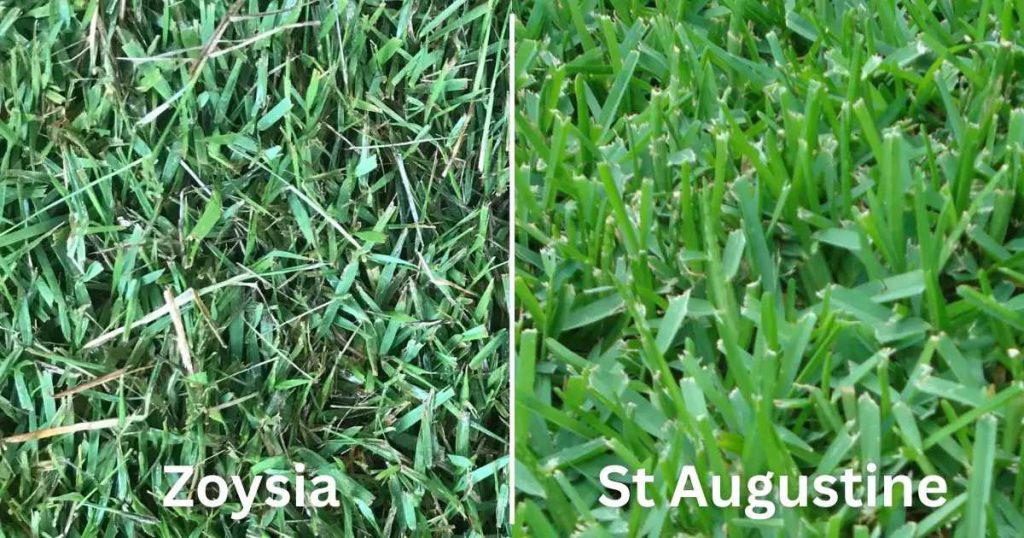
Choosing the right grass for your lawn can be a challenge, especially with popular options like Zoysia, Bermuda, and St. Augustine available. Quickly, if you’re looking for a drought-resistant and resilient choice, Bermuda is your go-to. If you prefer a lush, thick lawn that thrives in shaded areas, St. Augustine is ideal. On the other hand, Zoysia offers a great balance, performing well in various conditions and requiring less maintenance. Now, let’s dive into the specifics of each grass type, so you can make an informed decision based on your yard’s unique needs, climate, and the level of care you’re willing to provide. Each type has its own strengths and weaknesses, making it crucial to find the perfect fit for your lifestyle.

Zoysia vs Bermuda vs St Augustine: Which One is Right for You?
Choosing the ideal grass type for your lawn can be a daunting task. With so many options available, it’s essential to consider the unique characteristics of each variety. This article will provide a comprehensive comparison of Zoysia, Bermuda, and St. Augustine grasses, helping you make an informed decision based on your specific needs and growing conditions.
Understanding Grass Types
Before diving into the details, it’s crucial to understand the three grass types being compared. Each has its advantages and disadvantages, which can significantly affect your lawn’s appearance and maintenance requirements.
- Zoysia Grass: A warm-season grass known for its dense and lush growth.
- Bermuda Grass: Another popular warm-season variety that thrives in sunny environments.
- St. Augustine Grass: This grass variety is often favored for its rich color and broad blades.
Climatic Preferences
Each grass type has its preferred climate, which can significantly influence its growth and health.
Zoysia Grass
Zoysia grass thrives in warm climates, typically growing best in USDA zones 6 through 9. It’s tolerant of heat and drought, which can make it an excellent choice for hotter areas. However, Zoysia can struggle in colder climates, where winter dormancy can affect its overall health.
Bermuda Grass
Like Zoysia, Bermuda grass also enjoys warm weather. It flourishes in sunny environments and is commonly found in USDA zones 7 through 10. This grass is particularly resilient and can handle heat and drought, making it a popular choice for southern lawns.
St. Augustine Grass
St. Augustine grass is suitable for warmer climates as well, thriving in USDA zones 8 through 11. It prefers humidity and can be less tolerant of drought conditions compared to the other two varieties. This grass type is often found in coastal areas where the environment is optimal for its growth.
Soil Requirements
The soil quality can significantly impact the growth and overall health of the grass types.
Zoysia Grass
Zoysia grass prefers well-drained soils with a pH level of around 6.0 to 7.0. It’s adaptable and can grow in a variety of soil types, making it versatile. However, poor drainage can lead to root rot and other issues.
Bermuda Grass
Bermuda grass thrives in sandy or loamy soils with good drainage. It prefers a slightly acidic to neutral pH (6.0 to 7.0). Ensuring the right soil conditions can help Bermuda grass grow strong and healthy.
St. Augustine Grass
St. Augustine grass prefers rich, sandy soils with good drainage. It generally likes a pH level between 6.0 and 7.5. This variety can struggle in poorly drained soil, leading to various lawn issues.
Growth Characteristics
Understanding how each grass type grows can help you decide which is best for your lawn.
Zoysia Grass
Zoysia grass is known for its slow growth during establishment. However, once established, it forms a thick mat, making it resistant to weeds. It can create a lush, green lawn but may require patience during the initial growth phase.
Bermuda Grass
Bermuda grass has a vigorous growth habit, spreading quickly and establishing itself well. This grass type can fill in bare spots rapidly, making it an excellent choice for high-traffic areas. Its aggressive growth can sometimes lead to invasiveness, so regular maintenance is essential.
St. Augustine Grass
St. Augustine grass has a broad growth habit and establishes relatively quickly. It grows well in a variety of conditions but can become weed-prone if not properly maintained. Regular mowing and care are essential to keep this grass looking its best.
Maintenance Needs
The maintenance requirements for each grass type vary, and understanding these can help you choose the best option for your lifestyle.
Zoysia Grass
Zoysia is low-maintenance once established. It requires mowing less frequently compared to Bermuda or St. Augustine. However, it does benefit from occasional fertilizing and watering, especially during dry spells.
Bermuda Grass
Bermuda grass demands more attention than Zoysia. Regular mowing, watering, and fertilization are essential to keep it healthy and vibrant. It may also require more frequent aeration to maintain soil health, especially in high-traffic areas.
St. Augustine Grass
St. Augustine grass requires regular mowing and watering to stay healthy. It benefits from fertilization during the growing season but is sensitive to over-fertilization. Maintaining proper moisture levels is crucial, as this grass can dry out quickly.
Pest and Disease Resistance
Different grass types have varying levels of resistance to pests and diseases.
Zoysia Grass
Zoysia grass is relatively pest and disease-resistant. It can tolerate some lawn diseases, but issues like brown patch and armyworms can still occur. Regular monitoring can help catch problems early.
Bermuda Grass
Bermuda grass may be susceptible to pests like grubs and chinch bugs. It is also prone to diseases such as dollar spot and leaf spot. Implementing a good lawn care routine can help mitigate these risks.
St. Augustine Grass
St. Augustine grass can be more vulnerable to pests and diseases. Common issues include chinch bugs, fungal diseases, and root rot. Integrated pest management strategies can assist in controlling these problems effectively.
Cost Considerations
When choosing between these grass types, cost is an essential factor to consider.
Zoysia Grass
Zoysia grass can be more expensive to establish initially, especially if you choose sod over seeds. However, its low maintenance needs may save you money in the long run.
Bermuda Grass
Bermuda grass is generally affordable to establish. Whether you opt for seed or sod, the initial costs are usually lower compared to Zoysia. However, its higher maintenance needs could lead to increased long-term costs.
St. Augustine Grass
Establishing St. Augustine grass can also be on the pricier side due to the availability of sod. However, with proper care, it can lead to a beautiful, lush lawn that adds value to your property.
Environmental Impact
Considering the environmental impact of your grass choice is increasingly important.
Zoysia Grass
Zoysia grass is environmentally friendly due to its drought tolerance and ability to reduce water usage. Its thick growth also helps to reduce soil erosion.
Bermuda Grass
Bermuda grass can be water-intensive, particularly in hot seasons. However, it has a robust growth rate that can help with soil stabilization and erosion control.
St. Augustine Grass
St. Augustine grass typically requires more water than Zoysia but can still be managed sustainably with proper care practices. Keeping it healthy can improve air and water quality in your area.
When deciding on the best grass type for your lawn, it’s essential to weigh the pros and cons of each option. Zoysia offers low maintenance and drought resistance. Bermuda is quick to establish but requires more upkeep. St. Augustine provides lush aesthetics but can be more prone to pests.
By carefully considering your local climate, soil, maintenance preferences, and budget, you can confidently determine which grass type aligns with your lawn care goals. Emphasizing the characteristics mentioned, you can enjoy a vibrant and healthy lawn tailored to your needs.
Bermuda vs Zoysia – Pros, Cons, and Tips to Help You Choose the Best Grass for Your Lawn
Frequently Asked Questions
What are the climate preferences for Zoysia, Bermuda, and St. Augustine grasses?
Zoysia grass thrives in warm, humid climates and can tolerate some drought, making it suitable for regions with hot summers. Bermuda grass also prefers warm conditions and is highly drought-resistant, ideal for southern climates. St. Augustine grass enjoys warm temperatures but requires more moisture, making it a great choice for coastal areas and places with regular rainfall.
How do maintenance requirements differ among Zoysia, Bermuda, and St. Augustine grass?
Zoysia grass requires moderate maintenance, needing occasional mowing and fertilization. It establishes slowly, so patience is key during the initial stages. Bermuda grass grows quickly and needs regular mowing and fertilization to keep it healthy and lush. St. Augustine grass demands more frequent watering and can require pest management, especially in humid environments, to stay vibrant.
Which grass type offers better shade tolerance?
Between the three, Zoysia grass shows the best shade tolerance, adapting well in partially shaded areas. St. Augustine grass also tolerates some shade but performs best in full sun. Bermuda grass struggles in shaded conditions and generally requires full sunlight to thrive.
How do the aesthetics of Zoysia, Bermuda, and St. Augustine compare?
Zoysia grass has a dense, carpet-like appearance and dark green color, providing a lush lawn. Bermuda grass can be quite vibrant and thick, boasting a fine texture, making it visually appealing. St. Augustine grass features a broad blade and light to dark green shades, creating a rich and layered look. Each grass type enhances the outdoor aesthetics differently, catering to various landscaping preferences.
Which grass type is more resistant to pests and diseases?
Zoysia grass tends to be more resistant to pests and diseases, requiring less chemical treatment. Bermuda grass is also relatively resilient but can attract specific pests like grubs. St. Augustine grass is more susceptible to diseases, particularly in humid climates, and may require more vigilant monitoring and treatment to maintain its health.
Final Thoughts
Zoysia vs Bermuda vs St Augustine which one is right for you? Each grass type offers unique benefits tailored to different climates and usage needs. Zoysia thrives in heat and tolerates drought, making it suitable for warmer areas. Bermuda spreads rapidly, ideal for high-traffic lawns and sunny spots. St Augustine provides lush greenery in humid regions, perfect for creating a traditional lawn aesthetic.
Consider your local climate, lawn usage, and maintenance preferences when choosing between these grasses. Zoysia vs Bermuda vs St Augustine which one is right for you ultimately depends on your specific conditions and desires for your outdoor space.