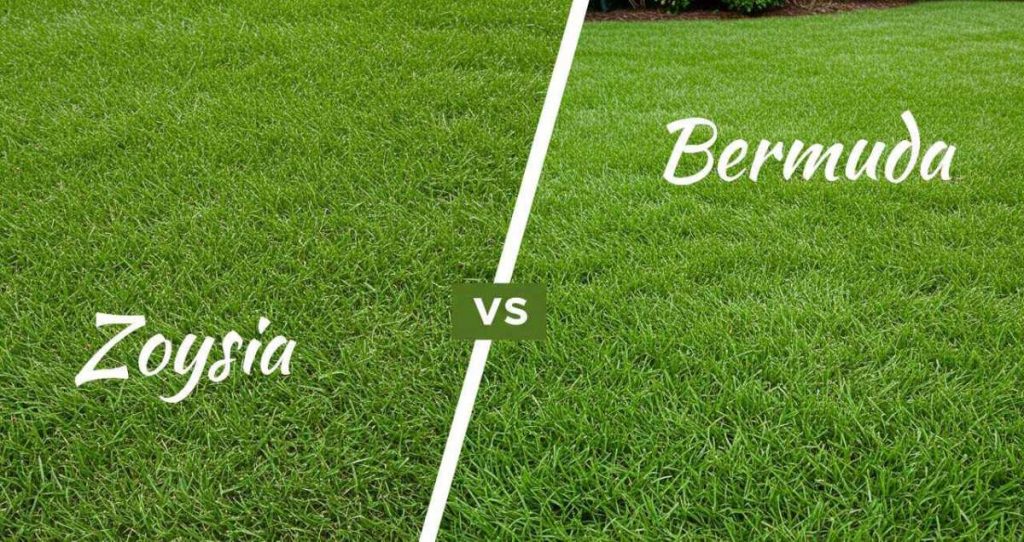
Looking for a lush, low-maintenance grass that stays green all year round? Zoysia-like grasses offer the perfect solution, blending the beauty of traditional turf with durability and ease of care. These grasses are ideal for homeowners wanting a soft, dense lawn that can withstand foot traffic and extreme weather conditions. In short, zoysia-like grasses are a practical and attractive choice for creating a vibrant, resilient outdoor space. They require less watering, mowing, and fertilizing than many other grass types, making them a smart investment for busy homeowners. Keep reading to discover the best options for zoysia-like grass, how to care for them, and tips for maintaining a picture-perfect lawn that stays healthy and green throughout the seasons.
If you’re considering a grass that resembles zoysia but might be easier to manage or better suited for your climate, there are several alternatives that mimic its soft texture and dense growth. These grasses can give your yard a lush, uniform appearance with minimal effort, making your outdoor space a true oasis. Knowing which grass type works best for your environment and lifestyle can transform your lawn into a beautiful, inviting area everyone will admire.

Zoysia Like Grass: Everything You Need to Know
What Is Zoysia Like Grass?
Zoysia like grass is a turfgrass known for its dense growth, durability, and attractive appearance. It closely resembles natural zoysia grass but may be a variety or hybrid that mimics its features. This type of grass is popular for lawns, golf courses, and sports fields because it stays lush and green with minimal maintenance.
Physical Characteristics and Appearance
Zoysia like grass has fine to medium blades that grow tightly together, creating a luxurious carpet effect. Its color is usually a vibrant green, which remains appealing throughout the warmer months. The grass forms a thick mat that can help suppress weeds naturally and reduce soil erosion.
Growth Habits and Behavior
This grass is a warm-season type that thrives in hot, sunny climates. It spreads through both rhizomes and stolons, helping it recover quickly from foot traffic or damage. Its growth rate varies depending on the variety but generally remains steady, making it manageable for homeowners.
Advantages of Zoysia Like Grass
- Low Water Needs: It requires less watering than other grasses, saving resources and reducing bills.
- High Tolerance to Heat and Sun: It stays green and healthy in high temperatures and direct sunlight.
- Resistance to Wear and Tear: The dense growth withstands foot traffic, making it an excellent choice for active yards.
- Natural Weed Control: Its thick mat prevents weeds from taking root.
- Minimal Mowing Required: Due to its slow growth rate, mowing frequency decreases, saving time and effort.
Challenges and Considerations
While zoysia like grass has many benefits, it also presents some challenges. Its slow establishment period can be frustrating for those wanting quick results. Also, it may turn brown in winter in cooler climates, requiring some overseeding or additional maintenance.
Climate Compatibility and Zones
Zoysia like grass thrives in USDA zones 6 through 10. It prefers warm temperatures but can tolerate some cold. In cooler regions, it may go dormant during winter, turning brown until warmer weather returns. Proper selection of the variety suited for your climate ensures success.
Best Soil Conditions for Growth
Zoysia like grass prefers well-draining soil with a pH between 5.5 and 6.5. Loamy soils enriched with organic matter help promote healthy root development. Testing your soil before planting can improve the chances of a lush, healthy lawn.
Sunlight and Shade Tolerance
It requires at least six hours of direct sunlight daily for optimal growth. However, some varieties show moderate shade tolerance, making them adaptable in partially shaded yards. Ensuring sufficient sunlight is key for a vibrant, dense lawn.
Planting and Establishment
Zoysia like grass can be established through sod, plugs, or seed, with sod being the fastest method. Prepare the soil by removing weeds, aerating, and leveling before planting. Consistent watering during the establishment phase encourages strong root growth.
Maintenance Tips for Zoysia Like Grass
Maintaining a healthy zoysia like grass lawn involves proper mowing, watering, fertilizing, and aeration. Mow at heights between one and two inches to promote dense growth. Apply fertilizer based on soil test recommendations to provide essential nutrients.
Watering Practices
Water deeply but infrequently to encourage deep root growth. During hot summer months, watering once or twice a week is usually sufficient. Avoid overwatering to prevent disease and root rot.
Fertilization Schedule
Apply a balanced slow-release fertilizer in the spring and summer. Use nitrogen-rich formulas for lush growth. Reduce fertilization in late fall to prepare the grass for dormancy.
Pest and Disease Management
Zoysia like grass is generally resistant to pests and diseases, but it can be affected by chinch bugs, gray leaf spot, or rust. Proper mowing, watering, and fertilization can prevent infestations. In case of problems, targeted treatments are recommended.
Common Varieties of Zoysia Like Grass
Some popular types include:
- Zoysia Japonica: Known for its cold tolerance and fine texture.
- Zoysia Matrella: Features a softer blade, ideal for lawns and golf courses.
- Zoysia Hybrid Varieties: Combine traits such as cold hardiness and disease resistance.
Comparison of Zoysia Like Grass with Other Turfgrasses
| Feature | Zoysia Like Grass | Bermuda Grass | Centipede Grass | St. Augustine Grass |
|———|——————-|—————-|—————-|———————|
| Drought tolerance | Moderate | High | Moderate | Low |
| Cold tolerance | Moderate | Low | Low | Low |
| Shade tolerance | Moderate | Low | Moderate | High |
| Maintenance | Low | Moderate | Low | Moderate |
| Wear resistance | High | High | Moderate | Moderate |
This comparison helps homeowners choose the best turfgrass for their specific needs and climate.
Environmental Impact and Sustainability
Zoysia like grass is an eco-friendly choice because it requires fewer resources. Its drought tolerance minimizes water use, and its natural weed suppression reduces herbicide requirements. Plus, its slow growth reduces the need for frequent mowing, decreasing emissions from lawn equipment.
Landscaping Ideas and Uses
This grass works well in various landscaping designs. Use it for large backyard lawns, front yard borders, or even as ground cover around trees. Pair it with native plants, flowers, and shrubs to create a vibrant, eco-friendly yard.
Cost Considerations
Initial costs include soil preparation, purchase of sod, plugs, or seed, and ongoing maintenance. While sod is more expensive upfront, it results in instant gratification. Naturally, choosing the right variety and planting method affects overall costs and success.
Summary: Why Choose Zoysia Like Grass?
Zoysia like grass offers a combination of beauty, durability, and low maintenance. It sustains its lush green appearance with less water and mowing than many other grasses. Its adaptability and resilience make it a fantastic choice for homeowners seeking a healthy, attractive lawn.
This detailed overview of zoysia like grass aims to provide clarity for homeowners, landscapers, and gardening enthusiasts. When selecting turfgrass, understanding its characteristics, maintenance needs, and environmental impact helps make the best decision for your landscape.
Zoysia | Pros Cons Tips and Tricks
Frequently Asked Questions
How can I distinguish Zoysia-like grass from other turf types?
Zoysia-like grass features dense, fine-bladed blades that create a lush, carpet-like appearance. Its growth habit is typically slow, with a spreading nature that forms a uniform cover. To distinguish it from other types, look for its deep green color, soft texture underfoot, and gradual growth that maintains a low profile without excessive thatch buildup.
What are the best soil conditions for Zoysia-like grass to thrive?
Zoysia-like grass prefers well-drained soils rich in organic matter. It tolerates a range of soil pH levels, ideally between 5.5 and 6.5. Ensuring proper drainage and avoiding overly compacted soil helps promote healthy root development and even growth. Incorporating soil amendments or aeration can improve conditions if necessary.
How often should I water Zoysia-like grass during the growing season?
During peak growth periods, water Zoysia-like grass deeply once or twice a week, depending on weather conditions. The goal is to keep the soil consistently moist but not waterlogged. Adjust watering frequency during droughts or heavy rain to maintain optimal moisture levels while avoiding root rot or fungal issues.
What mowing practices help maintain the health of Zoysia-like grass?
Maintain Zoysia-like grass by mowing it regularly at a height of about 1 to 2 inches. Avoid cutting more than one-third of the grass blade during a single mowing session. Sharp blades ensure clean cuts, reducing stress on the grass. Proper mowing encourages dense growth and prevents thatch buildup.
Can Zoysia-like grass handle foot traffic and heavy use?
Yes, Zoysia-like grass has good tolerance for foot traffic and can withstand moderate recreational use. Its dense growth pattern helps it recover quickly from minor wear. For areas with high foot traffic, proper maintenance, such as timely fertilization and watering, enhances recovery and maintains a healthy appearance.
Final Thoughts
In conclusion, zoysia like grass offers an excellent option for a lush, low-maintenance lawn. Its resilience and adaptability make it ideal for various climates and soil types. Choosing this grass ensures a beautiful yard with less effort. For a healthy, green space, consider the benefits of zoysia like grass and enjoy a vibrant outdoor area.