Looking to create the perfect lush lawn? Combining Zoysia grass with St. Augustine can give you a durable, attractive, and drought-tolerant yard that thrives in warm climates. The key is understanding how these grasses complement each other to produce a resilient and visually appealing landscape.
In short, mixing Zoysia grass with St. Augustine offers a balance of softness, density, and resilience, making your lawn both beautiful and practical. Zoysia provides a dense, low-maintenance ground cover, while St. Augustine adds a plush, rich appearance. Together, they can create a resilient turf that withstands heavy foot traffic and adapts well to different soil conditions, giving you a standout yard all year round.
If you’re considering blending Zoysia grass with St. Augustine, it’s essential to understand their growth habits, maintenance needs, and compatibility. Zoysia’s slow growth rate and tolerance for drought complement St. Augustine’s quick establishment and lush texture, resulting in a lawn that is both easy to care for and visually stunning. This combination is especially popular in southern regions where both grasses thrive, offering homeowners a versatile solution for a durable and attractive outdoor space.

Zoysia Grass with St Augustine: A Complete Guide to Choosing the Best Lawn
Introduction to Zoysia Grass and St Augustine
Zoysia grass and St Augustine are two popular types of turfgrass used for lawns across warm climates. Both grasses are loved for their lush appearance and durability, but they have unique features. Understanding these differences helps homeowners make informed choices for their outdoor spaces.
Features of Zoysia Grass
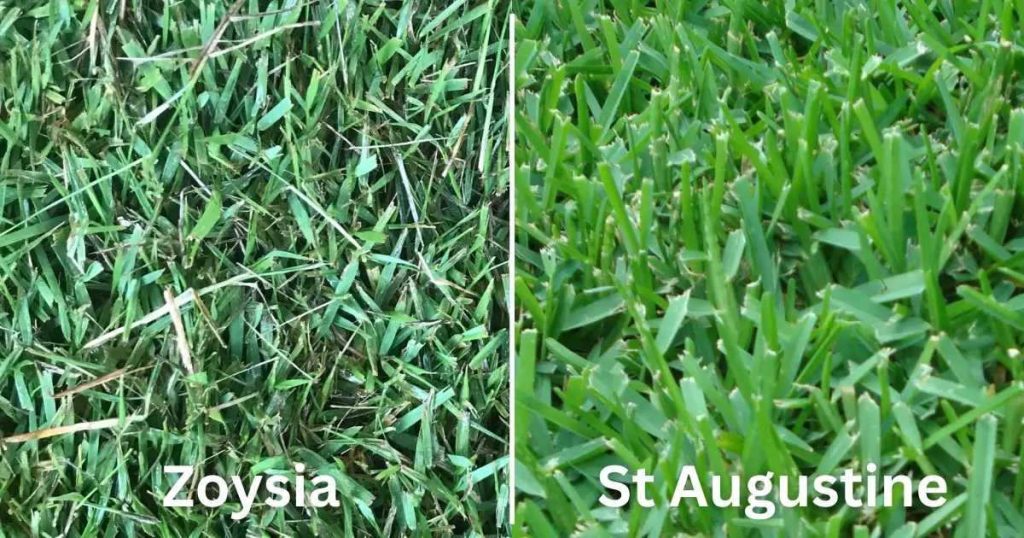
Zoysia grass is known for its dense, fine-textured blades. It spreads quickly through stolons and rhizomes, forming a thick mat that crowds out weeds. Its deep-rooting system makes it highly tolerant of drought and foot traffic.
Advantages of Zoysia Grass
- Low water needs after establishment, making it eco-friendly and cost-effective.
- High shade tolerance allows it to thrive in partially shaded areas.
- Cold tolerance makes it suitable for regions with mild winters.
- Slow growth rate reduces mowing frequency.
Disadvantages of Zoysia Grass
- Initial establishment can take several months.
- Requires careful watering during the first few weeks.
- Can be prone to thatch buildup if overfed.
Features of St Augustine Grass
St Augustine grass is highly recognizable by its broad, flat blades and its ability to form a dense lawn. It spreads via stolons, which root at the nodes, creating a lush, carpet-like appearance.
Advantages of St Augustine
- Excellent shade tolerance allows growth in shady areas.
- Fast establishment covers ground quickly, ideal for new lawns.
- Heat tolerance makes it suitable for southern climates.
- Good salt tolerance recommended for coastal regions.
Disadvantages of St Augustine
- High water and fertilization needs for optimal growth.
- Prone to pest issues like chinch bugs.
- Less tolerant of cold temperatures, risking winter damage.
Comparing Zoysia and St Augustine for Lawn Use
Knowing how Zoysia and St Augustine compare can help decide which grass fits your yard best. Key factors include climate, sun exposure, maintenance, and aesthetic preferences.
Climate Compatibility
Both grasses thrive in warm regions. Zoysia can handle milder winters better, while St Augustine prefers consistently warm weather with high humidity.
Sunlight Requirements
Zoysia performs well in full sun but can tolerate some shade. St Augustine prefers areas with at least 4 to 6 hours of direct sunlight daily.
Maintenance Needs
Zoysia generally requires less mowing and watering once established. St Augustine, however, needs frequent watering and fertilization to stay healthy and green.
Appearance and Texture
Zoysia’s fine, dense blades give it a more uniform look, whereas St Augustine’s broader leaves create a softer, lush appearance.
Growth Habits and Spreading Characteristics
Understanding how each grass spreads can influence your lawn design.
Zoysia Growth Pattern
Zoysia spreads slowly through stolons and rhizomes, forming a thick mat that can choke out weeds over time. Its slow growth rate means less mowing but longer establishment periods.
St Augustine Growth Pattern
St Augustine spreads rapidly via stolons, quickly creating a dense turf. This fast growth necessitates frequent mowing to maintain the desired height.
Maintenance Tips for Zoysia and St Augustine
Both grasses require specific care routines to thrive.
Watering Guidelines
- Zoysia needs deep watering once or twice a week after establishment.
- St Augustine requires regular watering, especially during hot summers, for lush growth.
Mowing Requirements
- Zoysia should be mowed to 1 to 2 inches with less frequency.
- St Augustine is best maintained at 2 to 4 inches, with weekly mowing.
Fertilization and Pest Control
- Zoysia benefits from slow-release fertilizers to prevent thatch buildup.
- St Augustine needs regular fertilization, especially high-nitrogen formulas, to stay green.
Regular pest monitoring is essential for both grasses to prevent common problems like chinch bugs and grubs.
Making the Choice for Your Lawn
Choosing between Zoysia and St Augustine depends on your climate, lawn use, and maintenance willingness. Zoysia is a good choice for low-maintenance, drought-tolerant lawns. St Augustine works well for quick coverage and shaded areas where lushness is prioritized.
Practical Considerations
- Climate and winter temperatures
- Sunlight and shade availability
- Watering and fertilization habits
- Desired lawn appearance and texture
Cost and Availability
Both grasses vary in seed and sod prices, with Zoysia generally being more expensive but longer-lasting. Check local suppliers for availability and best options for your yard.
Additional Topics Related to Zoysia Grass with St Augustine
Consider exploring related topics to optimize your lawn care.
Lawn Renovation with Both Grasses
Mixing Zoysia with St Augustine can create a unique lawn but requires careful planning to prevent competition and ensure uniform growth.
Soil Preparation Tips
A healthy lawn begins with good soil. Both grasses prefer well-drained, fertile soil with a pH between 6.0 and 6.5.
Best Practices for Lawn Establishment
Using sod or plugs, proper watering, and mowing routines are key to quickly establishing a healthy, lush lawn.
Environmental Impact and Sustainability
Choosing drought-tolerant grasses like Zoysia can reduce water consumption. Proper maintenance also minimizes chemical use and supports eco-friendly lawn care.
Common Problems and Solutions
Watch out for pest infestations, disease outbreaks, and thatch buildup. Early detection and correct treatment keep your lawn healthy and beautiful.
Both Zoysia grass and St Augustine offer excellent options for warm-climate lawns, each with its unique strengths. Your choice depends on your landscape, climate, and maintenance preferences. By understanding their features and needs, you can create a vibrant, healthy lawn that enhances your outdoor space for years to come.
Should You Get Zoysia Or Saint Augustine Grass!?!?! Which Grass Type Is Best For Your Lawn?!?!
Frequently Asked Questions
How can I effectively maintain a lawn that has both Zoysia grass and St. Augustine grass?
To maintain a lawn with both Zoysia and St. Augustine, monitor their growth patterns and adjust watering schedules accordingly. Mow the Zoysia at a slightly higher height to prevent it from overshadowing the St. Augustine, and fertilize both grasses with appropriate nutrients suited to their needs. Regular aeration and controlling pests help ensure both grasses thrive together without competition or disease issues.
What are the key differences in watering needs between Zoysia grass and St. Augustine?
Zoysia grass typically requires less frequent watering once established because it is drought-tolerant, whereas St. Augustine prefers consistent moisture to stay lush and healthy. For a mixed lawn, water deeply but less often to encourage deep roots in both grasses, adjusting the frequency based on weather conditions and soil moisture levels to avoid overwatering or underwatering.
Can combining Zoysia and St. Augustine improve the overall appearance of my lawn?
Yes, mixing these grasses can create a visually appealing landscape. Zoysia’s fine texture adds a uniform, dense look, while St. Augustine’s broad blades provide a lush, vibrant surface. This combination balances texture and color, but it’s important to manage growth rates and maintenance practices to keep the lawn looking its best.
What challenges might I encounter when growing Zoysia and St. Augustine on the same lawn?
One challenge involves their different growth rates and shading preferences, which can lead to uneven thickness and color. Zoysia may outcompete St. Augustine in some areas if not managed properly. Additionally, pests and diseases specific to each grass type may require tailored treatments, so regular monitoring and appropriate interventions are necessary to prevent problems from affecting the entire lawn.
Is it suitable to overseed or patch a lawn with Zoysia and St. Augustine simultaneously?
Overseeding or patching both grasses at the same time requires careful planning. Choose compatible overseeding times based on their growing seasons to avoid disrupting their development. Use suitable seed or sod options for each grass type, and follow proper soil preparation and watering practices to ensure successful establishment without compromising the new growth of either grass.
Final Thoughts
Zoysia grass with St. Augustine offers a versatile and attractive lawn option. Zoysia provides dense coverage and drought resistance, while St. Augustine thrives in warm, humid conditions. Combining these grasses creates a lush, low-maintenance yard.
This blend benefits homeowners seeking resilience and visual appeal. Both grasses complement each other’s strengths, resulting in a healthier landscape. Proper care and appropriate watering will maximize their synergy.
In summary, zoysia grass with St. Augustine creates a durable and attractive lawn. This combination suits various climates and offers ease of maintenance, making it an ideal choice for many homeowners.