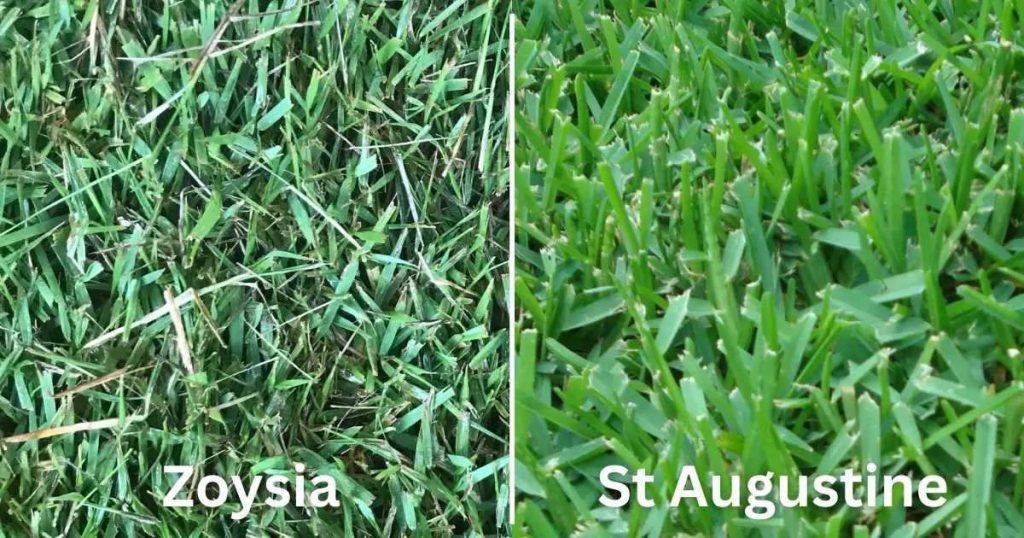
Looking to choose the perfect turf for your lawn? Zoysia grass and St. Augustine are two popular options, but each has unique strengths that make them suited to different needs. Zoysia is known for its durability and drought tolerance, while St. Augustine offers lush, dense growth and thrives in humid climates. Your choice depends on your local climate, maintenance preferences, and aesthetic desires.
In short, if you want a hardy, low-maintenance lawn that can handle droughts, Zoysia is a great pick. For a vibrant, soft, and lush lawn in warmer, humid areas, St. Augustine is unbeatable. Understanding their differences helps you make an informed decision for a beautiful, healthy yard.
If you’re torn between Zoysia grass and St. Augustine, consider your climate, soil type, and lawn usage. Zoysia performs well in drought-prone regions and requires less mowing, while St. Augustine provides a soft, picture-perfect look ideal for humid environments. Let’s explore how these grass types compare so you can choose the best fit for your lawn!

Zoysia Grass versus St Augustine: Which Lawn is Better for Your Yard?
Introduction to Zoysia Grass and St Augustine
Zoysia grass and St Augustine are two popular turfgrass options. Both have unique qualities that make them suitable for different lawn needs. Understanding their differences helps homeowners choose the right grass for their yard.
Appearance and Growth Behavior
- Zoysia grass has a fine to medium blade texture. It forms a dense, carpet-like cover that looks lush and smooth.
- St Augustine features broad, thick blades. It creates a vigorous, bright green turf that is very inviting.
Color and Density
Zoysia grass offers a darker shade of green and tends to grow slower, resulting in a more uniform appearance. St Augustine is usually a lighter green with a more vigorous growth pattern, making it denser and thicker quickly.
Growth Rate and Spreading
Zoysia grows slowly, which means less mowing and maintenance. It spreads through rhizomes and stolons, forming a tight mat. St Augustine grows faster, spreads via runners, and fills in gaps rapidly.
Climate Compatibility and Hardiness
Temperature Tolerance
- Zoysia grass tolerates a wide temperature range, from warm to cooler climates. It can survive in USDA zones 6 through 10.
- St Augustine prefers warmer weather, thriving in zones 8 through 11. It struggles with cold temperatures and frost.
Sunlight Requirements
- Zoysia performs well in full sun but can adapt to partial shade.
- St Augustine prefers full sun but handles some shade better than many grasses.
Cold and Drought Tolerance
Zoysia has better tolerance to cold and drought conditions, making it suitable for areas with variable weather. St Augustine is more sensitive to cold, requiring more water during dry periods.
Maintenance Needs
Mowing Frequency and Height
- Zoysia needs mowing less often, usually once a week, with a recommended height of 1 to 2 inches.
- St Augustine requires weekly mowing at a height of 2.5 to 4 inches for optimal health.
Water and Fertilizer Requirements
- Zoysia requires less water once established and benefits from slow-release fertilizers.
- St Augustine needs regular watering and more frequent fertilization to stay lush and green.
Pest and Disease Resistance
Zoysia is less susceptible to pests and diseases, making it easier to care for. St Augustine can be prone to diseases such as gray leaf spot and chinch bugs.
Invasiveness and Spread
Spread Pattern
Zoysia spreads slowly through rhizomes, which limits its invasiveness. St Augustine spreads rapidly via stolons, which can become invasive in some regions.
Control and Containment
Maintaining control over St Augustine may require barriers or regular trimming, while Zoysia’s slower growth makes it easier to contain.
Suitability for Different Lawn Uses
Ideal for Low-Maintenance Lawns
- Zoysia’s low water needs and slow growth make it perfect for those seeking minimal maintenance.
- St Augustine’s quick establishment is appealing for lush lawns with less initial effort.
High Traffic Areas
St Augustine’s dense growth handles foot traffic well but can become compacted and damaged easily. Zoysia also withstands foot traffic but recovers more slowly.
Cost and Availability
Initial Investment
- Zoysia can be more expensive initially due to its slower establishment and specialist planting needs.
- St Augustine is generally more affordable and easier to find in garden centers.
Long-Term Cost Considerations
Both grasses require ongoing maintenance costs, but Zoysia’s low water and fertilizer needs can reduce long-term expenses.
Environmental Impact and Sustainability
Water Usage
Zoysia’s drought tolerance means it uses less water, making it more environmentally friendly in dry regions.
Chemical Use
Both grasses benefit from minimal chemical inputs, but Zoysia’s pest resistance reduces the need for pesticides.
Summary of Key Differences
| Feature | Zoysia Grass | St Augustine |
|---|---|---|
| Appearance | Fine to medium blades, dark green, dense coverage | Broad blades, bright green, thick turf |
| Growth Rate | Slow | Fast |
| Climate Tolerance | Wide, including cooler zones | Warm climates only |
| Maintenance | Low | Moderate to high |
| Invasiveness | Less invasive | More invasive |
| Cost | Higher initially, lower long-term costs | Lower initially |
Final Thoughts on Zoysia Grass versus St Augustine
Choosing between Zoysia grass and St Augustine depends on your climate, yard use, and maintenance preferences. Zoysia is better for those who want a low-maintenance lawn that conserves water and thrives in cooler weather. St Augustine suits homeowners looking for a quick, lush, and dense lawn in warmer climates with higher rainfall.
Both grasses have their advantages and challenges. Your choice should match your local climate, budget, and how much time you want to spend caring for your yard. Considering all these factors will help you create a beautiful, healthy lawn that fits your lifestyle.
Zoysia vs St Augustine Grass
Frequently Asked Questions
How do the maintenance requirements differ between Zoysia grass and St. Augustine?
Zoysia grass generally requires less frequent mowing and fertilization compared to St. Augustine. Zoysia’s dense growth habit helps it resist weeds naturally, reducing the need for herbicides. On the other hand, St. Augustine needs more regular trimming and consistent watering to stay healthy, especially in dry periods. Overall, Zoysia tends to be more low-maintenance, making it suitable for homeowners seeking a lawn that demands less ongoing care.
In what climates does each grass type perform best?
Zoysia thrives in warm climates with moderate humidity and can tolerate drought conditions better than St. Augustine. It adapts well to cooler regions within the warm zone and remains dormant during cold winters. St. Augustine prefers consistently warm, humid environments and tends to struggle if exposed to cold temperatures or frequent frost. If you live in an area with cooler winters, Zoysia may provide better year-round performance.
What are the color and texture differences between Zoysia and St. Augustine?
Zoysia typically has a finer texture with thinner blades, offering a more delicate and uniform appearance. Its color tends to be a medium to dark green, maintaining vibrancy even during drought conditions. St. Augustine has broader blades with a coarser texture and a bright, lush green color. Its appearance can be more vigorous, creating a thick, soft lawn suitable for recreational activities. The visual and tactile qualities of each grass appeal to different aesthetic preferences and functional needs.
How do these grasses handle foot traffic and wear?
Zoysia grass handles foot traffic well because of its dense growth habit and strong roots. It recovers quickly from compacted areas, maintaining a tidy look even with regular use. St. Augustine also tolerates foot traffic effectively but can become patchy or develop ruts if subjected to heavy, sustained pressure. Proper maintenance, like aeration and appropriate watering, helps both grasses withstand wear and keep the lawn looking healthy.
Which grass type is more resistant to pests and diseases?
Zoysia grass generally exhibits better resistance to pests and common turf diseases thanks to its tight growth pattern and hardy nature. It resists fungal issues like brown patch and dollar spot more effectively than St. Augustine. St. Augustine can be susceptible to chinch bugs and certain fungal infections, requiring vigilant pest management and proper watering practices. Choosing between the two depends on your ability to manage potential pest and disease challenges effectively.
Final Thoughts
Zoysia grass and St. Augustine each offer unique benefits for lawns. Zoysia is drought-tolerant and handles foot traffic well, making it ideal for busy yards. St. Augustine thrives in humid environments and provides a lush, dense appearance.
Choosing between them depends on your climate and lawn needs. Zoysia suits those seeking low-maintenance grass, while St. Augustine offers vibrant green coverage.
In conclusion, ‘zoysia grass versus st augustine’ hinges on your lawn conditions and preferences. Both types can create stunning landscapes when matched correctly to your environment.