Quick Answer: Zoysia grass plugs are a convenient and effective way to establish a lush and healthy lawn. By planting these plugs, you can enjoy the many benefits of zoysia grass, including its drought tolerance, low maintenance requirements, and resistance to pests.
Are you tired of dealing with an unhealthy or patchy lawn? Look no further than zoysia grass plugs! Whether you have a small yard or a large expanse of land, using zoysia grass plugs is a smart choice for achieving a vibrant and beautiful lawn.
Zoysia grass is known for its ability to withstand harsh conditions, including drought and foot traffic, making it an ideal choice for homeowners. Additionally, this grass variety has a slow growth rate, which means less mowing and maintenance for you.
In this blog article, we will explore the benefits of zoysia grass plugs in more detail. From its ability to choke out weeds to its lush appearance, you will discover why zoysia grass is gaining popularity among homeowners. So, let’s dig in and learn everything you need to know about zoysia grass plugs!

Zoysia Grass Plugs: A Guide to Lush and Healthy Lawns
Growing a beautiful and healthy lawn is a goal for many homeowners. With the numerous varieties of grass available, it can be challenging to choose the right one for your lawn. One popular option that offers a multitude of benefits is zoysia grass. In this comprehensive guide, we will explore the world of zoysia grass plugs, including their benefits, how to plant them, and how to care for your zoysia lawn.
What are Zoysia Grass Plugs?
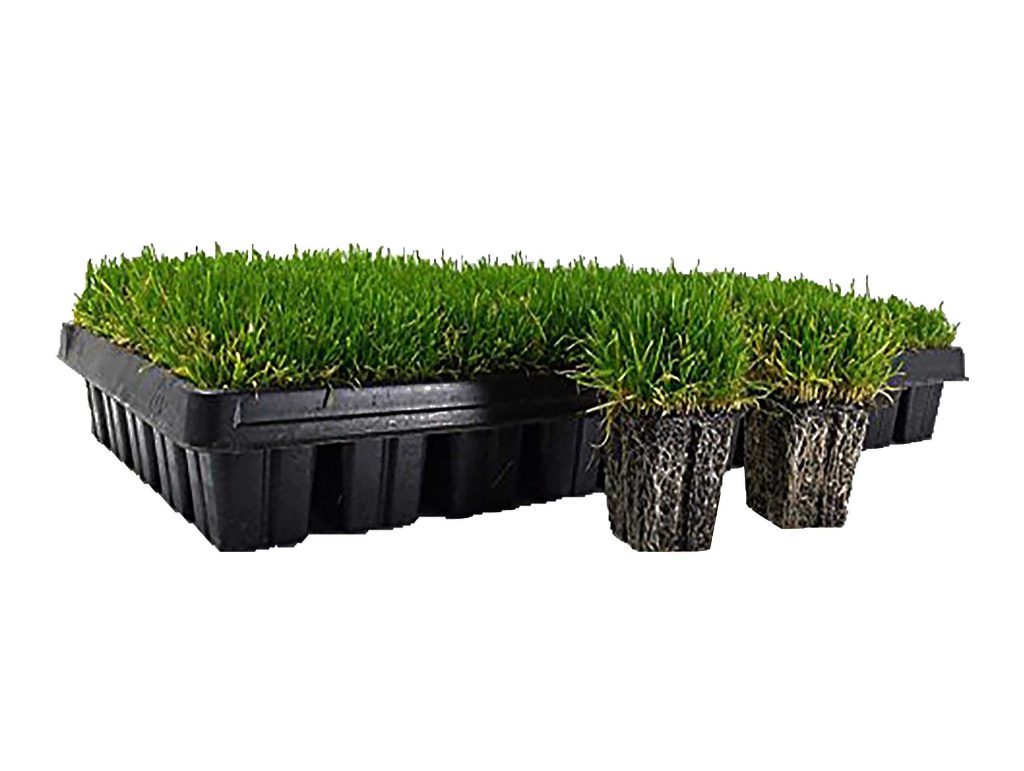
Zoysia grass plugs are small sections of sod that contain the roots, stolons, and rhizomes of the grass. These plugs are typically harvested from mature zoysia lawns and can be planted directly into your own lawn to establish a new grassy area. They are a convenient and cost-effective way to grow a zoysia lawn.
Benefits of Zoysia Grass Plugs
Choosing zoysia grass plugs for your lawn comes with several advantages:
- Drought tolerance: Zoysia grass is known for its excellent drought tolerance, making it an ideal choice for regions with limited water availability.
- Heat resistance: This grass variety thrives in hot and humid climates, showing remarkable resilience to high temperatures.
- Low maintenance: Zoysia grass requires less maintenance compared to other grass types. It grows slowly, reducing the need for frequent mowing and trimming.
- Dense growth: Once established, zoysia grass forms a dense turf, effectively choking out weeds and promoting a healthier lawn overall.
- Wear tolerance: Zoysia grass can withstand heavy foot traffic and recover quickly from damage, making it suitable for active families and pets.
- Visual appeal: With its vibrant green color and fine texture, zoysia grass enhances the aesthetic beauty of any landscape.
- Environmental benefits: Zoysia grass helps reduce soil erosion and captures carbon dioxide from the atmosphere, contributing to a healthier environment.
Choosing the Right Zoysia Grass for Your Lawn
Before purchasing zoysia grass plugs, it’s crucial to choose the right variety for your specific climatic conditions and lawn requirements. Some common types of zoysia grass include:
1. Zoysia japonica:
Zoysia japonica, also known as Japanese or Korean grass, is a common variety that performs well in a wide range of climates. It adapts to various soil types, making it a versatile choice for many homeowners.
2. Zoysia matrella:
Zoysia matrella, commonly referred to as Manila grass, is a fine-textured variety popular for its exceptional visual appeal. It requires more maintenance than other zoysia grass varieties, but the results are worth the effort for those seeking a pristine lawn.
3. Zoysia tenuifolia:
Zoysia tenuifolia, also known as Korean velvet grass or Mascarene grass, is a unique and eye-catching variety with a carpet-like appearance. It is best suited for ornamental purposes, such as ground covers or decorative accents in gardens.
Consulting with local experts or nurseries can help you determine the most suitable zoysia grass variety for your specific needs.
Planting Zoysia Grass Plugs
The success of your zoysia lawn largely depends on proper planting techniques. Follow these steps to ensure optimal results:
1. Soil Preparation:
Prepare the planting area by removing any existing grass, weeds, or debris. Loosen the soil to a depth of at least 4 to 6 inches and incorporate organic matter for improved drainage and nutrient availability.
2. Plug Spacing:
Determine the recommended plug spacing based on the specific zoysia grass variety you have chosen. Typically, spacing ranges from 6 to 12 inches, depending on the desired timeframe to achieve full coverage. Use a hand trowel or specialized plugger tool to dig holes at the designated intervals.
3. Inserting the Plugs:
Gently insert the zoysia grass plugs into the prepared holes, ensuring that the top of each plug aligns with the soil surface. Avoid burying the plugs too deep, as this can hinder their growth and establishment.
4. Watering:
Thoroughly water the newly planted plugs immediately after installation. This helps settle the soil around the roots and promotes initial growth. Maintain adequate moisture during the establishment phase to support root development.
5. Fertilization:
Apply a slow-release fertilizer specifically formulated for zoysia grass according to the manufacturer’s instructions. This provides essential nutrients to the plugs and aids in their establishment.
6. Early Care:
During the first few weeks, monitor the plugs regularly and keep the area free from weeds. Gradually increase watering intervals as the plugs begin to grow and establish.
Caring for Your Zoysia Lawn
Once your zoysia grass plugs have taken root and started spreading, proper care is vital to maintain a lush and healthy lawn. Consider the following maintenance practices:
1. Mowing:
Keep your zoysia lawn at an optimal height of 1 to 2 inches. Regular mowing helps encourage lateral growth and prevents thatch buildup. Avoid cutting more than one-third of the grass blades’ length at a time.
2. Watering:
Zoysia grass requires approximately 1 inch of water per week, either from rainfall or irrigation. Deep, infrequent watering promotes deep root growth and enhances the grass’s overall resilience.
3. Weed Control:
Manage weeds by applying pre-emergent herbicides in early spring to prevent weed seeds from germinating. Spot-treat any persistent weeds that may appear using appropriate herbicides labeled safe for zoysia grass.
4. Fertilization:
Feed your zoysia lawn with a balanced slow-release fertilizer in early spring, followed by additional applications according to the recommended schedule for your specific grass variety. Avoid over-fertilizing, as this can lead to thatch buildup or nutrient imbalances.
5. Aerating:
Consider aerating your zoysia lawn every 1 to 2 years to alleviate soil compaction and improve nutrient and water penetration. This helps maintain robust root growth and overall lawn health.
6. Pest and Disease Management:
Monitor your lawn regularly for signs of pests or diseases. Consult with professionals or local extension services if you detect any issues to identify appropriate treatment options.
By following these care practices, you can ensure a thriving zoysia lawn that will be the envy of your neighborhood.
Zoysia grass plugs provide a convenient and efficient way to establish a lush and resilient lawn. With their numerous benefits, such as drought tolerance, low maintenance, and visual appeal, zoysia grass is an excellent choice for homeowners seeking a beautiful and enduring lawn. By properly planting and caring for your zoysia grass plugs, you can enjoy a vibrant and healthy lawn for years to come.
How to plant Zoysia Plugs
Frequently Asked Questions
What are zoysia grass plugs?
Zoysia grass plugs are small sections of zoysia grass that are planted into bare or thinning areas of an existing lawn. They serve as a way to fill in these patches and promote a healthier, more uniform lawn.
How do I plant zoysia grass plugs?
To plant zoysia grass plugs, start by preparing the area by removing any weeds or debris. Dig holes that are slightly larger than the plugs, spacing them about 6 to 12 inches apart. Place the plugs into the holes and gently firm the soil around them. Water thoroughly and keep the area moist until the plugs establish.
What are the advantages of using zoysia grass plugs?
Zoysia grass plugs offer several advantages. They can help improve the appearance of a lawn by filling in bare or thinning areas. They also have good resistance to drought, heat, and heavy foot traffic. Additionally, zoysia grass is known for its dense growth pattern, which helps to naturally resist weed invasion.
How long does it take for zoysia grass plugs to spread and establish?
The time it takes for zoysia grass plugs to spread and establish varies depending on various factors such as the climate, soil conditions, and maintenance practices. Generally, it can take anywhere from 1 to 2 growing seasons for the plugs to fully spread and establish a dense lawn.
Can I plant zoysia grass plugs in any season?
The best time to plant zoysia grass plugs is during the warm season, preferably in late spring or early summer when soil temperatures are consistently above 70°F (21°C). This allows the plugs to take root and establish more quickly. However, zoysia grass plugs can also be planted in early fall in areas with mild winters.
How do I care for zoysia grass plugs after planting?
After planting zoysia grass plugs, it is important to water them regularly to keep the soil consistently moist. Avoid mowing the plugs until they have fully established, generally when they have spread and grown to a height of about 1.5 to 2 inches. Once established, maintain the lawn by following proper watering, mowing, and fertilizing practices.
Final Thoughts
Zoysia grass plugs are an excellent option for those seeking a low-maintenance and visually appealing lawn. With their ability to withstand drought and heat, zoysia grass plugs prove to be a resilient choice for homeowners. These plugs establish quickly, spreading to fill in bare areas and creating a lush green carpet. Their dense growth also helps to crowd out weeds, reducing the need for herbicides. Overall, zoysia grass plugs offer a natural and hassle-free solution for achieving a beautiful and sustainable lawn.