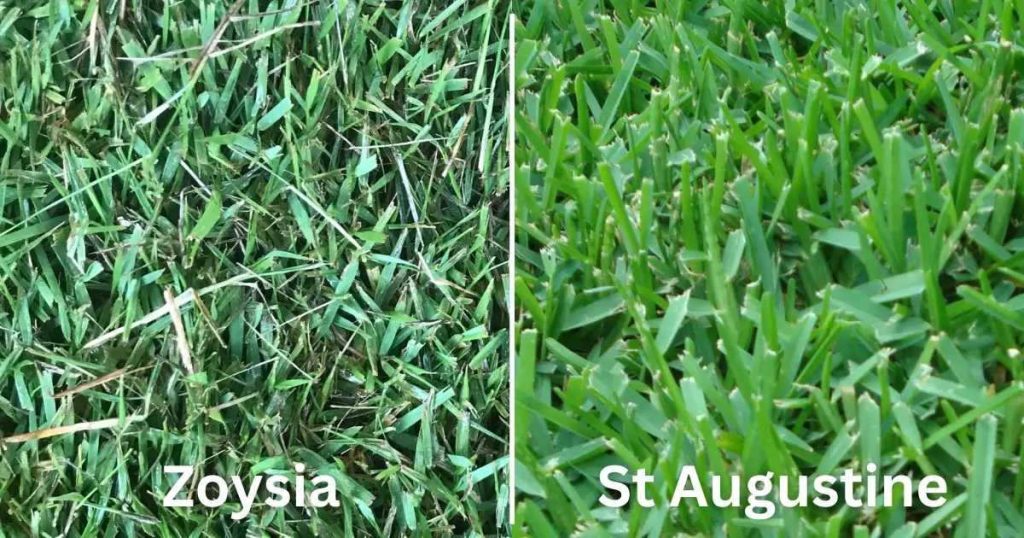
If you’re debating between zoysia grass and St. Augustine for your lawn, the choice really depends on your climate and lawn preferences. Zoysia offers a dense, slow-growing, drought-tolerant turf, ideal for areas with hot summers and less frequent watering needs. St. Augustine, on the other hand, provides a lush, soft, quick-growing grass that thrives in humid, coastal environments with ample watering.
In short, if you want a low-maintenance, drought-resistant lawn, zoysia is the smart pick. If you prefer a vibrant, plush, easy-to-establish turf in moist climates, St. Augustine is your best bet.
When deciding between zoysia grass and St. Augustine, consider your local climate, maintenance capabilities, and aesthetic preferences. Zoysia is perfect for those seeking a hardy, drought-tolerant lawn that requires less care, making it a great choice for warmer, drier regions. St. Augustine, meanwhile, is favored in humid coastal areas for its soft texture and quick establishment but needs more frequent watering and fertilizing. Understanding your environment and lawn goals will help you choose the best grass to ensure a beautiful, healthy yard all year round.

Zoysia Grass or St Augustine: Which Is Better for Your Lawn?
Understanding Zoysia Grass
Zoysia grass is a warm-season turf known for its dense, lush appearance. It grows slowly but creates a thick mat that crowds out weeds naturally. This grass is highly tolerant of foot traffic, making it ideal for busy yards and play areas.
Advantages of Zoysia Grass
- Low Maintenance: Requires less watering and mowing compared to other grasses.
- Heat Tolerance: Handles hot summer temperatures well without browning.
- Disease Resistance: Generally resistant to common lawn diseases, reducing the need for chemical treatments.
- Slow Growth Rate: Means less frequent mowing, saving time and effort.
Challenges of Zoysia Grass
- Slow Establishment: Takes longer to fully grow in, sometimes up to a year.
- Cold Sensitivity: Less suitable for areas with harsh winters, as it can go dormant or die back.
- Cost: Often more expensive to install due to its slow growth and specialized planting methods.
Understanding St Augustine Grass
St Augustine grass is a popular warm-season grass that thrives in coastal and southern regions. It has broad, flat blades and forms a dense, carpet-like lawn. It grows quickly and recovers rapidly from damage, making it a favorite among homeowners.
Advantages of St Augustine Grass
- Fast Growth: Quickly establishes a thick turf that look lush and vibrant.
- Shade Tolerance: Performs well in partly shaded areas, unlike some grasses that need full sun.
- Ease of Maintenance: Mowing and watering are straightforward, especially for beginners.
- Recovery: Rapid regrowth helps to repair any damage from foot traffic or pests.
Challenges of St Augustine Grass
- Water Requirements: Needs consistent watering to maintain its health and appearance.
- Pest Susceptibility: Prone to pests like chinch bugs and pests that can damage the turf.
- Cold Sensitivity: Cannot tolerate cold winters and may require winter protection in cooler climates.
- Thatch Buildup: Tends to develop thatch, which may need regular dethatching to maintain health.
Comparing Zoysia Grass and St Augustine
| Feature | Zoysia Grass | St Augustine |
|---|---|---|
| Growth Rate | Slow | Fast |
| Maintenance | Lower | Moderate |
| Sunlight Needs | Full sun to partial shade | Full sun to partial shade |
| Watering | Less frequent | More frequent |
| Cold Tolerance | Less tolerant | Less tolerant |
| Traffic Tolerance | High | Moderate to high |
Growth Habits and Suitable Climates
Both grass types thrive in warm climates. Zoysia is perfect for hot regions with less rainfall, thanks to its drought resistance. St Augustine prefers moist, well-drained soil and is better suited for humid regions with high summer temperatures.
Climate Guidelines
- Zoysia Grass: Ideal for zones 6 through 10, especially in areas with hot, dry summers.
- St Augustine: Thrives in zones 8 through 11, especially near coastlines and humid environments.
Soil Preferences and Preparation
Proper soil preparation enhances the health and growth of both grasses. Zoysia prefers slightly acidic to neutral soil with good drainage. St Augustine flourishes in rich, loamy soils with high organic matter content.
Soil Testing
It’s advisable to test your soil before planting. Adjust pH levels and add amendments as necessary to ensure optimal conditions for your chosen grass.
Planting and Establishment
Zoysia can be established through sod, plugs, or seeds, with sod being the fastest method. St Augustine is typically planted through sod or plugs, as seed options are limited and slower to establish.
Maintenance and Care Tips
Regular mowing, watering, fertilizing, and pest control are essential for maintaining a healthy lawn of either grass type.
Mowing Practices
– Zoysia should be mowed at about 1 to 2 inches tall.
– St Augustine should be kept at around 2.5 to 4 inches for best health.
– Avoid cutting more than one-third of the grass height at a time.
Watering Needs
– Zoysia requires deep watering once or twice a week.
– St Augustine benefits from consistent watering, especially during dry spells.
Fertilization
– Use a balanced fertilizer with nitrogen for optimal growth.
– Zoysia responds well to less frequent feeding.
– St Augustine benefits from regular feeding every six to eight weeks during the growing season.
Pest and Disease Management
Both grasses face pests and diseases, but their susceptibilities differ.
Common Pests
- Chinch bugs are a major issue for St Augustine.
- Armyworms and sod webworms can also affect either grass.
Common Diseases
– Zoysia can suffer from brown patch and dollar spot.
– St Augustine is prone to gray leaf spot and collar rot.
Preventive Measures
Regularly monitor lawns for pests and diseases. Keep your grass healthy with proper watering and fertilizing. Use appropriate pesticides or fungicides when necessary, following safety guidelines.
Environmental Impact and Sustainability
Choosing the right grass impacts water use, pesticide application, and overall environmental health. Zoysia’s drought resistance makes it a more eco-friendly choice in arid regions. St Augustine’s higher water needs may require more resources, but its quick recovery reduces the need for chemical interventions.
Cost Considerations and Longevity
Expect higher initial investment for zoysia due to installation costs and slower growth. St Augustine’s affordability and fast establishment make it appealing for many homeowners. Both grasses can last many years when properly maintained.
The choice between zoysia grass and St Augustine depends on your climate, soil, lifestyle, and lawn use. Zoysia offers lower maintenance and drought tolerance, while St Augustine provides rapid coverage and shade resilience. Consider your specific needs and local conditions before making a decision for a beautiful, healthy lawn.
Zoysia | Pros Cons Tips and Tricks
Frequently Asked Questions
How does the maintenance of Zoysia grass compare to that of St. Augustine?
Zoysia grass generally requires less frequent mowing and fertilization compared to St. Augustine. It has a slower growth rate, which means less trimming and less frequent feeding help maintain its health. Conversely, St. Augustine grows faster and often demands more regular mowing, watering, and fertilization to stay lush and green.
In what climates do Zoysia grass and St. Augustine thrive best?
Zoysia grass adapts well to a variety of climates, including both warm and transitional zones. It handles drought conditions better and remains green during cooler months in milder climates. St. Augustine prefers subtropical and tropical regions with high humidity and consistent warmth, thriving in areas with moderate rainfall and less exposure to cold temperatures.
What are the resilience differences between Zoysia grass and St. Augustine?
Zoysia grass tends to be more resilient against drought, foot traffic, and pests, making it suitable for busy yards. It can tolerate some shade, though it performs best in full sun. St. Augustine, on the other hand, is less drought-tolerant and more susceptible to pests; however, it grows rapidly and quickly fills in bare spots, which can help recover from damage faster in certain conditions.
Final Thoughts
Zoysia grass and St. Augustine both make excellent lawn choices, each with unique benefits. Zoysia offers dense coverage and tolerates foot traffic well, while St. Augustine thrives in warm, humid climates and provides a lush, thick appearance.
Choosing between them depends on specific climate and maintenance preferences. Both grasses enhance curb appeal and offer durable, attractive lawns.
Ultimately, whether you prefer zoysia grass or St. Augustine, consider your local environment and upkeep needs to make the best decision for your lawn.