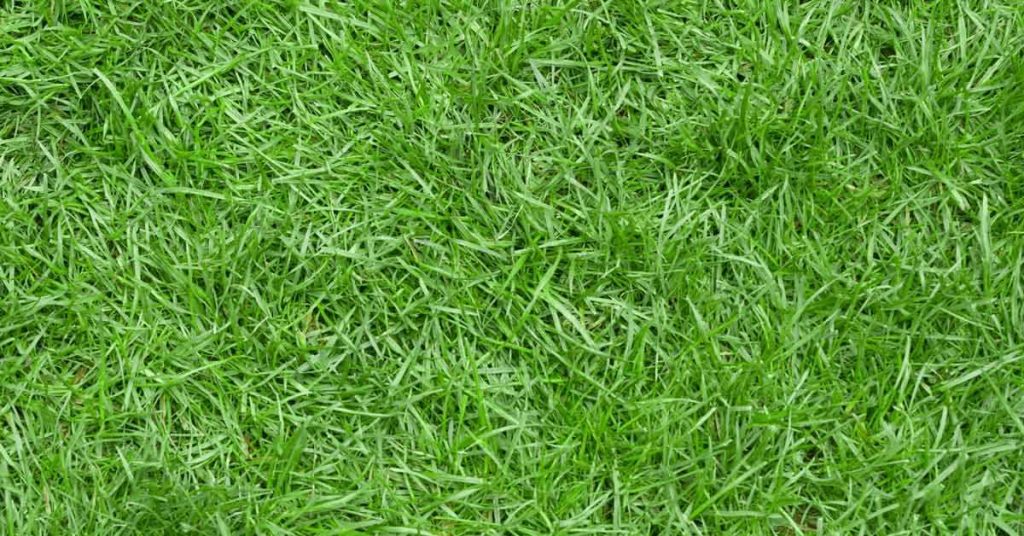
If your Zoysia grass suddenly resembles straw, don’t panic! The issue is often linked to environmental stress, watering problems, or seasonal changes. Addressing these factors can restore your grass’s lush appearance quickly.
In short, Zoysia grass that looks like straw is usually a sign of stress or damage caused by drought, improper fertilization, or cold weather. By adjusting watering routines, providing the right nutrients, and protecting it from the cold, you can help your grass recover and regain its healthy green hue.
When your Zoysia grass starts to look like straw, it can be alarming. This golden, dried-out appearance often hints at underlying issues that need addressing. Whether it’s a result of drought, over-fertilization, or harsh weather conditions, understanding the cause is key to restoring your lawn’s vitality. Zoysia is a tough, low-maintenance grass, but like all plants, it responds to its environment. If left untreated, it can become patchy or even die back completely. So, don’t despair—by identifying the root of the problem and taking targeted action, you can bring your Zoysia back to life and enjoy a lush, green yard once again.

Zoysia Grass Looks Like Straw: Understanding the Causes and Solutions
What Does Zoysia Grass Looks Like Straw Mean?
Many homeowners notice that their zoysia grass appears similar to straw, especially during certain seasons or conditions. This look can be worrying, but understanding why it happens is key.
Zoysia grass looking like straw typically involves yellowing, browning, or dry-looking patches. These changes often signal underlying issues affecting the health of the grass.
Common Reasons Why Zoysia Grass Looks Like Straw
1. Drought Stress
One of the main reasons zoysia grass turns straw-like is insufficient water. When the grass does not get enough moisture, it begins to dry out, causing a yellow or brown appearance.
In hot, dry seasons or during drought conditions, the grass may go dormant to conserve water, leading to a straw-like look. Regular watering helps keep the grass lush and green.
2. Over-Exposure to Sunlight
While zoysia thrives in full sun, extreme sunlight combined with high temperatures can cause dehydration and browning.
Prolonged exposure to intense sunlight without adequate watering can turn grass blades yellow or brown, mimicking straw.
3. Nutrient Deficiency
Grass needs essential nutrients like nitrogen, potassium, and phosphorus to stay healthy and vibrant.
A lack of these nutrients, especially nitrogen, can cause yellowing or dull coloration, making the turf look like straw.
- Ensure regular fertilization with a balanced fertilizer suitable for zoysia.
- Test soil to check nutrient levels and amend accordingly.
4. Improper Mowing Practices
Mowing too low or unevenly can stress zoysia grass. Cutting the grass excessively short exposes the roots and stems, causing dehydration.
This stress manifests as a straw-like appearance, especially in dry conditions.
- Maintain proper mowing height, usually around 1 to 2 inches for zoysia.
- Use sharp mower blades for clean cuts.
5. Pest Infestation and Disease
Pests like grubs or disease pathogens can damage the grass, leading to patchy, straw-colored areas.
Healthy, pest-free grass is less likely to look like straw, so identify and manage pests promptly.
- Inspect turf regularly for signs of pests or disease.
- Apply appropriate treatments, such as insecticides or fungicides, as needed.
Seasonal Changes and Their Effects on Zoysia Grass
Winter Dormancy
During winter, especially in colder climates, zoysia grass naturally enters dormancy. The grass turns yellow or brown and looks straw-like as it conserves energy.
This change is normal and temporary, and the grass typically greens up when warmer weather returns.
Spring Recovery and Growth
In spring, zoysia begins to recover from dormancy. Proper care accelerates this process, restoring a lush green appearance.
Fertilization and watering in early spring promote healthy regrowth and reduce straw-like patches.
How to Improve the Appearance of Straw-Like Zoysia Grass
Proper Watering Techniques
Water deeply and infrequently to promote deep root growth. Aim for about one inch of water per week, including rainfall.
Water early in the morning to reduce evaporation and allow the grass to dry before evening.
Fertilization Tips for Lush Green Zoysia
- Apply a nitrogen-rich fertilizer during the growing season.
- Follow label instructions carefully to avoid overfeeding.
- Consider a slow-release fertilizer for sustained nourishment.
Adjusting Mowing Practices
Keep mowing height at 1.5 to 2 inches for optimal health.
Avoid scalping the grass, which can cause stress and lead to a straw-like look.
Addressing Pest and Disease Issues
Apply appropriate pest control methods at the first sign of infestation.
Maintain good lawn hygiene to prevent disease spread, including removing dead grass and debris.
Additional Tips for Maintaining Healthy Zoysia Grass
- Limit foot traffic during hot, dry periods to prevent stress.
- aerate turf annually to improve soil drainage and oxygen flow.
- Manage thatch buildup, as excessive thatch can hinder water absorption and promote disease.
Related Topics for Zoysia Grass Care
Choosing the Right Zoysia Variety
Different types of zoysia, such as Emerald, Meyer, or Zenith, have specific care requirements. Select a variety suitable for your climate and lawn needs.
Dealing with Thatch Buildup
Thatch can block water, nutrients, and air from reaching the roots. Regular dethatching promotes healthier growth and prevents straw-like patches.
Soil Testing and Amendments
Testing soil helps identify pH imbalances or nutrient deficiencies. Amend the soil with lime or compost as needed for optimal grass health.
Irrigation System Recommendations
Consider installing an irrigation system with timers to ensure consistent watering, especially during dry spells.
This automation helps maintain a uniform, healthy appearance and prevents straw-like damage caused by irregular watering.
Professional Lawn Care Services
If DIY methods do not improve your zoysia’s appearance, professional lawn services can diagnose problems more accurately and provide tailored treatments.
Understanding why zoysia grass looks like straw and applying appropriate care methods can restore its vibrant green color and healthy texture. Regular maintenance, proper watering, fertilization, and pest control are essential in keeping your lawn lush and inviting.
What Type of Zoysia Grass Is Best
Frequently Asked Questions
What causes zoysia grass to resemble straw in appearance?
Several factors can cause zoysia grass to look like straw, including drought stress, nutrient deficiencies, or improper mowing. When the grass doesn’t receive enough water, it becomes dry and brittle, turning a yellow or brownish hue similar to straw. Additionally, a lack of essential nutrients can weaken the grass, leading to a straw-like appearance. Improper mowing height or frequency can also damage the grass, making it look unhealthy and straw-like.
How can I improve the health of my zoysia grass if it looks like straw?
To restore your zoysia grass, start by ensuring it receives adequate water, especially during dry periods. Apply balanced fertilizers designed for warm-season grasses to address any nutrient deficiencies. Adjust your mowing height to the recommended level, usually around 1 to 2 inches, and avoid cutting more than one-third of the grass height at a time. Aerating the soil can also improve root growth and overall health, helping the grass regain its lush appearance.
Are there specific signs that indicate my zoysia grass is suffering from environmental stress?
Yes, signs of environmental stress include irregular patches of yellow or brown grass, thinning or bare spots, and a generally dull or unhealthy look. If the grass feels brittle or easily breaks when stepped on, it likely experiences drought stress or soil compaction. Additionally, if the grass turns straw-colored after periods of extreme heat or drought, it may need additional watering or shade protection to recover.
Can I reseed or overseed my zoysia lawn to fix the straw-like appearance?
Since zoysia grass spreads slowly and is difficult to overseed effectively, it’s often best to evaluate the root cause of the straw-like look first. If the grass is patchy or has bare spots, you might consider overseeding with a compatible grass type or planting new zoysia stolons. Proper soil preparation, watering, and fertilizing are essential to ensure successful establishment and a healthier, more uniform lawn.
What maintenance practices should I follow to prevent zoysia grass from looking strawy?
Regular watering, especially during dry spells, helps maintain healthy, green grass. Mow at the appropriate height and avoid scalping, which stresses the turf. Fertilize according to the grass’s seasonal needs to ensure it receives necessary nutrients. Aerate the soil annually to improve air and water penetration, and remove thatch buildup. These practices promote strong root development and keep the grass resilient against environmental stressors.
Final Thoughts
Zoysia grass looks like straw, especially when it is dormant or newly planted. Its fine, golden appearance can resemble dried straw, which may concern homeowners. This similarity is natural during certain seasons or growth stages.
Understanding this resemblance helps set realistic expectations for your lawn’s appearance. Proper care and maintenance can improve its lushness over time. Recognizing these visual cues prevents unnecessary worry about your grass’s health.
In conclusion, zoysia grass looks like straw mainly during dormancy or initial growth. Knowing this ensures you appreciate its natural cycle and maintain your lawn confidently.