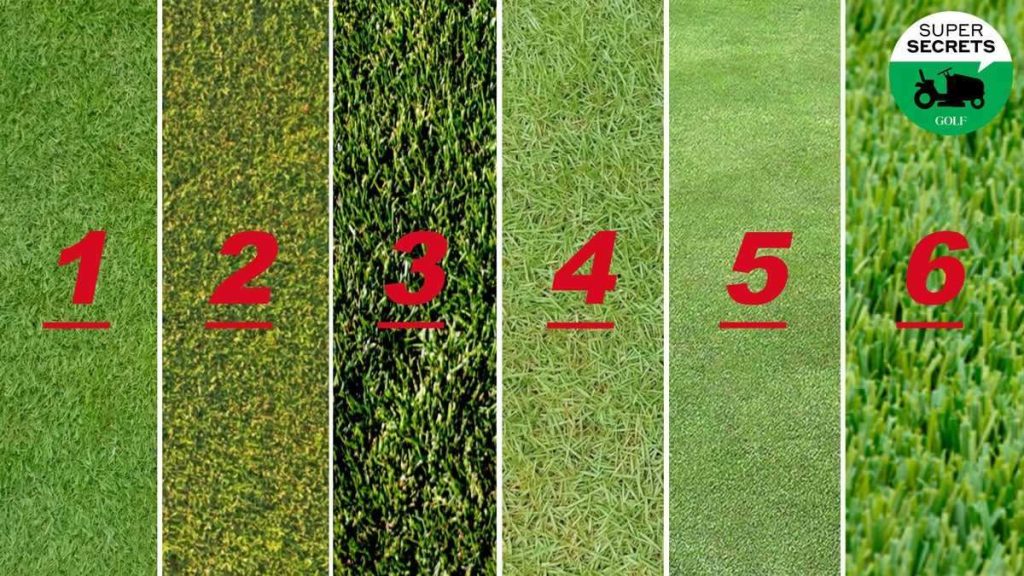
Zoysia grass is an excellent choice for golf courses, offering a lush, resilient, and low-maintenance turf option. Its durability and beautiful appearance make it ideal for creating smooth, playable greens and fairways. In short, Zoysia grass provides a durable, drought-tolerant, and visually appealing surface that stands up well to frequent use and varying weather conditions on golf courses.
For golf courses, Zoysia grass is a game-changer because it combines thick, dense coverage with excellent drought resistance and low water needs. Its ability to withstand heavy foot traffic and maintain a beautiful green color makes it a popular choice among course managers looking for sustainable and attractive turf. This grass also requires less fertilization and mowing, lowering maintenance costs while enhancing playability and aesthetic appeal. If you’re seeking a turf solution that balances performance, sustainability, and beauty, Zoysia grass is definitely worth considering for your golf course landscape.

Zoysia Grass for Golf Courses: The Perfect Turf for Green and Fairways
Introduction to Zoysia Grass on Golf Courses
Zoysia grass is becoming increasingly popular among golf course managers. Its unique qualities make it stand out compared to traditional turfgrasses. Golfers enjoy smooth putts and lush greens thanks to zoysia’s dense growth.
Why Choose Zoysia Grass for Golf Courses?
Golf course owners look for turf that withstands foot traffic and bad weather. Zoysia offers excellent durability and low maintenance needs. It remains green during droughts and survives heavy use.
Durability and Wear Tolerance
Zoysia’s dense root system creates a tough grass that resists wear. It recovers quickly after divots or heavy play. This resilience keeps greens and fairways looking pristine year-round.
Low Water and Fertilizer Requirements
One of zoysia’s great benefits is its ability to grow with less water. It also needs fewer fertilizers, saving money. This makes it a sustainable option for golf courses aiming for eco-friendly practices.
Types of Zoysia Grass Suitable for Golf Courses
Not all zoysia types are perfect for golf courses. Some varieties offer better shade tolerance or growth habits.
Emerald Zoysia
A popular choice for golf fairways, Emerald zoysia features fine blades. It creates a smooth surface ideal for putting and mowing.
Meyer Zoysia
Meyer zoysia is known for being hardy and drought-tolerant. It performs well in warm climates and is fairly easy to establish on golf greens.
Zenith Zoysia
This variety is appreciated for its shade tolerance and dense growth. It can be used in areas with limited sun exposure.
Establishment and Maintenance of Zoysia on Golf Courses
Starting a zoysia turf demands patience and proper procedures. Maintaining it involves specific mowing, watering, and fertilization practices.
Establishment Methods
Golf courses can establish zoysia through sod, plugs, or seed. Sod provides instant coverage but costs more. Plugs or seed take longer but are more affordable.
Mowing Practices
Mowing height impacts turf health. For greens, keep zoysia at about 0.125 to 0.25 inches. For fairways and roughs, higher mowing heights are suitable.
Watering and Irrigation
Regular but deep watering encourages strong roots. During establishment, keep the soil moist but not waterlogged. Once mature, zoysia tolerates droughts better.
Fertilization Requirements
Applying balanced fertilizers promotes lush growth. For optimal results, use nitrogen-rich fertilizers in spring and summer, reducing in fall to prepare for dormancy.
Advantages of Zoysia Grass on Golf Courses
Zoysia offers several advantages that make it an excellent choice for golf courses.
Exceptional Drought Tolerance
Zoysia maintains its green color during periods of drought, reducing water bills. Its deep roots access water deep in the soil.
Little Disease Susceptibility
Compared to other grasses, zoysia resists many common turf diseases. This keeps greens healthy and reduces chemical treatments.
High Turf Density and Smoothness
The dense mat of zoysia creates a smooth surface ideal for putting. It minimizes ball bounce and provides predictable play.
Low Maintenance Needs
Less frequent mowing, watering, and fertilizing lower overall costs. Maintenance routines are simplified, saving time and effort.
Challenges and Considerations When Using Zoysia
Despite its many benefits, zoysia has some limitations that golf course managers need to consider.
Slow Establishment Period
Zoysia takes longer to establish than other grasses. Patience during the initial phase is essential to achieve a healthy turf.
Cold Climate Limitations
Zoysia prefers warm climates and can go dormant or suffer damage in cold weather. It is best suited for USDA zones 7 and above.
Potential for Thatch Buildup
Over time, zoysia can develop a thick thatch layer. Regular dethatching helps maintain turf health and airflow.
Environmental Benefits of Zoysia Grass
Golf courses adopting zoysia contribute positively to the environment.
Water Conservation
Lower water needs help conserve precious resources, especially in drought-prone regions.
Reduced Chemical Usage
Less disease and pest issues mean fewer pesticides and fungicides are necessary.
Carbon Sequestration
Dense turf can absorb more carbon dioxide, helping reduce greenhouse gases.
Comparing Zoysia to Other Turfgrasses in Golf
Understanding how zoysia stacks up against bermudagrass or Kentucky bluegrass can guide turf choices.
| Feature | Zoysia | Bermudagrass | Kentucky Bluegrass |
|---|---|---|---|
| Water Needs | Low | Moderate | High |
| Drought Tolerance | Excellent | Good | Poor |
| Wear Resistance | Strong | Moderate | Weak |
| Growth Rate | Slow | Fast | Medium |
| Shade Tolerance | Moderate | Low | High |
Future Trends in Using Zoysia for Golf Courses
Advances in turfgrass breeding continue to improve zoysia’s qualities. Researchers focus on developing varieties with faster establishment and better cold tolerance.
Breeding for Cold Hardiness
New zoysia types aim to expand the regions where the grass can thrive. This broadens the options for golf courses in cooler climates.
Sustainable Turf Management
Innovations emphasize eco-friendly practices like organic fertilization and integrated pest management. Zoysia’s low input needs align well with these trends.
Technological Integration
Smart irrigation systems and soil sensors help optimize water and fertilizer use. This ensures zoysia grass remains healthy while conserving resources.
Conclusion and Final Thoughts
Zoysia grass stands out as a turfgrass for golf courses due to its durability, low water needs, and environmental benefits. Its dense growth provides excellent playing surfaces for both greens and fairways. Although establishing zoysia requires patience, its long-term advantages make it a valuable choice for sustainable, high-quality golf course maintenance. It continues to evolve with new varieties and management techniques, promising even better performance and wider adaptability in the future.
Zoysia as a game changer
Frequently Asked Questions
How does zoysia grass affect the playability of golf course greens?
Zoysia grass provides a smooth and firm surface that enhances ball roll, making putting more predictable. Its dense growth habit minimizes uneven areas, leading to consistent playability. Additionally, zoysia’s ability to tolerate foot traffic and mowing pressure helps maintain a high-quality putting surface throughout the season.
What are the maintenance requirements for zoysia grass on golf courses?
Zoysia grass requires regular mowing to keep it at an optimal height for play. It benefits from infrequent watering once established, reducing water usage. Fertilization should focus on balanced nutrients to promote healthy growth, and overseeding may be necessary to manage thatch buildup. Overall, it demands less chemical input compared to other turfgrasses.
How does zoysia grass perform in different climate conditions?
Zoysia grass adapts well to warm climates and shows good drought tolerance, making it suitable for southern regions. However, it may enter dormancy or struggle in colder temperatures, which can affect its appearance and growth. Proper selection of zoysia varieties tailored to specific climate zones ensures better performance and durability on golf courses.
What environmental benefits does zoysia grass offer for golf course maintenance?
Zoysia’s deep root system helps reduce soil erosion and improves water absorption. Its low water and fertilizer needs decrease environmental impact and reduce operational costs. Moreover, its resistance to pests and diseases minimizes the use of chemical treatments, supporting sustainable golf course management.
Final Thoughts
Zoysia grass for golf courses offers excellent durability and a lush appearance, making it ideal for fairways and tees. Its drought tolerance reduces water usage and maintenance efforts. Additionally, its dense growth helps prevent weeds and enhances playability.
In conclusion, zoysia grass for golf courses provides a practical balance of aesthetics and performance, making it a popular choice among course managers seeking a reliable, attractive turf.