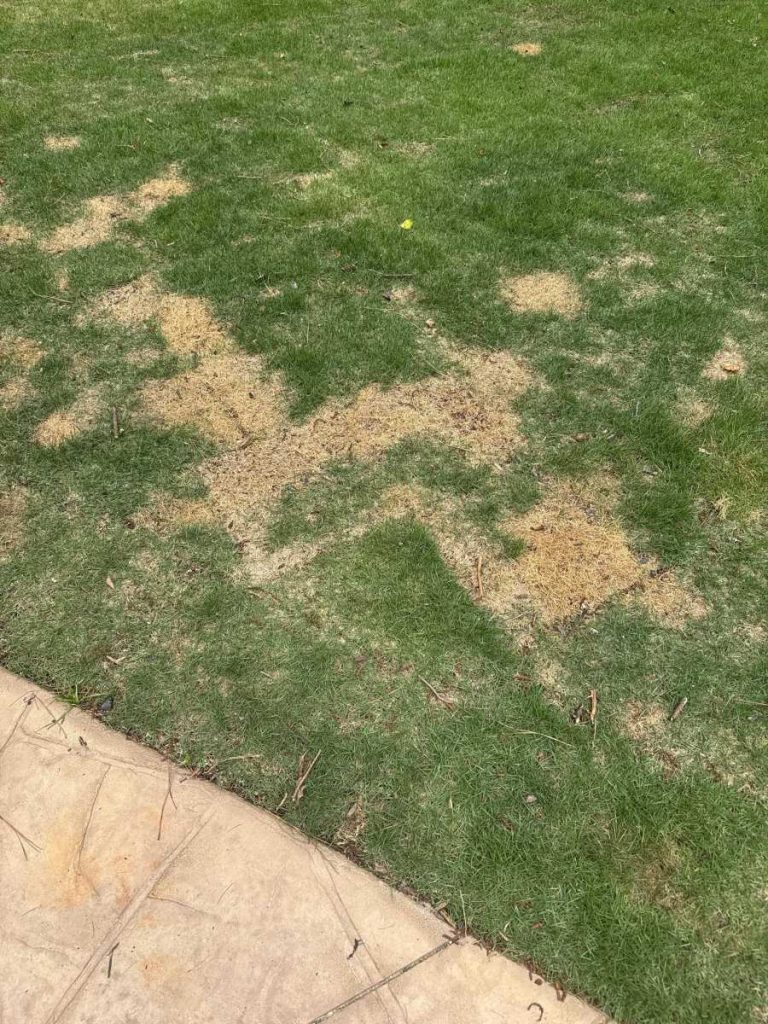
Quick fix: Regular watering and overseeding with soil rejuvenation can help repair dog-urine patches on Zoysia grass. Using grown-in fertilizers that neutralize nitrogen burns and training your dog to pee in designated areas can also be effective.
Zoysia grass is a popular choice for lawns, but dog urine can cause unsightly brown patches that seem almost impossible to fix. The high nitrogen content in dog urine burns the grass, leaving behind dead, discolored spots. Luckily, with some simple tricks like proper watering, overseeding, and training your pup, you can keep your lawn lush and green. Preventative measures are even better—training your dog to urinate in specific zones helps minimize damage. Addressing these issues quickly and consistently ensures your Zoysia lawn remains healthy and vibrant despite your furry friend’s outdoor habits.

Zoysia Grass and Dog Urine: How to Protect Your Lawn and Keep It Healthy
Understanding Zoysia Grass and Its Unique Qualities
Zoysia grass is a popular warm-season turfgrass known for its dense, lush appearance. It tolerates heat, drought, and heavy foot traffic, making it a favorite for many lawns. Its slow growth rate reduces maintenance, and its deep root system helps withstand dry conditions.
Zoysia’s thick blades form a tight mat, making it resistant to weeds and promising an attractive, even surface. These qualities make it an ideal choice for households with dogs, but challenges arise when dog urine comes into play.
Impact of Dog Urine on Zoysia Grass
Dog urine contains high levels of nitrogen, which can damage or kill grass when concentrated in one area. When a dog urinates on zoysia grass, the nitrogen can cause visible brown patches or dead spots. These patches appear within days and can spread if not addressed quickly.
The severity of damage depends on the dog’s diet, hydration level, and the concentration of urine. While zoysia grass is resilient, excessive or repeated exposure to concentrated urine can weaken the grass’s health over time.
Signs of Urine Damage on Your Zoysia Lawn
Identifying urine damage early helps in managing and preventing long-term harm. Common signs include:
- Discolored patches turning yellow or brown
- Dead or dying grass in small isolated spots
- Uneven or patchy appearance on the lawn
- Strong odor in affected areas
These symptoms usually appear shortly after a dog urinates, especially in warm weather.
Why Zoysia Grass Is More Resistant to Urine Damage Than Other Grasses
Zoysia’s dense, carpet-like structure provides some natural protection against urine spread. Its deep roots can dilute nitrogen’s effects better than shallow-rooted grasses like Bermuda or Kentucky bluegrass. The grass’s ability to recover quickly from minor damage also helps it bounce back faster.
However, even with these benefits, repeated or concentrated urine spots can still cause problems that require management.
Preventing Urine Damage on Your Zoysia Lawn
Prevention involves a combination of lawn management and dog training strategies. Here are some practical steps:
- Designate specific urination areas – Create a spot in your yard where your dog is encouraged to urinate. This limits damage to one area.
- Regularly water the lawn – Dilutes urine and reduces nitrogen buildup, minimizing damage.
- Train your dog – Reward your dog for urinating in the designated area to reinforce the habit.
- Maintain a healthy lawn – Keep your zoysia grass thick and vigorous to resist damage and recover quickly.
Implementing these practices significantly reduces the impact of urine spots on your zoysia grass.
How to Repair Urine-Damaged Zoysia Grass
If damage occurs despite prevention, prompt repair can restore your lawn’s health. Here are steps to fix and promote recovery:
Scarifying and Raking
Gently remove dead or damaged grass with a rake. This process aerates the soil and prepares it for new growth.
Reseeding or Ripping Out and Replacing
For large dead patches, reseeding zoysia grass is the best option. Use a small lawn roller to press the seed into the soil for better contact. In severe cases, remove the dead sod and replace it with fresh zoysia sod or plugs.
Applying Soil Amendments
Test your soil to determine if additional nutrients or pH adjustments are needed. Adding sulfur can help lower soil pH if it becomes too alkaline from excess nitrogen.
Watering and Ongoing Maintenance
Water thoroughly after repair to encourage growth. Regular fertilization and watering promote healthy, dense grass that resists future urine damage.
Long-Term Strategies to Protect Your Zoysia Lawn from Dog Urine
Sustained care and smart planning are key to long-term lawn health. Here are some additional tips:
- Use lawn amendments – Apply products like gypsum or specific lawn conditioners to neutralize excess nitrogen and reduce toxicity.
- Limit access – Keep dogs off vulnerable areas during peak times or when the lawn is stressed.
- Increase lawn resilience – Maintain proper mowing height, watering schedule, and fertilization to keep zoysia dense and vigorous.
With consistent upkeep, you can enjoy a lush zoysia lawn despite occasional dog urine spots.
Related Topics: Managing Dog Urine Damage in Different Lawns
While zoysia grass handles dog urine better than some grass types, other lawns face similar challenges. Consider these comparison points:
| Grass Type | Urine Tolerance | Best Practices |
|---|---|---|
| Zoysia Grass | Moderate to high | Regular watering, designated urination areas, repair patches |
| Bermuda Grass | Low to moderate | Frequent watering and reseeding |
| Kentucky Bluegrass | Low | Limited exposure, reseed damaged areas |
| Fescue | Moderate | Maintain thick turf, water regularly |
Understanding your lawn’s grass type helps tailor damage prevention and repair strategies.
Choosing the Right Lawn for Dog Owners
If you have a dog and want a low-maintenance lawn that withstands urine damage, zoysia grass is an excellent choice. Its resilience and dense coverage help mask spots and recover quickly.
To make your lawn thrive, combine proper watering, fertilizing, and dog training practices. Your yard can stay green and healthy, even with a four-legged friend around.
Summary of Key Points
- Zoysia grass is durable, tolerant to dog urine, and recovers fast from damage.
- Dog urine’s high nitrogen content can cause brown spots and dead patches.
- Preventive methods include designating urination zones, regular watering, and training your dog.
- Quick repair after damage involves raking, reseeding, and soil amendments.
- Long-term lawn health depends on maintaining a dense, healthy zoysia turf and consistent lawn care.
Knowing how to manage dog urine helps keep your zoysia lawn vibrant and inviting. Proper lawn care and dog training go hand in hand to maintain a beautiful yard for everyone to enjoy.
Zoysia Grass and Dogs – Houston Grass – Sugar Land Pearland Richmond TX
Frequently Asked Questions
How can I prevent dog urine from damaging my zoysia grass?
To protect your zoysia grass from dog urine damage, consider watering the affected areas immediately after your dog urinates. This helps dilute the urine and reduces its acidity. You can also train your dog to urinate in designated areas with less grass or use a barrier to prevent excessive contact with the lawn. Applying a soil amendment or organic fertilizer can strengthen the grass and improve its resilience against urine spots over time.
What are the signs that dog urine is harming my zoysia grass?
Look for patches of brown or yellowing grass within your lawn, especially in areas where your dog frequently urinates. These patches may become noticeable as the grass struggles to recover and may turn brittle or die off. If you notice these symptoms, it indicates that the urine’s chemical composition is affecting the health of your zoysia grass and requires attention.
Are there any specific products to treat urine spots on zoysia grass?
Yes, several products can help mitigate urine burn spots on zoysia grass. Use products containing natural soil conditioners or microbial inoculants that help break down urine salts and acids. Over-the-counter lawn repair mixes with organic ingredients can also promote healthy regrowth. Always follow the manufacturer’s instructions and avoid using harsh chemicals, which might further stress the grass.
Can regular watering improve the recovery of urine-affected patches on zoysia grass?
Regular watering plays a crucial role in helping zoysia grass recover from urine damage. Watering dilutes the urine before it can cause significant harm, reducing the concentration of salts and acids that damage the grass. Deep, consistent watering encourages healthy root growth and helps the grass bounce back more quickly from urine-related stress.
What are the best practices to maintain a healthy zoysia lawn with dogs?
Maintain a healthy lawn by watering deeply and regularly to promote strong roots. Mow the grass at the recommended height for zoysia to encourage dense growth, which can resist urine spots better. Designate specific urination areas for your dog or create a gravel or mulch zone to minimize damage. Regularly aerate and fertilize the lawn to strengthen the grass and enhance its ability to recover from any urine-related stress.
Final Thoughts
Zoysia grass offers a resilient and attractive option for lawns. Its dense growth helps minimize damage from dog urine.
However, dog urine can cause brown patches on zoysia grass if not managed properly. Regular watering dilutes the urine and prevents damage.
By adopting appropriate watering habits and maintaining healthy grass, you can keep your lawn vibrant. Zoysia grass and dog urine can coexist with proper care to maintain a lush landscape.