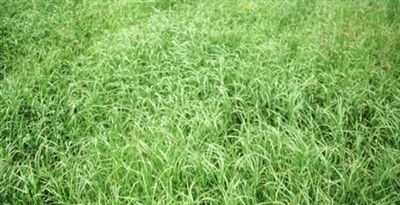
Looking for a lush, durable lawn that can stand up to foot traffic and thrive in warm climates? Wrangler Bermuda grass might just be your perfect solution. This resilient grass type is known for its fine texture, vibrant green color, and low maintenance needs, making it a popular choice for homeowners and landscapers alike. If you want a ground cover that grows quickly, stays green year-round, and handles drought conditions well, Wrangler Bermuda is worth considering. Its ability to recover quickly from damage and its adaptability to various soil types make it an excellent option for creating a beautiful, functional yard. Keep reading to discover everything you need to know about planting, caring for, and maintaining Wrangler Bermuda grass to keep your lawn looking its best.
Wrangler Bermuda grass is a hardy, fast-growing turf that provides an attractive, durable surface for lawns, sports fields, and golf courses. It is easy to establish and requires relatively low upkeep, making it ideal for those seeking a long-lasting, low-maintenance grass option. Proper care and understanding of its growth habits will ensure a healthy, lush lawn that stays vibrant throughout the year.

Wrangler Bermuda Grass: A Complete Guide to This Versatile Lawn Option
Introduction to Wrangler Bermuda Grass
Wrangler Bermuda grass is a popular choice among homeowners and landscapers due to its durability and lush appearance. It is a warm-season grass that thrives in hot climates and can withstand heavy foot traffic. Its vibrant green color and dense growth make it ideal for lawns, sports fields, and golf courses.
Properties and Characteristics of Wrangler Bermuda Grass
- Climate Tolerance
- Wrangler Bermuda prefers warm temperatures and full sun. It grows best in regions with hot summers and mild winters, making it suitable for southern states and tropical areas.
- Growth Habit
- This grass spreads through both stolons and rhizomes, allowing it to quickly fill in bare patches. It forms a dense mat that resists weeds and enhances lawn stability.
- Color and Texture
- The grass has a fine to medium texture with a vibrant, rich green hue. Its dense blades give a plush feel underfoot.
Advantages of Using Wrangler Bermuda Grass
- Excellent drought resistance, reducing water bills.
- High tolerance for wear and tear, making it perfect for active households.
- Fast growth rate allowing quick coverage of bare areas.
- Low maintenance requirements once established.
- Resistance to pests and diseases common to warm-season grasses.
Planting Wrangler Bermuda Grass: Best Practices
Preparation and Soil Conditions
Choose well-draining soil with a pH level between 5.8 and 7.0. Clear the area of debris and weeds before planting to prevent competition. Loosen the soil to promote healthy root growth.
Seeding and Sprigging
- Use certified Bermuda grass seeds or sprigs for best results.
- For seeding, spread seeds evenly at a rate of approximately 1 to 2 pounds per 1000 square feet.
- Sprigs should be planted about 2 to 3 inches apart, covering lightly with soil.
- Maintain consistent moisture during the establishment period.
Timing for Planting
Plant during late spring or early summer when soil temperatures reach at least 65°F. This timing promotes rapid germination and growth.
Watering and Fertilization
Watering Guidelines
Initially, keep the soil consistently moist to encourage germination. Once established, watering once or twice weekly is sufficient, focusing on deep soaking rather than frequent shallow watering.
Fertilization Schedule
Apply a balanced fertilizer high in nitrogen at planting. Follow up with fertilization every six to eight weeks during active growth periods to promote lush, green turf.
Mowing and Maintenance Tips
Optimal Mowing Height
Maintain the grass height between 1.5 and 2 inches. Regular mowing encourages dense growth and prevents pests.
Dealing with Thatch and Aeration
Thatch buildup can inhibit water and nutrient penetration. Aerate the lawn annually to improve soil compaction and promote healthy root development.
Common Pests and Diseases Affecting Wrangler Bermuda Grass
| Pest or Disease | Symptoms | Control Measures |
|---|---|---|
| Armyworms | Loss of grass color and patches of chewed blades | Use targeted insecticides and maintain healthy lawn practices |
| Southern YellownButton | Yellow patches and uneven growth | Improve drainage and apply appropriate fungicides if necessary |
| Brown Patch Disease | Large, circular brown patches | Aerate soil, reduce watering, and apply fungicides as needed |
Controlling Weeds in Wrangler Bermuda Grass Lawns
Maintaining a dense, healthy lawn is the best weed control method. Use pre-emergent herbicides during early spring to prevent weed seeds from germinating. Hand pull or use post-emergent herbicides for existing weeds, being careful to target only weeds to avoid damaging the grass.
Overseeding and Lawn Renovation
If your Bermuda grass lawn becomes thin or patchy, overseeding can help. Prepare the soil by aerating and removing debris. Spread new seeds evenly and keep the soil moist until germination occurs. Regular fertilization supports healthy new growth.
Environmental Benefits of Wrangler Bermuda Grass
- Reduces water consumption with its drought tolerance.
- Serves as a natural air filter, improving air quality.
- Prevents soil erosion on slopes and bare patches.
- Provides habitat for beneficial insects and wildlife.
Related Topics to Consider
Choosing the Right Grass for Your Climate
While Wrangler Bermuda is ideal for warm climates, cool-season grasses may suit other regions better. Consider local climate, soil type, and shade levels before planting.
Maintaining a Sustainable Lawn
Implementing eco-friendly practices like composting, organic fertilization, and integrated pest management can make your Bermuda lawn more sustainable.
Cost and Budgeting for Bermuda Lawn Installation
Initial costs include soil preparation, seed or sprigs, and irrigation setup. Ongoing maintenance costs involve fertilization, mowing, and pest control. Planning your budget carefully helps ensure a thriving lawn.
Wrangler Bermuda grass is a dependable choice for creating a lush, durable lawn in warm environments. Proper planting, watering, fertilization, and maintenance are essential to its success. With the right care, this grass can provide a beautiful, low-maintenance outdoor space for years to come.
OSU Extension: Potential of Hybrid Bermudagrass
Frequently Asked Questions
What maintenance practices are recommended for Wrangler Bermuda grass?
Regular mowing keeps Wrangler Bermuda grass healthy and dense, typically at a height of about 1 to 1.5 inches. Water the grass deeply but infrequently to promote strong root growth, especially during dry periods. Fertilize with a balanced fertilizer during the growing season to support vibrant color and growth. Additionally, aerate the soil annually to improve drainage and nutrient penetration. Consistently controlling weeds and pests ensures the lawn remains healthy and attractive.
How does Wrangler Bermuda grass perform in various soil conditions?
Wrangler Bermuda grass thrives best in well-drained soils with a pH between 6.0 and 7.0. It adapts well to sandy, loamy, and clay soils if they are properly amended for drainage and fertility. When planted in less ideal soils, regular fertilization and soil amendments can enhance growth. Proper soil preparation before planting ensures the grass establishes firmly and maintains its vigor across different environments.
Can Wrangler Bermuda grass tolerate heavy foot traffic?
Yes, Wrangler Bermuda grass is known for its耐性 to heavy foot traffic, making it an excellent choice for lawns used frequently by children and pets. Its dense growth habit helps it recover quickly from wear and tear. However, consistent maintenance like overseeding thin areas and proper mowing can help maintain its resilience and appearance in high-traffic zones.
What are common challenges when growing Wrangler Bermuda grass?
Common challenges include uneven growth in shaded areas, susceptibility to pests like armyworms, and weed invasion if not properly managed. Thatch buildup can also hinder growth, requiring occasional dethatching. Ensuring adequate sunlight, proper watering, and timely fertilization can mitigate these issues and promote a healthy, lush lawn.
Final Thoughts
Wrangler bermuda grass offers an excellent choice for those seeking a durable and lush lawn. Its drought tolerance and easy maintenance make it popular among homeowners and landscapers alike. Proper care and regular watering will keep it thriving. In summary, choosing wrangler bermuda grass ensures a healthy, attractive yard that withstands challenging conditions with ease.