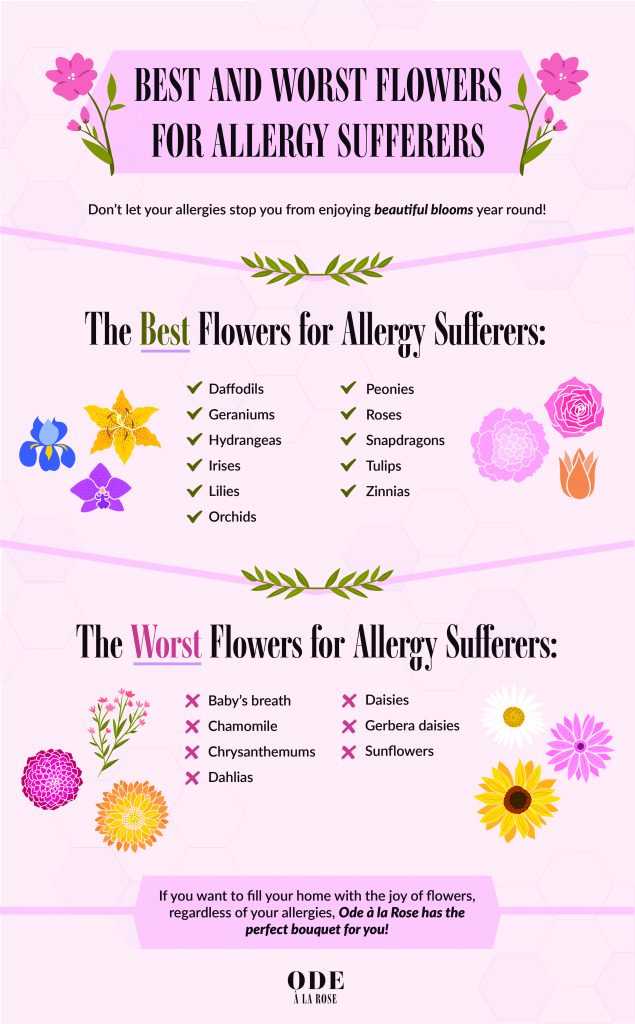
If you suffer from allergies, you might want to think twice before bringing flowers into your home or garden. Some blooms can trigger sneezing, itchy eyes, and other allergy symptoms, making your enjoyment of beautiful blossoms a nightmare. The worst offenders include highly fragrant flowers and those that release a lot of pollen, like ragweed, daisies, and certain types of chrysanthemums. To keep your allergy symptoms at bay, it’s best to opt for low-pollen or hypoallergenic varieties like roses and orchids. In this article, we’ll explore the worst flowers for allergy sufferers and offer tips on how to choose the right floral companions that won’t wreak havoc on your respiratory system.

Worst Flowers For Allergy Sufferers
Allergies can be a real pain, especially during the blooming season. For those who suffer from pollen allergies, some flowers can make life miserable. Knowing which flowers to avoid can help you enjoy your garden or fresh cut blooms without the sneezing fits. Let’s explore some of the worst flowers for allergy sufferers and why they can be so problematic.
Understanding Allergies and Pollen
Before diving into specific flowers, it’s important to understand how allergies work. Allergies occur when your immune system overreacts to a foreign substance. In the case of flowers, pollen is the main culprit.
– **Pollen:** This is a fine powder produced by trees, grasses, and flowers. Many people are allergic to pollen, leading to sneezing, runny noses, and itchy eyes.
– **Flowering Plants:** When plants bloom, they release pollen into the air. Not all flowers produce the same amount of pollen, so some are worse than others for allergy sufferers.
Flowers to Avoid
Here are some of the worst offenders when it comes to allergies. Knowing these can help you steer clear of problems.
1. Ragweed
Ragweed is one of the most notorious plants for allergy sufferers. Although it may not be a traditional flower, it often tops the list for pollen production.
– **Pollen Season:** Ragweed typically releases pollen from late summer to early fall.
– **Symptoms:** Exposure can cause severe reactions, including nasal congestion and itchy eyes.
2. Chrysanthemums
Chrysanthemums, also known as mums, are common in gardens and arrangements. Unfortunately, they can be a bad choice for sensitive individuals.
– **Pollen Production:** They can produce a significant amount of pollen, triggering allergic reactions.
– **Alternative Options:** Consider non-pollinating flowers if you love the look of chrysanthemums.
3. Sunflowers
Sunflowers are beloved for their bright and cheerful appearance. However, they can also be problematic for allergy sufferers.
– **Pollen Count:** Sunflowers release a large amount of pollen, mainly in late summer.
– **Allergic Reactions:** People often experience sneezing and breathing difficulties when exposed.
4. Lilies
Lilies are beautiful and fragrant, but they are also high in pollen.
– **Fragrance and Pollen:** The strong scent attracts many, but the pollen can lead to severe allergy symptoms.
– **Considerations:** Keep lilies out of your home if you have a known allergy.
5. Daisies
Daisies are another flower that many people enjoy. Sadly, they are known to produce allergenic pollen too.
– **Seasonal Effects:** Daisies bloom from spring to summer, making them a seasonal allergy trigger.
– **Symptoms:** Exposure can lead to itchy eyes and a runny nose.
Less Allergenic Flower Options
If you love flowers but want to avoid allergy triggers, consider some less allergenic options.
1. Orchids
Orchids are stunning and can be a great alternative for allergy sufferers.
– **Pollen Type:** They produce less pollen and often have a more minimal scent.
– **Beauty:** Their beauty can brighten up any space without the allergy woes.
2. Tulips
Tulips are bright and cheerful, making them a popular choice.
– **Pollen Production:** They have a low pollen count, making them friendly for allergies.
– **Variety:** Available in many colors, tulips can suit any occasion.
3. Roses
Roses can be a safe option for allergy sufferers.
– **Less Pollen:** While they do produce some pollen, it is generally less allergenic than that of other popular flowers.
– **Aromatic Options:** Enjoy hybrids that offer beautiful colors and scents without the allergy risk.
How to Manage Allergies Around Flowers
Even with the best flower choices, managing allergies is crucial. Here are some tips.
1. Keep Windows Closed
During peak pollen seasons, it’s wise to keep your windows closed.
– **Air Quality:** This helps maintain better indoor air quality.
– **Allergy Relief:** It can significantly reduce the amount of pollen entering your home.
2. Use Air Purifiers
Investing in air purifiers can be beneficial.
– **Filters:** Choose ones with HEPA filters to trap allergens effectively.
– **Allergy Reduction:** They can help reduce symptoms by cleansing the air.
3. Wash Up After Time Outdoors
If you’ve been outside, washing up can help.
– **Remove Pollen:** A quick wash can help remove any pollen that clings to your skin or hair.
– **Change Clothes:** Consider changing clothes to further limit pollen exposure.
4. Timing Matters
Be mindful of when you’re outdoors.
– **Pollen Count:** Pollen counts are usually highest in the morning.
– **Plan Activities:** Schedule outdoor activities later in the day when counts may be lower.
Finding the right flowers can be a balancing act for allergy sufferers. It’s crucial to avoid high-pollen flowers like ragweed, chrysanthemums, and sunflowers. Instead, consider stunning options like orchids, tulips, and roses. Management strategies like keeping windows closed, using air purifiers, and timing your outdoor activities can also help. With these tips and insights, you can enjoy a beautiful flower-filled environment while minimizing allergy symptoms.
Worst flowers for people with allergies!!!/ ( In ENGLISH)
Frequently Asked Questions
“`html
What types of flowers should allergy sufferers avoid?
Allergy sufferers should avoid flowers that produce high levels of pollen, such as ragweed, daisies, and sunflowers. These flowers can trigger allergic reactions and worsen symptoms for those sensitive to pollen.
Are there specific seasonal flowers that cause more allergies?
Yes, certain flowers are more prevalent during specific seasons. For example, springtime blooms like cherry blossoms and lilacs can disturb allergies due to their pollen release. Late summer and fall also see an increase in ragweed and goldenrod, which can exacerbate allergic reactions.
How can one reduce allergy symptoms when around flowers?
To minimize allergy symptoms when near flowers, consider wearing a mask, taking antihistamines, and avoiding peak pollen times, typically early morning and windy days. Additionally, keeping windows closed and using air purifiers can help reduce indoor pollen levels.
Can indoor flowers also trigger allergies?
Yes, some indoor flowers can trigger allergies. Plants like chrysanthemums and peace lilies may release pollen and mold spores, leading to allergic reactions. Opt for hypoallergenic indoor plants if you are sensitive to allergens.
What alternatives can allergy sufferers consider for gardening?
Allergy sufferers can choose low-pollen and hypoallergenic flowers for gardening, such as begonias, geraniums, and petunias. These plants produce less pollen and are less likely to trigger allergic responses.
“`
Final Thoughts
Identifying the worst flowers for allergy sufferers is crucial for maintaining comfort during allergy season. Some flowers, like ragweed and daisies, release significant amounts of pollen that can trigger allergic reactions. Additionally, flowers such as sunflowers and chrysanthemums can also exacerbate symptoms for those sensitive to pollen.
By opting for low-pollen alternatives, allergy sufferers can enjoy a beautiful garden without compromising their health. It is essential to choose plants wisely and be aware of the worst flowers for allergy sufferers to minimize any discomfort.