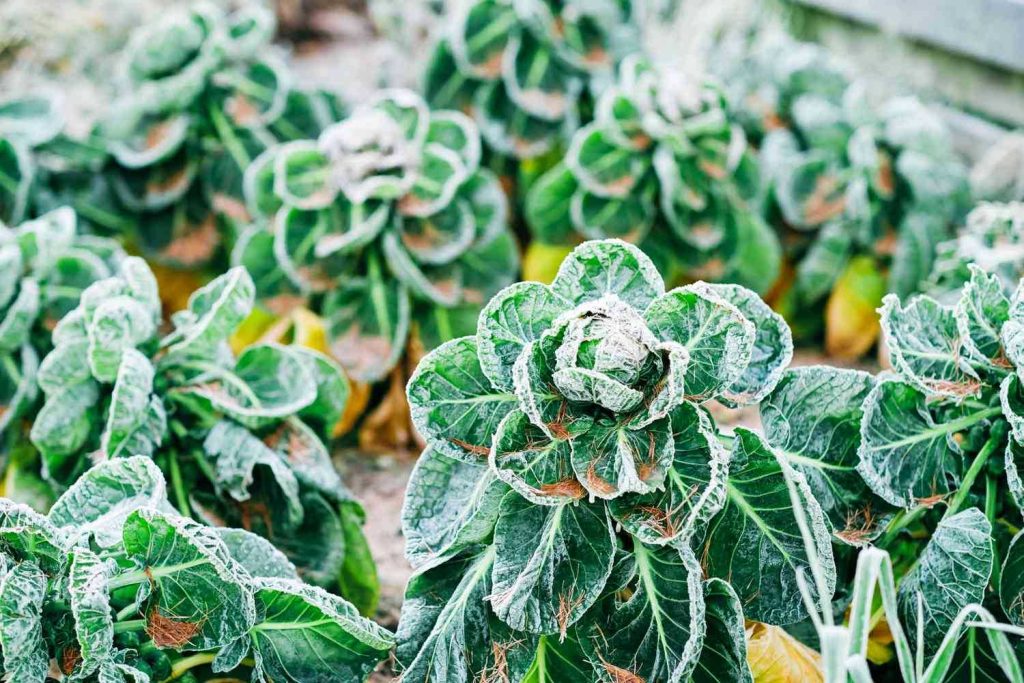
To winterize your vegetable garden effectively, start by removing any dead plants and debris to prevent pests and diseases. Next, add a layer of mulch to protect the soil and help retain moisture during the colder months. Consider planting cover crops to improve soil health and prevent erosion. If you have any perennials, ensure they are well-pruned and possibly insulated with straw or burlap to help them survive the frost. Lastly, do not forget to clean and store your gardening tools properly for the next planting season. With these steps, your garden will be well-prepared to endure the winter and thrive when spring arrives again.
As the seasons shift and temperatures drop, it’s time to think about how to safeguard your vegetable garden for the winter months. Winterization is crucial for protecting your plants from harsh weather while ensuring your soil remains healthy and viable for next year’s crops. Whether you’re a seasoned gardener or a beginner, understanding how to properly winterize your garden can make all the difference come spring. Embrace these essential steps to help your garden survive the cold and lay the foundation for a bountiful harvest in the new growing season. Let’s dive into the best practices for preparing your vegetable garden for winter and ensuring everything is in tip-top shape.

Winterization: How to Winterize Your Vegetable Garden
Preparing your vegetable garden for the winter months is key to ensuring its health and productivity for the upcoming growing season. Winterization involves several steps to protect plants from frost, snow, and cold temperatures. This guide provides a detailed look into how to effectively winterize your vegetable garden.
Understanding the Importance of Winterization
Winterization is essential for several reasons. First, it helps protect your soil from erosion caused by snow and ice. Second, it conserves moisture levels in the soil, preventing it from drying out completely. Lastly, proper winterization can help control pests and diseases that thrive in warmer months.
Assessing Your Garden Before Winter
Before taking action, evaluate your garden’s current state. Look for any vegetables that may still be producing and decide whether to harvest or leave them for later. Take note of any areas that need special attention.
- Check plant health and maturity.
- Identify vulnerable or sensitive plants.
- Make a list of necessary supplies for winterization.
Cleaning Up Your Garden
Clearing your garden before winter is crucial to prevent diseases. Remove any dead or infected plant material, as these can harbor pests over the winter months.
- Dispose of debris to minimize disease risk.
- Compost healthy plant material, if possible.
- Rake up leaves that could cover and smother plants.
Soil Preparation for Winter
Healthy soil is foundational for your garden. After clearing debris, take steps to improve soil quality.
- Test soil pH and nutrients.
- Consider adding organic matter, like compost.
- Mulch to help preserve moisture and prevent erosion.
Choosing the Right Mulch
Mulching your vegetable garden provides insulation and protection against cold temperatures. Selecting the right type of mulch can make all the difference.
- Bark mulch helps retain moisture.
- Straw provides excellent insulation.
- Grass clippings are beneficial for nitrogen content.
Covering Your Plants
Covering plants is another effective method to protect them from harsh winter conditions. This can be done using various materials.
- Row covers offer lightweight protection.
- Blankets can cover sensitive plants during cold snaps.
- Cold frames create a mini-greenhouse effect.
Implementing Row Covers
Row covers are a versatile solution for winter protection. They can trap heat and protect against frost.
- Choose lightweight, breathable fabrics.
- Secure them properly to avoid wind damage.
- Remove covers on sunny days to prevent overheating.
Planting Winter Crops
If you want to extend your gardening season, consider planting winter crops. Certain vegetables thrive in cooler temperatures.
- Garlic can be planted in fall for a summer harvest.
- Winter greens, like kale and spinach, can survive frosts.
- Turnips and radishes are also good options.
Protecting Your Garden Tools
Don’t forget to care for your gardening tools. Proper maintenance prevents rust and keeps tools in good condition.
- Clean tools thoroughly before storage.
- Oil metal parts to prevent rust.
- Store in a dry, sheltered location.
Planning for the Next Season
While preparing for winter, think ahead to your spring garden.
- Make a list of plans for crop rotation.
- Consider adding new varieties for the next growing season.
- Plan your garden layout to maximize space and sunlight.
Dealing with Pests Over Winter
Winterization also involves managing pests that may hibernate in your garden.
- Remove any garden debris that could harbor pests.
- Consider natural deterrents, such as diatomaceous earth.
- Regular checks can help spot any pest issues early.
Protecting Raised Beds
If you have raised garden beds, additional care is required. These beds can be more susceptible to cold.
- Cover them with burlap or old blankets.
- Consider using hoops for row covers for added protection.
- Insulate the sides with straw bales if possible.
Winter Watering Practices
Although many plants are dormant in winter, some may still require watering.
- Check moisture levels regularly, especially in warm spells.
- Water early in the day to allow for evaporation.
- Avoid overwatering, as this can lead to root rot.
Creating a Winter Garden Plan
Having a plan keeps your garden organized during the winter months.
- Document your winterization process for future reference.
- Keep a calendar for planting dates and winter tasks.
- Adjust your plan based on weather forecasts and conditions.
Winterizing your vegetable garden is a vital step in maintaining soil health and preparing for the next growing season. By assessing your garden, cleaning up, protecting plants, and planning ahead, you can ensure a flourishing garden when spring arrives. Taking the time to winterize will lead to successful gardening experiences year after year. Your efforts during the winter months will pay off when you harvest fresh vegetables in the warmer seasons ahead.
Winterizing Your Vegetable Garden – 6 Tips For 2023!
Frequently Asked Questions
“`html
What steps should I take before the first frost?
Before the first frost, it’s essential to clear your vegetable garden of any dead or decaying plants. This helps prevent diseases and pests from overwintering in your garden. Additionally, you should mulch around your plants to insulate the soil and protect the roots from freezing temperatures. Consider planting cover crops as well, which will enrich the soil and prevent erosion during the winter months.
How can I protect my garden tools during winter?
To protect your garden tools during winter, clean them thoroughly to remove dirt, sap, and rust. Once cleaned, apply a thin layer of oil to metal parts to prevent rust. Store your tools in a dry, sheltered location such as a garage or shed, ideally hanging them off the ground to prevent moisture accumulation. If you have wooden handles, consider applying linseed oil to keep the wood moisturized and prevent cracking.
Should I harvest all my vegetables before winter?
Harvesting all your vegetables before winter depends on the type of crops you have. Some vegetables, like carrots and parsnips, can survive light frosts and can be harvested later in the season. However, you should pick any remaining warm-season crops, such as tomatoes and peppers, before the temperatures drop significantly. If you cannot harvest everything, consider covering frost-sensitive plants with row covers to extend their growing season.
What is the importance of soil preparation for winterization?
Soil preparation is crucial for winterization because it enhances soil structure and fertility for the next growing season. Adding organic matter, such as compost or well-rotted manure, improves drainage and nutrient levels. Additionally, loosening the soil with tilling or forking prevents compaction and encourages beneficial microorganisms to thrive during the winter, ensuring that your soil is healthy and ready for planting in spring.
How can I keep my garden pests under control in winter?
To keep pest populations under control during winter, practice good sanitation by removing debris and plant material that can harbor pests. Consider using traps or organic deterrents to manage any lingering pests. You can also encourage beneficial insects by planting winter cover crops or maintaining habitats for them, which will help keep the pest population balanced and reduce issues for the next growing season.
“`
Final Thoughts
Winterizing your vegetable garden ensures a healthier and more productive growing season next year. Begin by removing dead plants, weeds, and debris that can harbor pests and diseases.
Next, apply a layer of mulch to protect the soil and retain moisture during winter months. Finally, consider adding compost or organic matter to enrich the soil before spring planting.
Following these steps for winterization will help you maintain your garden’s vitality. Implementing these techniques in “Winterization How To Winterize Your Vegetable Garden” sets you up for success when the growing season returns.