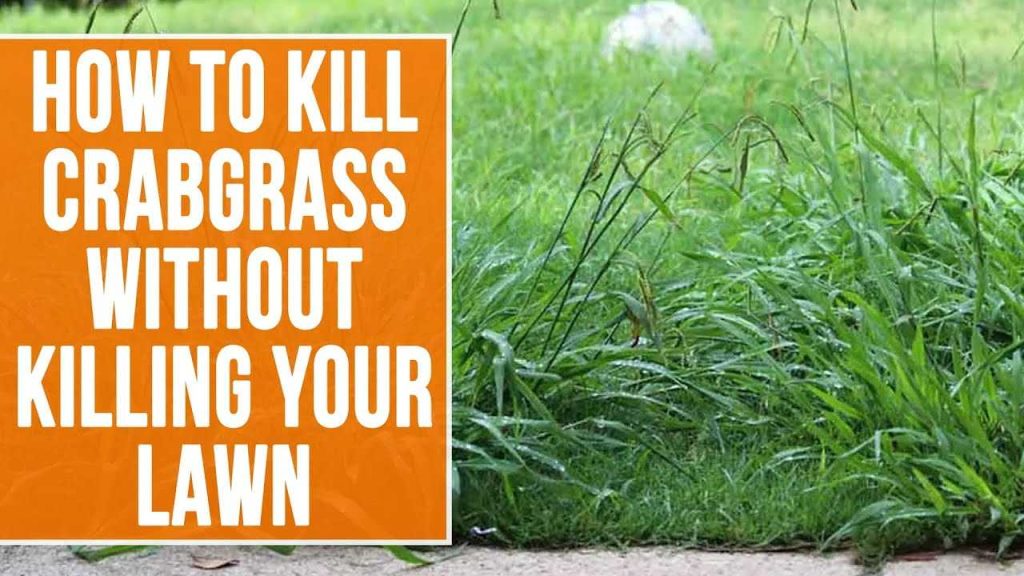
Will vinegar kill crabgrass? Yes, vinegar can be an effective natural solution for eliminating crabgrass from your lawn. It is a common ingredient found in most households and can be a cost-effective alternative to chemical herbicides. Crabgrass is a stubborn weed that can quickly take over your lawn if left untreated. Its aggressive nature and resilience make it difficult to control using traditional methods.
Vinegar works by lowering the pH level of the soil, making it inhospitable for crabgrass to grow. The acetic acid in vinegar acts as a natural herbicide, causing the weed to dry out and die. However, it’s important to note that vinegar can also harm your desirable plants if not used correctly.
In this article, we will explore how to use vinegar to effectively kill crabgrass, the precautions to take, and some additional tips to prevent its regrowth. So, if you’re interested in finding a natural and safe solution to get rid of crabgrass, keep reading!

Will Vinegar Kill Crabgrass?
Crabgrass can be stubborn and difficult to eliminate from your lawn or garden. It has a way of invading and taking over your carefully cultivated green spaces. While there are several methods available to control crabgrass, one natural and popular option is vinegar. But will vinegar really kill crabgrass? In this article, we will explore the effectiveness of vinegar as a crabgrass killer and provide you with all the information you need to know.
Understanding Crabgrass and Its Resilience
Before we delve into the potential of vinegar to kill crabgrass, let’s first understand what crabgrass is and why it can be so challenging to eliminate. Crabgrass is an annual weed that germinates and grows rapidly during the warm months. It is characterized by its sprawling growth habit, with stems that radiate from a central point and form a dense mat.
Crabgrass thrives in lawns and gardens with poor soil conditions, inadequate lawn maintenance, or areas that receive excessive sunlight. It has a remarkable ability to adapt, survive, and proliferate, making it a formidable foe for any gardener or homeowner.
The Science Behind Vinegar’s Weed-Killing Properties
Vinegar is a popular natural alternative to chemical herbicides when it comes to weed control. The active ingredient in vinegar, acetic acid, disrupts the plant’s cellular structure, leading to desiccation and death. While vinegar’s effectiveness varies depending on the concentration of acetic acid, it has shown promising results in eliminating various types of weeds.
It is important to note that vinegar’s weed-killing potential is limited to contact applications. This means that it only affects the parts of the plant it comes into direct contact with, such as the leaves and stems. When applied correctly, vinegar can damage and kill the exposed parts of the crabgrass plant.
Using Vinegar as a Crabgrass Killer
If you decide to use vinegar as a crabgrass killer, it is essential to apply it correctly to ensure maximum effectiveness. Follow these steps:
- Choose the right vinegar: The most effective vinegar for weed control is horticultural vinegar, which has a higher concentration of acetic acid compared to regular household vinegar. Look for vinegar with an acetic acid concentration of 10% or higher.
- Timing is crucial: Apply vinegar on a sunny day when there is no forecast of rain for at least 24 hours. This allows the vinegar to have ample time to work on the crabgrass without being diluted or washed away.
- Prepare the vinegar solution: Dilute the vinegar with water according to the manufacturer’s instructions. Typically, a 1:1 ratio of vinegar to water is recommended, but higher concentrations may be necessary for more stubborn crabgrass infestations.
- Apply the vinegar solution: Pour the vinegar solution into a spray bottle or a garden sprayer. Direct the nozzle towards the crabgrass, aiming for thorough coverage of the leaves and stems. Be careful not to spray the vinegar solution on desirable plants, as it can damage or kill them as well.
- Repeat if necessary: For well-established crabgrass patches, multiple applications may be needed. Monitor the treated areas closely and reapply vinegar as necessary.
It’s important to remember that vinegar is a non-selective herbicide, meaning it can harm or kill any plant it comes into contact with. Take extra care when applying vinegar near desirable plants to avoid accidental damage.
The Limitations of Vinegar as a Crabgrass Killer
While vinegar can be an effective and natural way to control crabgrass, it does have its limitations. Here are a few important points to consider:
- Vinegar is not a pre-emergent herbicide: Vinegar only kills existing crabgrass and does not prevent new seeds from germinating. To have long-term control over crabgrass, you will need to combine vinegar applications with other preventive measures, such as proper lawn care and the use of pre-emergent herbicides.
- Effectiveness on mature crabgrass: Vinegar may struggle to kill mature and well-established crabgrass plants with deep root systems. In such cases, mechanical removal or other herbicidal options may be necessary.
- Repeated applications required: In many cases, a single application of vinegar will not completely eliminate crabgrass. You may need to apply vinegar multiple times over several weeks or months to achieve satisfactory results.
Vinegar can indeed be an effective tool in your fight against crabgrass. Its natural properties make it an attractive alternative to chemical herbicides, especially for those concerned about the environment or the potential health risks associated with synthetic chemicals. By understanding the science behind vinegar’s weed-killing properties and following proper application techniques, you can harness its potential to control and eliminate crabgrass from your lawn or garden.
However, it is important to remember that vinegar is not a miracle cure and may not provide instantaneous results. Patience, persistence, and a comprehensive approach to crabgrass control will yield the best long-term outcomes. Combine vinegar applications with other preventive measures and regular lawn maintenance practices to keep crabgrass at bay and maintain a healthy and vibrant outdoor space.
Will vinegar kill crabgrass?
Frequently Asked Questions
Will vinegar effectively kill crabgrass?
Yes, vinegar can be an effective natural remedy for killing crabgrass.
How does vinegar kill crabgrass?
Vinegar contains acetic acid, which has herbicidal properties. When sprayed on crabgrass, the acetic acid breaks down the plant’s cell membranes, causing it to dry out and eventually die.
Is vinegar a safe option for killing crabgrass?
Vinegar is considered a safer alternative to chemical herbicides, but it should still be used with caution. While vinegar is non-toxic to humans and pets, it can also kill desirable plants if sprayed indiscriminately. It is best to apply vinegar directly to the crabgrass or use a targeted application method to minimize the risk to surrounding plants.
What type of vinegar should I use to kill crabgrass?
White vinegar with a high concentration of acetic acid, typically 5% or higher, is recommended for killing crabgrass effectively. Avoid using vinegar diluted with water or vinegar-based products that may contain additional ingredients.
When is the best time to apply vinegar to kill crabgrass?
It is most effective to apply vinegar on a warm and sunny day when the crabgrass is actively growing. The vinegar spray should be directly applied to the weed’s foliage, ensuring it comes into contact with the leaves for optimal absorption.
Can vinegar be used as a long-term solution to control crabgrass?
Vinegar is more suitable for spot treatment or controlling small infestations of crabgrass. It may not provide long-term control as it primarily kills the top growth of the plant, and crabgrass can regenerate from its roots. For larger areas or persistent crabgrass problems, a combination of vinegar and other weed control methods may be necessary.
Final Thoughts
In conclusion, vinegar can be an effective natural remedy for killing crabgrass. Its high acidity level can help to destroy the plant by drying it out. However, it is important to note that vinegar may also harm surrounding plants and grass if not applied carefully. Additionally, vinegar is not a long-term solution and may require repeated applications to fully eradicate the crabgrass. Therefore, while vinegar can be a useful tool in combating crabgrass, it should be used cautiously and combined with other methods for best results. So, will vinegar kill crabgrass? It can be a helpful part of your crabgrass control strategy, but additional steps may be necessary for complete elimination.