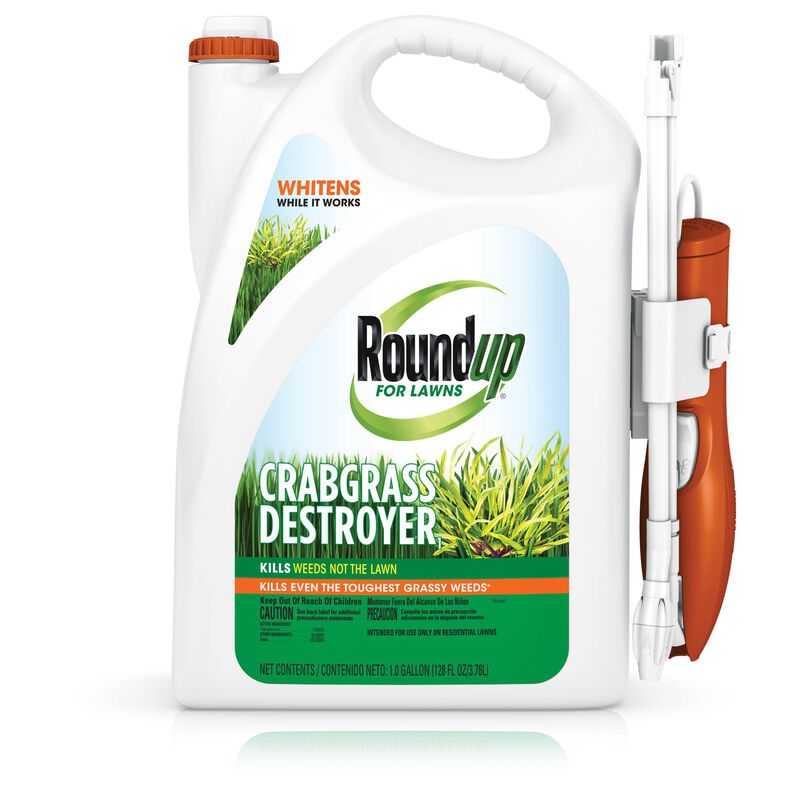
Quick Answer: Yes, Roundup can effectively kill crabgrass when used correctly.
Crabgrass is a common nuisance that plagues many lawns and gardens. Its ability to grow rapidly and spread its seeds makes it a formidable opponent for homeowners trying to maintain a lush, weed-free yard. One popular solution is Roundup, a widely-used herbicide known for its effectiveness in killing unwanted plants. But does Roundup really work on crabgrass?
The answer is yes, Roundup can be an effective tool in eliminating crabgrass. Roundup contains an active ingredient called glyphosate, which is a non-selective herbicide. This means it can kill any plant it comes into contact with, including crabgrass. However, it’s important to note that Roundup is a broad-spectrum herbicide, meaning it will also kill any other plants it touches, so it should be used with caution.
In this article, we will explore how Roundup works to kill crabgrass, the best methods for application, and some tips for preventing crabgrass from returning. So if you’re tired of battling this pesky weed, keep reading to learn if Roundup is the right solution for you.

Will Roundup Kill Crabgrass?
Crabgrass is the bane of every homeowner’s existence. Its invasive nature and rapid growth can quickly turn a lush, green lawn into a patchy, weed-infested mess. While there are various methods to eradicate crabgrass, one popular option is the use of herbicides, with Roundup being a commonly considered choice. However, before determining if Roundup is effective in killing crabgrass, it’s important to understand the characteristics of both the weed and the herbicide.
The Characteristics of Crabgrass
Crabgrass (scientifically known as Digitaria) is an annual grass weed that belongs to the Poaceae family. It thrives in warm-season climates and is notorious for invading lawns, gardens, and even cracks in pavement. Some distinguishing features of crabgrass include:
- Fast growth rate: Crabgrass can germinate and grow rapidly, often outpacing the growth of desired turf grasses.
- Low-growing and spreading nature: It forms dense mats that choke out surrounding plants and grasses.
- Extensive root system: Crabgrass has an extensive root system, making it difficult to remove manually.
- Seed production: A single crabgrass plant can produce thousands of seeds, ensuring its survival and future growth.
- Heat and drought tolerance: It thrives in hot and dry conditions, making it more resilient than many other grasses.
The Action of Roundup
Roundup is a widely known herbicide that contains the active ingredient glyphosate. Glyphosate is a non-selective systemic herbicide, meaning it kills most plants it comes into contact with. Its mode of action disrupts a specific enzyme essential for plant growth, ultimately leading to the death of the treated plant.
When applied to the leaves of a plant, Roundup is absorbed into the plant’s system and translocates throughout its tissues. From there, it inhibits the production of amino acids, which are vital for protein synthesis. This disruption effectively starves the plant, leading to its eventual demise.
Effectiveness of Roundup in Killing Crabgrass
While Roundup is effective against a broad range of weeds, including many grasses, its efficacy in killing crabgrass may vary. Crabgrass is known for its resilience and ability to withstand environmental stressors, making it more challenging to eradicate compared to other weeds.
When using Roundup to target crabgrass, it’s crucial to consider the timing and application method:
1. Timing
Timing is crucial when it comes to crabgrass control. Ideally, Roundup should be applied in the early stages of crabgrass growth, preferably when it is still small and actively growing. As the weed matures, it becomes more challenging to kill. Therefore, early intervention is key to achieving optimal results.
2. Application Method
For effective crabgrass control, a thorough and precise application of Roundup is essential. Here are a few guidelines to consider:
- Spot treatment: Rather than applying Roundup to the entire lawn, it is recommended to spot-treat the areas infested with crabgrass. This approach minimizes the risk of harming desirable grasses or plants.
- Foliage coverage: Ensure complete foliage coverage when applying Roundup. The herbicide needs to come into direct contact with the crabgrass leaves to be effectively absorbed into the plant.
- Reapplication: In some cases, a single application may not be sufficient to kill crabgrass entirely. It may be necessary to reapply Roundup to ensure complete eradication.
Alternatives to Roundup for Crabgrass Control
If you prefer not to use Roundup or want to explore alternative methods for crabgrass control, several options are available:
1. Manual Removal
While labor-intensive, manually removing crabgrass can be effective, especially for small patches. Ensure you remove the entire plant, including the root system, to prevent regrowth. This method is best suited for early-stage infestations.
2. Pre-Emergent Herbicides
Applying pre-emergent herbicides before crabgrass seeds germinate can help prevent their growth altogether. These herbicides create a barrier in the soil that inhibits seed germination, reducing or eliminating the need for post-emergent treatments like Roundup.
3. Improved Lawn Care Practices
Implementing proper lawn care practices can help prevent crabgrass from taking hold in the first place. Some recommended practices include:
- Maintaining proper mowing height: Keeping your lawn at the recommended height shades the soil, making it less favorable for crabgrass germination.
- Adequate watering: Providing your lawn with sufficient water helps maintain healthy turf, outcompeting crabgrass.
- Overseeding: Thickening your lawn through overseeding helps prevent crabgrass growth by reducing open spaces for weed establishment.
- Fertilization: Regularly fertilizing your lawn promotes dense, vigorous grass growth, limiting the space available for crabgrass to grow.
By combining these practices, you can create a healthier, more resilient lawn that is less susceptible to crabgrass invasion.
While Roundup can be effective in killing crabgrass, its success depends on various factors, including timing, application, and the resilience of the weed itself. Considering alternative methods and incorporating proper lawn care practices can help you achieve long-term weed control and maintain a beautiful, crabgrass-free lawn.
Roundup for Lawns w/ improvements for Killing Crabgrass
Frequently Asked Questions
Will Roundup kill crabgrass?
Yes, Roundup can effectively kill crabgrass when used correctly. However, it is important to follow the instructions provided by the manufacturer to ensure proper usage and desired results.
How does Roundup work against crabgrass?
Roundup contains a chemical called glyphosate, which is a non-selective herbicide. When sprayed on crabgrass, glyphosate is absorbed by the plant’s leaves and then travels down to the roots. This process disrupts the plant’s growth and eventually leads to its death.
Is Roundup safe to use on crabgrass?
Roundup is generally safe to use on crabgrass when applied according to the instructions. However, it is essential to avoid spraying Roundup on desirable plants as it can harm or kill them. Taking precautions by using targeted application techniques or using a shield can help protect surrounding vegetation.
Can Roundup kill crabgrass without harming other plants?
Roundup is a non-selective herbicide, meaning it can kill any plant it comes into contact with. To avoid harming other plants, it is best to use Roundup as a spot treatment. Carefully apply it only to the crabgrass and try to avoid contact with nearby vegetation.
How long does it take for Roundup to kill crabgrass?
The time it takes for Roundup to kill crabgrass can vary depending on factors such as the size of the crabgrass, weather conditions, and the strength of the herbicide. In most cases, you may start noticing wilting or browning of the crabgrass within a few days, but complete death may take up to two weeks.
Can Roundup prevent future crabgrass growth?
Roundup is a post-emergent herbicide, designed to kill existing crabgrass. While it may not prevent future crabgrass growth on its own, it can be used in combination with pre-emergent herbicides to tackle both existing and future crabgrass problems. Pre-emergent herbicides form a barrier on the soil surface to prevent crabgrass seeds from germinating.
Final Thoughts
Will Roundup kill crabgrass? The answer is yes. Roundup is an effective herbicide that can eliminate crabgrass from your lawn. Its active ingredient, glyphosate, targets the weeds directly, killing them down to the root. By using Roundup as directed, you can effectively control and eradicate crabgrass from your yard. Remember to follow safety precautions and instructions to ensure optimal results. Say goodbye to crabgrass and hello to a healthier, weed-free lawn with Roundup.