Quick Answer: Yes, crabgrass can die in winter, but it depends on several factors such as the severity of the winter, the type of grass, and the overall health of the lawn.
Winter brings relief from the scorching summer heat, but it also raises questions about how various plants, including crabgrass, will fare in the cold season. Crabgrass is a stubborn weed that thrives in warm weather, making it one of the most frustrating challenges for homeowners trying to maintain a beautiful, lush lawn. But fear not! In this article, we’ll explore the fate of crabgrass during winter and provide you with tips on how to prevent its growth in the first place. So, if you’re wondering whether crabgrass will die off when the mercury drops, keep reading to discover the answer and learn how to keep your lawn weed-free throughout the year.

Will Crabgrass Die in Winter?
Crabgrass is a common and persistent weed that can wreak havoc on our lawns and gardens. It seems to appear out of nowhere, quickly invading our carefully manicured turf. But what happens to crabgrass during wintertime? Will the cold temperatures and frost finally put an end to this pesky plant? In this article, we will delve into the topic of whether crabgrass dies in winter and explore the various factors that influence its survival.
The Life Cycle of Crabgrass
To understand how crabgrass behaves in winter, it’s essential to have a grasp on its life cycle. Crabgrass is an annual weed, meaning it completes its life cycle in one year. It reproduces through seed production, and these seeds lie dormant in the soil until the ideal conditions for germination occur.
Germination and Growth
Crabgrass seeds typically germinate when soil temperatures reach around 55 to 60 degrees Fahrenheit (12 to 15 degrees Celsius). As the weather warms up in spring, the seeds begin to sprout, and the young plants quickly establish themselves. By summer, crabgrass is in full swing, spreading its wide, flat leaves and producing more seeds.
Winter Dormancy
Like many other annual plants, crabgrass is not well-equipped to withstand the harsh conditions of winter. As temperatures start to drop in autumn, crabgrass begins to go dormant. This means that the plant’s biological activity slows down significantly, conserving energy to survive through the cold months.
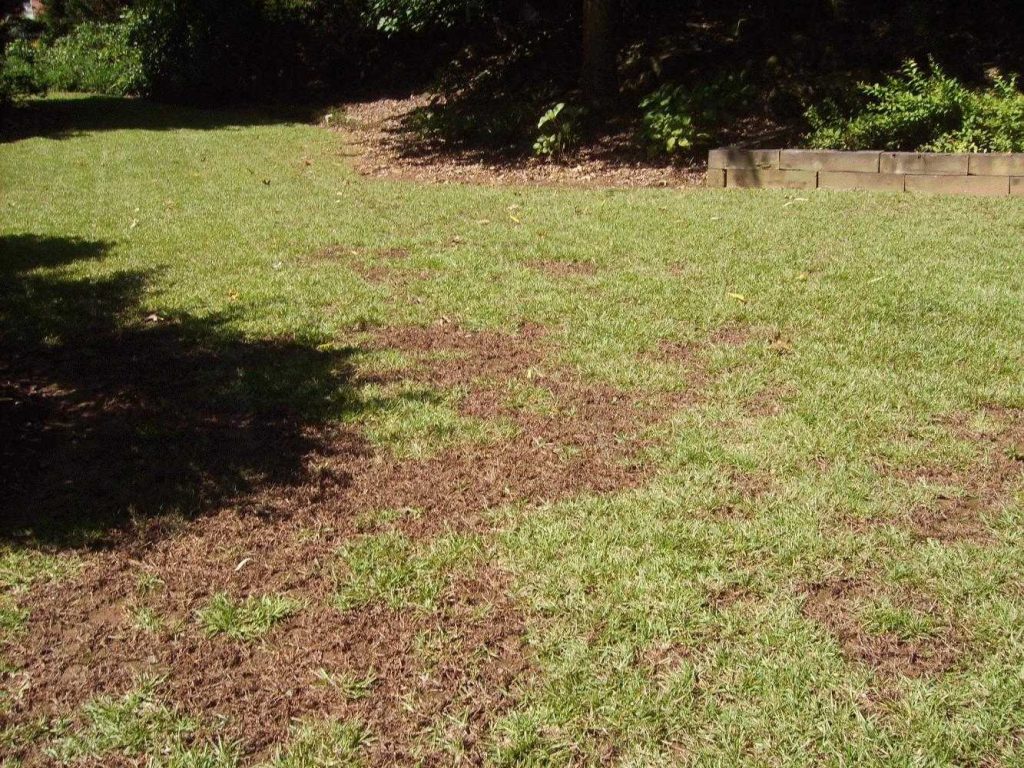
During this dormancy period, the foliage of crabgrass turns brown, and growth halts. However, the plant’s seeds remain viable and will remain in the soil, waiting for the right conditions to germinate and start a new generation in the following spring.
Influence of Geographic Location
The behavior of crabgrass during winter can vary depending on where you live. The severity of winters, as well as the length of the growing season, greatly impact the survival of crabgrass.
Mild-Winter Regions
In areas with mild winters and longer growing seasons, crabgrass may continue to grow and flourish throughout the year. This is especially true in places where the ground does not freeze and temperatures rarely dip below freezing point for an extended period.
In such regions, where temperatures remain consistently above the germination threshold of crabgrass seeds, the weed can persist and continue to spread year-round. This presents a perpetual challenge for maintaining a weed-free lawn.
Cold-Winter Regions
In regions with cold winters and shorter growing seasons, the fate of crabgrass is quite different. As temperatures drop and frost sets in, crabgrass goes into full dormancy. The cold weather inhibits its growth, and the plant withers away, leaving behind only dormant seeds in the soil.
However, it’s important to note that some seeds can survive even in freezing temperatures, ready to germinate when the conditions become favorable again. Thus, while the visible plants die off, the potential for a crabgrass resurgence remains once spring arrives.
Preventing Crabgrass in Winter
While crabgrass may die back during winter, taking preventive measures can greatly reduce its reoccurrence in the following year. Here are some effective strategies to keep this annoying weed at bay:
1. Fall Pre-Emergent Herbicides
Applying pre-emergent herbicides in late summer or early fall can be an effective way to prevent crabgrass seeds from germinating and taking hold in your lawn. These herbicides create a barrier in the soil that hinders seed germination, effectively reducing the number of viable crabgrass seedlings in the spring.
2. Mowing at the Correct Height
Maintaining proper lawn care practices throughout the year can also help control crabgrass. Mowing your lawn at the correct height, usually around 2.5 to 3 inches (6 to 8 centimeters), encourages healthy grass growth and shade that can suppress the growth of crabgrass.
3. Adequate Watering and Fertilization
Watering your lawn deeply and infrequently promotes the growth of a strong, healthy turf that can outcompete crabgrass. Additionally, providing your lawn with the proper nutrients through regular fertilization can help improve its overall health and resilience against weed invasion.
4. Overseeding
Overseeding your lawn with desirable grass species can help fill in bare patches and prevent crabgrass from establishing a foothold. A thick, dense lawn provides less space for weeds to germinate and thrive.
While crabgrass may die back during winter, its seeds can survive and contribute to future infestations. Understanding the life cycle and behavior of crabgrass is crucial to implementing effective strategies for long-term control.
By adopting preventive measures such as fall pre-emergent herbicide applications, proper lawn care practices, and overseeding with desired grass species, you can minimize the presence of crabgrass and enjoy a healthier, weed-free lawn year-round. So, stay proactive, and don’t let crabgrass take over your beautiful green landscape.
Get Rid of Crabgrass in the Lawn
Frequently Asked Questions
Will crabgrass die in winter?
Crabgrass is an annual weed that is known for its ability to thrive in warm temperatures. While it may slow down during the winter months, it does not necessarily die off completely. Here are some frequently asked questions regarding crabgrass survival during winter:
Does crabgrass survive freezing temperatures?
Crabgrass does not typically survive freezing temperatures. Once the temperature drops below freezing, crabgrass plants become dormant and will eventually die off. However, it’s important to note that some crabgrass seeds may remain in the soil and germinate when conditions become favorable again.
Can crabgrass survive in mild winters?
Crabgrass can survive in mild winters if the temperatures do not consistently drop below freezing. In areas where winter temperatures remain above freezing for extended periods, crabgrass may continue to grow and spread. Proper lawn maintenance and prevention techniques are crucial to minimizing its growth.
Does snow affect crabgrass growth?
Snow cover can provide some insulation for crabgrass, protecting it from extreme cold temperatures. However, snow alone is not enough to ensure crabgrass survival. Factors such as freeze-thaw cycles and the overall duration of cold weather play a significant role in determining whether crabgrass will survive or die during winter.
Should I be concerned about crabgrass in winter?
While crabgrass is less active during the winter months, it is still beneficial to take preventative measures. It’s recommended to use pre-emergent herbicides in the early spring to prevent crabgrass seeds from germinating. Additionally, proper lawn care practices, such as regular mowing and adequate watering, can help create conditions that discourage crabgrass growth.
When is the best time to control crabgrass?
The best time to control crabgrass is in the early spring before the seeds start to germinate. Applying pre-emergent herbicides during this period can effectively prevent crabgrass from establishing itself in your lawn. It’s important to follow the instructions provided by the product and consult with a lawn care professional if necessary.
Final Thoughts
Crabgrass is an invasive weed that flourishes during warmer months, but what happens to it in winter? Contrary to popular belief, crabgrass does not die off completely in winter. Although it may appear dormant, the weed’s seeds can remain viable throughout the colder months. It is important to take precautions to prevent crabgrass from spreading and establishing itself during this time. Applying a pre-emergent herbicide before winter sets in can be effective in controlling its growth. Regular maintenance and proper lawn care practices are crucial to combatting crabgrass all year round. So, will crabgrass die in winter? Not entirely, but proactive measures can significantly reduce its impact.