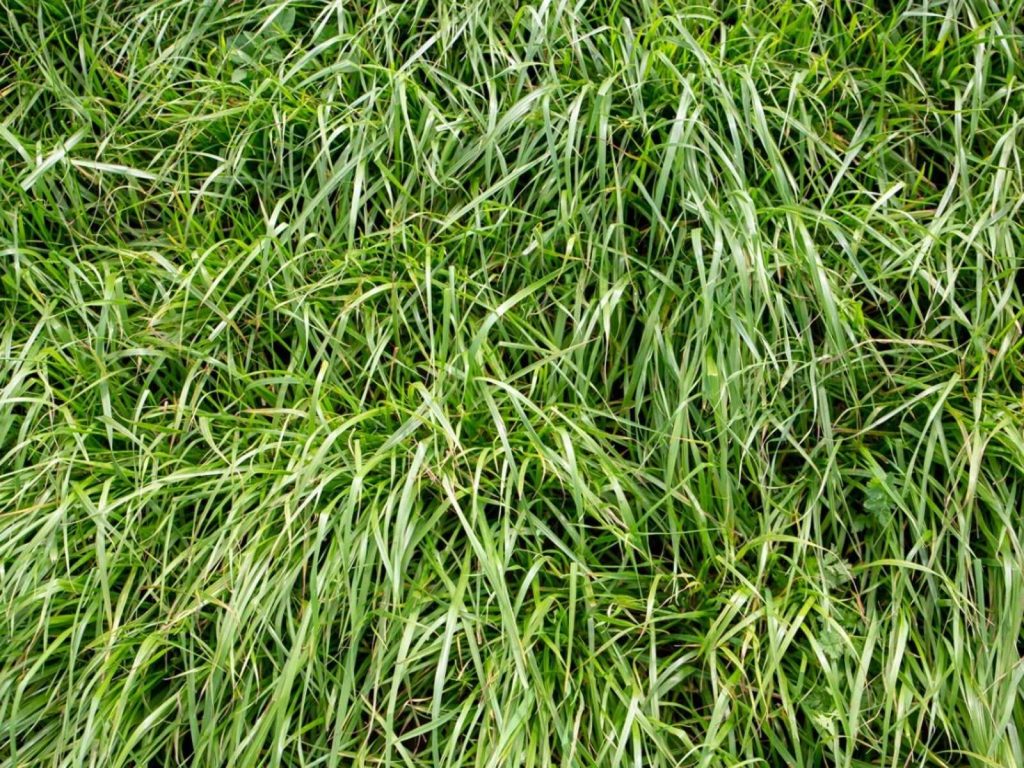
Yes, annual ryegrass can grow in the summer under the right conditions. It’s a versatile grass that can adapt to warm temperatures, but its growth largely depends on factors like soil moisture and temperature.
Annual ryegrass generally prefers cooler weather, making summer growth challenging in hotter climates. However, with adequate irrigation and some shade, it may survive and even thrive during summer months.
Looking to grow annual ryegrass in summer? While it’s more commonly planted in cooler seasons, you can still achieve some growth during summer if you keep the soil moist and provide some shade. Understanding its growth preferences can help you decide whether it’s a viable option for your summer pasture or garden.

Will Annual Ryegrass Grow in the Summer?
Understanding Annual Ryegrass and Its Growth Patterns
Annual ryegrass is a quick-growing grass often used for pasture, lawns, and erosion control. It is called **annual** because it completes its life cycle within one year, germinating, growing, and then dying off. Its growth behavior is influenced heavily by temperature, sunlight, and moisture levels.
In most regions, annual ryegrass thrives in cooler weather, but many wonder if it can grow during the hot summer months. The answer depends on several factors, including the climate and specific growing conditions.
Can Annual Ryegrass Grow During Summer? An Overview
Generally, **annual ryegrass prefers cooler weather** and tends to slow down or stop growing when temperatures rise above 75°F (24°C).
However, in regions with milder or cooler summers, annual ryegrass can often grow successfully during the warmer months. In hotter climates, it may struggle, and its growth could be limited or temporary.
Factors Affecting Summer Growth of Annual Ryegrass
Several environmental factors influence whether annual ryegrass can grow in summer:
Temperature
– Optimal growth occurs between 50°F (10°C) and 70°F (21°C).
– When temperatures climb above 75°F (24°C), growth rates decline significantly.
– In regions with high summer temperatures, ryegrass often enters dormancy or slows growth considerably.
Sunlight
– Ryegrass needs adequate sunlight, about 6 to 8 hours daily, for optimal growth.
– Longer daylight hours can partially offset heat stress, but high temperatures still limit growth.
Moisture and Water Availability
– Consistent moisture is essential for ryegrass to grow successfully.
– During summer, drought conditions or insufficient watering can inhibit growth.
– Irrigation can help maintain growth if other conditions are favorable.
Soil Conditions
– Well-drained, fertile soils support better growth.
– Heavy, compacted soils may restrict root development, especially during dry or hot weather.
Growing Ryegrass in Summer: Tips and Recommendations
Although summer growth is limited, some tips can help promote growth during warmer months:
Select Suitable Varieties
– Choose heat-tolerant annual ryegrass cultivars designed for warmer climates.
– These varieties have better resilience and can grow longer during higher temperatures.
Adjust Planting Times
– Plant earlier in the season to allow ryegrass to establish before peak summer heat.
– Alternatively, consider late summer planting aiming for fall growth.
Implement Proper Watering Techniques
– Maintain consistent soil moisture through regular watering.
– Use mulching to conserve moisture and reduce soil temperature.
Utilize Shade and Cover
– Provide partial shade during the hottest parts of the day.
– Use shade cloths or strategic planting to reduce heat stress.
Limitations of Growing Annual Ryegrass in Summer
Despite these strategies, there are inherent limitations:
- High temperatures can **cause seed dormancy** rather than germination.
- Growth rate significantly declines when temperatures surpass the optimal range.
- Summer heat can lead to **stress and disease susceptibility** in ryegrass.
- In very hot climates, ryegrass may **die back or fail to establish.**
Comparing Annual Ryegrass Growth in Different Climates
| Climate Zone | Typical summer temperatures | Ryegrass growth potential | Notes |
|—————-|——————————|—————————|——-|
| Temperate | 60°F to 75°F (15°C to 24°C) | Good | Ideal for summer growth |
| Mediterranean | 70°F to 85°F (21°C to 29°C) | Moderate to poor | Use heat-tolerant varieties |
| Tropical | 80°F to 95°F (27°C to 35°C) | Limited | Generally not suitable |
| Arid | Varies, often above 90°F | Usually poor | Requires extensive irrigation |
Alternative Options for Summer Green Cover
If annual ryegrass struggles in summer, consider other plants that are more heat-tolerant:
- Warm-season grasses like Bermuda grass or Zoysia.
- Annuals such as millet or sorghum, which grow well in heat.
- Perennial grasses suited for arid or hot climates.
In Summary
While **annual ryegrass can grow in summer under certain conditions**, its growth is generally limited to cooler parts of the season or milder climates. Proper variety selection, planting timing, and moisture management can extend its growth window.
In areas with **hot summers**, ryegrass often enters dormancy or growth slows significantly, making it less reliable as a summer crop. For consistent summer cover or forage, it is best to consider heat-tolerant alternatives or adapt management practices accordingly.
Understanding these factors helps growers make informed decisions about planting and maintaining annual ryegrass during summer months. By adjusting practices and choosing the right cultivars, you can optimize growth and health of your lawn or pasture even in warmer weather.
Perennial Ryegrass Pros and Cons
Frequently Asked Questions
Does annual ryegrass thrive during hot summer months?
Annual ryegrass generally prefers cooler temperatures and tends to struggle in the peak heat of summer. While it can survive early summer if established well, prolonged high temperatures may cause it to go dormant or die back. Proper watering and shading can help it survive short hot periods, but active growth during intense summer heat is limited.
What soil conditions are best for annual ryegrass to grow in summer?
For annual ryegrass to grow in summer, it requires well-drained, moist soil rich in nutrients. Maintaining consistent moisture levels is crucial during warmer months, as dry or compacted soils hinder growth. Slightly acidic to neutral pH levels also promote healthy development, especially when temperatures are high.
Can irrigating help annual ryegrass grow throughout the summer?
Yes, regular and adequate irrigation helps annual ryegrass survive the heat and remain green during summer. Keeping the soil consistently moist reduces stress on the plants, enabling them to maintain growth and vitality. However, overwatering should be avoided, as it can lead to root diseases and other issues.
Are there any specific times during summer when annual ryegrass is more likely to grow?
Annual ryegrass is more likely to grow during the cooler parts of summer, such as early morning or late evening when temperatures are lower. Growth slows down significantly during the hottest parts of the day. Planting early in the season or choosing cool spells can improve establishment and growth prospects.
What challenges might prevent annual ryegrass from growing in summer?
High temperatures, drought conditions, and intense sunlight pose significant challenges to annual ryegrass during summer. These factors can cause dehydration, stress, and dormancy. Additionally, poor soil conditions and lack of adequate water supply further hinder its ability to establish and grow successfully in hot weather.
Final Thoughts
Annual ryegrass generally thrives in cooler months and prefers planting in fall or early spring. During summer, high temperatures and dry conditions tend to hinder its growth. Farmers often avoid sowing it in summer, focusing instead on seasons with better moisture levels.
In conclusion, will annual ryegrass grow in the summer? It is unlikely to flourish under intense heat and drought conditions typical of summer months. Plant it during the appropriate season for optimal growth and yield.