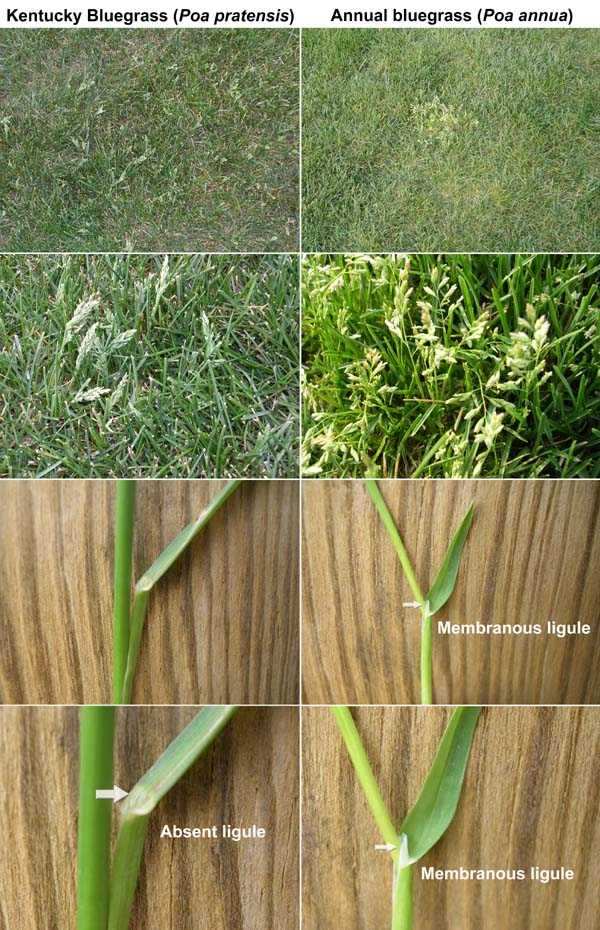
Kentucky bluegrass is the perfect choice for a lush, green lawn that stays vibrant through the seasons. Its exceptional durability and beautiful appearance make it a favorite among homeowners and landscapers alike. If you’re wondering why Kentucky bluegrass stands out, the answer lies in its ability to create a dense, resilient turf that recovers quickly from damage and thrives in various climates. This grass type also provides a soft, inviting surface ideal for outdoor activities. Its deep green color and fine texture add a touch of elegance to any yard, making it a top pick for creating a picture-perfect lawn. Whether you want a sports field or a relaxing backyard space, Kentucky bluegrass offers a balance of beauty and practicality that’s hard to beat.
Kentucky bluegrass is favored because of its lush appearance, excellent resilience, and ability to recover quickly from wear. It performs well in various soil types and climates, making it versatile and low-maintenance for many homeowners. Plus, its natural resistance to diseases ensures a healthier, more vibrant lawn year-round.

Why Kentucky Bluegrass Is the Best Choice for Your Lawn
Introduction to Kentucky Bluegrass
Kentucky Bluegrass is a popular turfgrass known for its lush, green appearance and durability. Its roots run deep, making it a reliable choice for lawns and sports fields alike. Homeowners and landscapers prefer Kentucky Bluegrass because it provides a soft, comfortable surface that handles foot traffic well.
What Makes Kentucky Bluegrass Stand Out?
This grass type is famous for its vibrant color and fine texture. It creates an appealing, dense lawn that naturally fights weeds. Kentucky Bluegrass also has excellent heat and cold tolerance, allowing it to thrive across different seasons and climates.
Key Characteristics of Kentucky Bluegrass
- Color and Texture: Bright green with a soft, fine blade.
- Growth Habit: Spreads through rhizomes to form a thick mat.
- Root System: Deep roots help withstand drought and high traffic.
- Resilience: Good resistance to disease and pests.
Why Choose Kentucky Bluegrass for Your Lawn?
Choosing Kentucky Bluegrass makes sense because it offers a combination of beauty and practicality. Its ability to recover quickly from damage keeps lawns looking healthy and full. Plus, its adaptability means it can be maintained with less effort compared to other grass types.
Optimal Growing Conditions for Kentucky Bluegrass
Sunlight Requirements
Kentucky Bluegrass thrives best in areas with full sunlight, receiving at least six hours of direct sun daily. It can tolerate some shade but may not grow as vigorously.
Soil Preferences
This grass prefers well-draining, fertile soils with a pH level between 6.0 and 7.0. Enriching the soil with organic matter improves establishment and growth.
Watering Needs
Kentucky Bluegrass needs regular watering to establish and maintain a healthy lawn. Once mature, it requires about one to one and a half inches of water per week, either from rainfall or irrigation.
Seeding and Establishment Techniques
Proper seeding methods ensure quick and even growth. Using high-quality seed and preparing the soil beforehand helps achieve a dense, lush lawn. Keep the soil consistently moist during the initial weeks to promote strong root development.
Choosing the Right Seed Mix
Select a high-quality Kentucky Bluegrass seed mix suited for your climate and soil conditions. Mixing with other cool-season grasses can enhance resilience and appearance.
Seeding Timing
The best time to seed is early fall or spring when temperatures are moderate. This timing allows the grass to establish before extreme weather conditions.
Care and Maintenance of Kentucky Bluegrass Lawns
Regular maintenance keeps Kentucky Bluegrass looking its best. Proper mowing, fertilizing, and weed control prevent issues and promote a healthy, dense lawn.
Mowing Tips
Mow at a height of two to three inches to encourage deep roots and prevent disease. Avoid cutting more than one-third of the blade length at a time.
Fertilization Schedule
Feed your lawn with a balanced fertilizer in early spring and fall. Applying nitrogen helps maintain its lush green color and density.
Watering Practices
Deep, infrequent watering promotes strong roots. Water early in the morning to reduce evaporation and fungal problems.
Managing Pests and Diseases in Kentucky Bluegrass
While resilient, Kentucky Bluegrass can face pests and diseases if not maintained properly. Regular monitoring and timely treatments help keep the lawn healthy.
Common Pests
Chinch bugs and sod webworms are typical pests that damage Kentucky Bluegrass. Applying appropriate insecticides and encouraging natural predators can control infestations.
Common Diseases
Fungal diseases like dollar spot, leaf spot, and rust can affect bluegrass. Good air circulation, proper watering, and removing debris help prevent these issues.
Benefits of Kentucky Bluegrass Over Other Turfgrasses
Compared to fescues or ryegrass, Kentucky Bluegrass provides a more uniform appearance and better recovery from damage. It also offers superior wear tolerance, making it ideal for high-traffic areas.
Environmental Benefits
This grass variety supports environmental health by reducing soil erosion and improving air quality. Its deep roots help retain soil moisture and promote healthy soil structure.
Cost Considerations
While Kentucky Bluegrass may be more expensive initially, its durability and low maintenance requirements can save money over time. Its ability to recover quickly from damages also reduces repair costs.
Related Topics
- Best Lawn Fertilizers for Kentucky Bluegrass
- Watering Tips for a Healthy Bluegrass Lawn
- Soil Preparation for Kentucky Bluegrass
- Preventing Common Kentucky Bluegrass Problems
- Alternatives to Kentucky Bluegrass
Choosing Kentucky Bluegrass offers a beautiful, resilient lawn that can withstand different weather conditions. Its lush appearance and ability to recover from wear make it a top choice for homeowners and landscapers alike. Proper care and maintenance ensure your Kentucky Bluegrass lawn stays healthy, green, and inviting for years to come.
Kentucky Bluegrass Pros and Cons
Frequently Asked Questions
What makes Kentucky bluegrass suitable for lawns in temperate regions?
Kentucky bluegrass thrives in temperate climates due to its ability to tolerate cooler temperatures and its adaptability to a variety of soil types. It provides a lush, dense cover that maintains its appearance throughout the growing season, making it an ideal choice for regions with moderate seasonal changes. Its deep root system also helps it withstand drought conditions better than some other grass types, ensuring a resilient lawn.
How does Kentucky bluegrass contribute to a healthy and dense lawn?
Kentucky bluegrass spreads through rhizomes, which fill in gaps and create a tightly woven turf. This growth habit promotes a thick, uniform lawn that crowds out weeds and reduces bare spots. Its ability to recover quickly from foot traffic or damage ensures that the lawn remains vibrant and inviting over time.
Why is Kentucky bluegrass considered environmentally friendly for residential landscaping?
Compared to some other grass varieties, Kentucky bluegrass requires less frequent watering once established, reducing water consumption. It also naturally resists pests and diseases, decreasing the need for chemical treatments. Its capacity to grow densely helps prevent soil erosion and promotes healthier soil conditions by minimizing runoff.
Final Thoughts
Kentucky bluegrass offers an attractive, lush green lawn that enhances any landscape. It thrives in moderate climates and requires minimal maintenance once established. Its fine texture creates a soft, inviting surface suitable for family activities.
This grass type is drought-tolerant and recovers quickly from damage, making it a practical choice for homeowners. Proper watering and mowing practices keep it healthy and vibrant throughout the seasons.
In conclusion, why Kentucky bluegrass remains a popular choice is clear: its beauty, resilience, and low-maintenance needs make it ideal for a stunning lawn.